Japan nuclear fleet hits strongest output since post-Fukushima overhaul
Japan’s reactors posted a 33.6% capacity factor and 97.2 TWh in fiscal 2025, their best showing since FY2015, helped by a fresh Kashiwazaki-Kariwa restart.

Japan’s nuclear fleet just delivered its strongest output since the post-Fukushima rulebook took hold, and the scorecard points to more than a symbolic comeback. Average capacity factor for fiscal 2025 climbed to 33.6 percent, while total generation reached 97.2 terawatt-hours, the best levels seen since fiscal 2015.
The headline number still sits well below the global norm, where nuclear plants typically run at 75 to 85 percent capacity. But in Japan, where only 15 of 33 reactor units are in commercial operation and 18 remain suspended pending restart approvals, the direction matters as much as the level. The operating fleet now totals about 14.6 gigawatts, enough to show that Japan is no longer relying on one-off restarts alone.
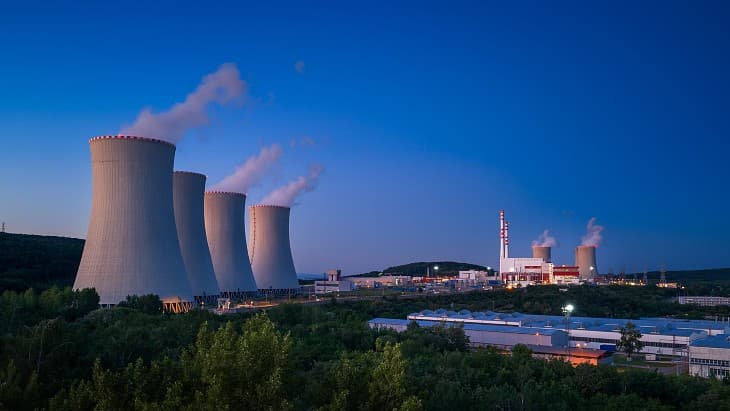
The clearest marker of that shift was Kashiwazaki-Kariwa Unit 6. Tokyo Electric Power Company Holdings said the unit resumed commercial operation at 4:00 p.m. on April 16, 2026, after receiving pre-operational confirmation from the Nuclear Regulation Authority and passing inspection. It had already restarted power transmission in February. The unit is the first advanced boiling water reactor to clear Japan’s new standards and the first TEPCO reactor to return to commercial operation since the Fukushima Daiichi accident in 2011.
That matters for the rest of the queue. Japan’s restart story is increasingly about whether reactors can move through NRA checks, hold to outage schedules, and stay on line long enough to lift the fleet’s average utilization. The Kashiwazaki-Kariwa return shows the process is still working, but it also highlights how much upside remains if more of the suspended units can clear the same hurdles.
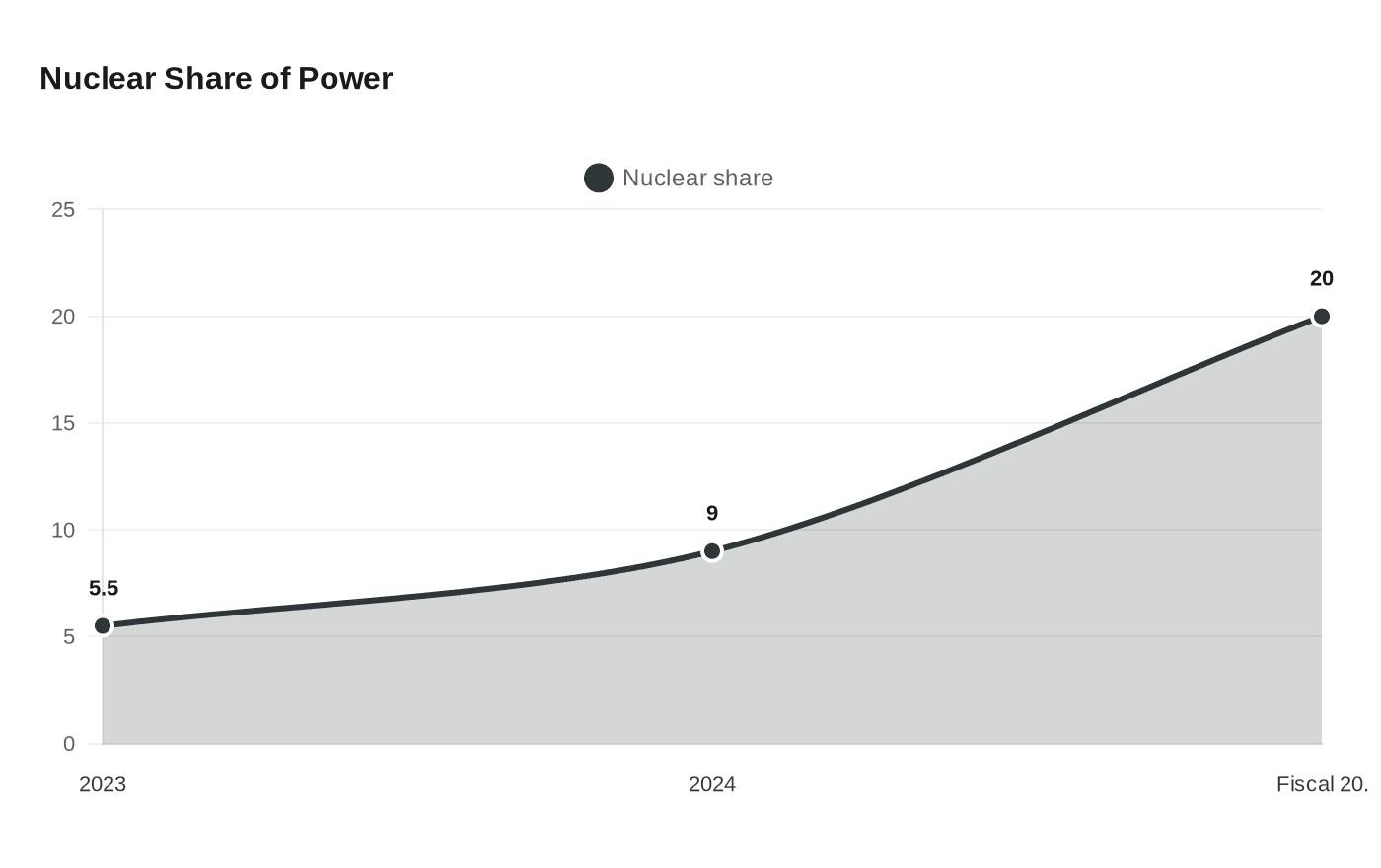
The policy backdrop is shifting in the same direction. Japan’s 7th Strategic Energy Plan, approved in February 2025, keeps Fukushima at the center of energy policy, but it also abandons the old language of reducing nuclear dependence and calls for maximum use of nuclear power. The plan targets about 20 percent of electricity from nuclear by fiscal 2040, up from 5.5 percent in 2023 and roughly 9 percent in 2024.
The age profile of the fleet adds another layer. Takahama-2 reached 50 years of operation on November 14, 2025, becoming only the second Japanese reactor to pass that mark, while Sendai-2 moved beyond 40 years in November 2025. Six restarted reactors are now operating beyond 40 years, which makes availability and outage discipline even more important if Japan wants the gains to stick.
For now, the restart scorecard is clear: Japan is still far from a stable nuclear operating base, but the combination of a stronger fiscal 2025 output, a fresh Kashiwazaki-Kariwa return, and a policy push toward maximum use shows the fleet is finally building momentum instead of just collecting headline restarts.
This article was produced by Prism’s automated news system from verified source data, official records, and press releases, then run through automated quality and moderation checks before publishing. The system is built and supervised by the people who set the standards it runs under. Read our full AI policy.
Did this article answer your question?