Kentucky Approves $98.9M Incentive Package for $1.76B Laser Enrichment Facility
Kentucky approved a $98.9M incentive package for GLE's $1.76B SILEX laser enrichment plant in Paducah, which would re-enrich DOE depleted uranium tails into commercial reactor fuel.
_18080.jpg&w=1920&q=75)
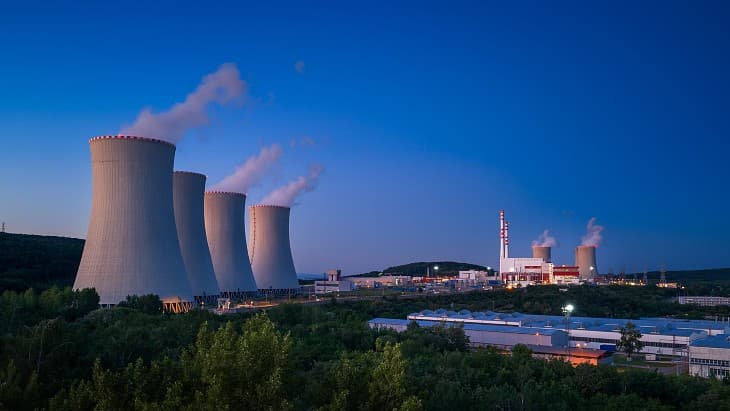
Kentucky preliminarily approved a $98.9 million incentive package for Global Laser Enrichment's $1.76 billion Paducah Laser Enrichment Facility, positioning the state as the potential home of the country's first commercial-scale SILEX uranium enrichment plant, a technology that operates fundamentally differently from the gaseous centrifuge method that dominates the global enrichment market today.
Gov. Andy Beshear called the project "the largest capital investment in Western Kentucky's history" when the state and McCracken County released their preliminary approvals on March 26-27. The facility, to be constructed on a 665-acre site in McCracken County, is projected to create approximately 240 high-wage jobs once operational. The Kentucky Business Investment program's incentive agreement benchmarks that workforce against an average hourly wage of $62 with benefits.
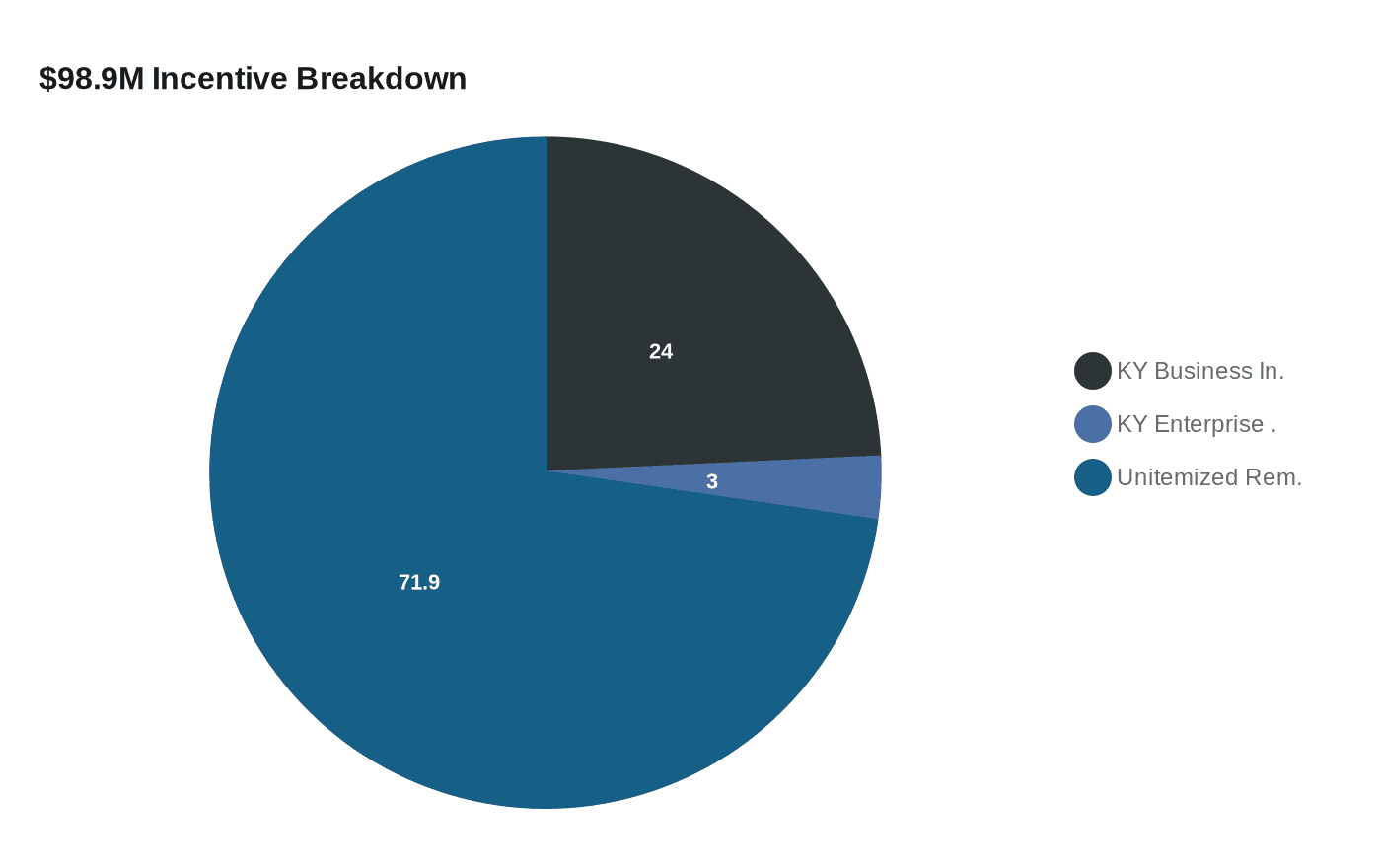
The $98.9 million package is performance-based: GLE must hit defined investment and job-creation thresholds before collecting. Two confirmed components account for $27 million of the total. The Kentucky Economic Development Finance Authority preliminarily approved a 15-year agreement providing up to $24 million through the Kentucky Business Investment program, while GLE was also approved for up to $3 million via the Kentucky Enterprise Initiative Act, which allows recovery of certain sales and use taxes on construction materials and equipment. The public breakdown of the remaining $71.9 million has not been itemized in available state documents.
GLE CEO Stephen Long framed the approval in supply-chain terms. "The incentive package reflects a shared vision for economic development, technological leadership, and the establishment of a resilient domestic nuclear fuel supply chain," Long said. He added: "Paducah was once the hub of the U.S. nuclear fuel cycle, and GLE is proud to reassert Kentucky's leadership with the world's most advanced uranium enrichment technology."
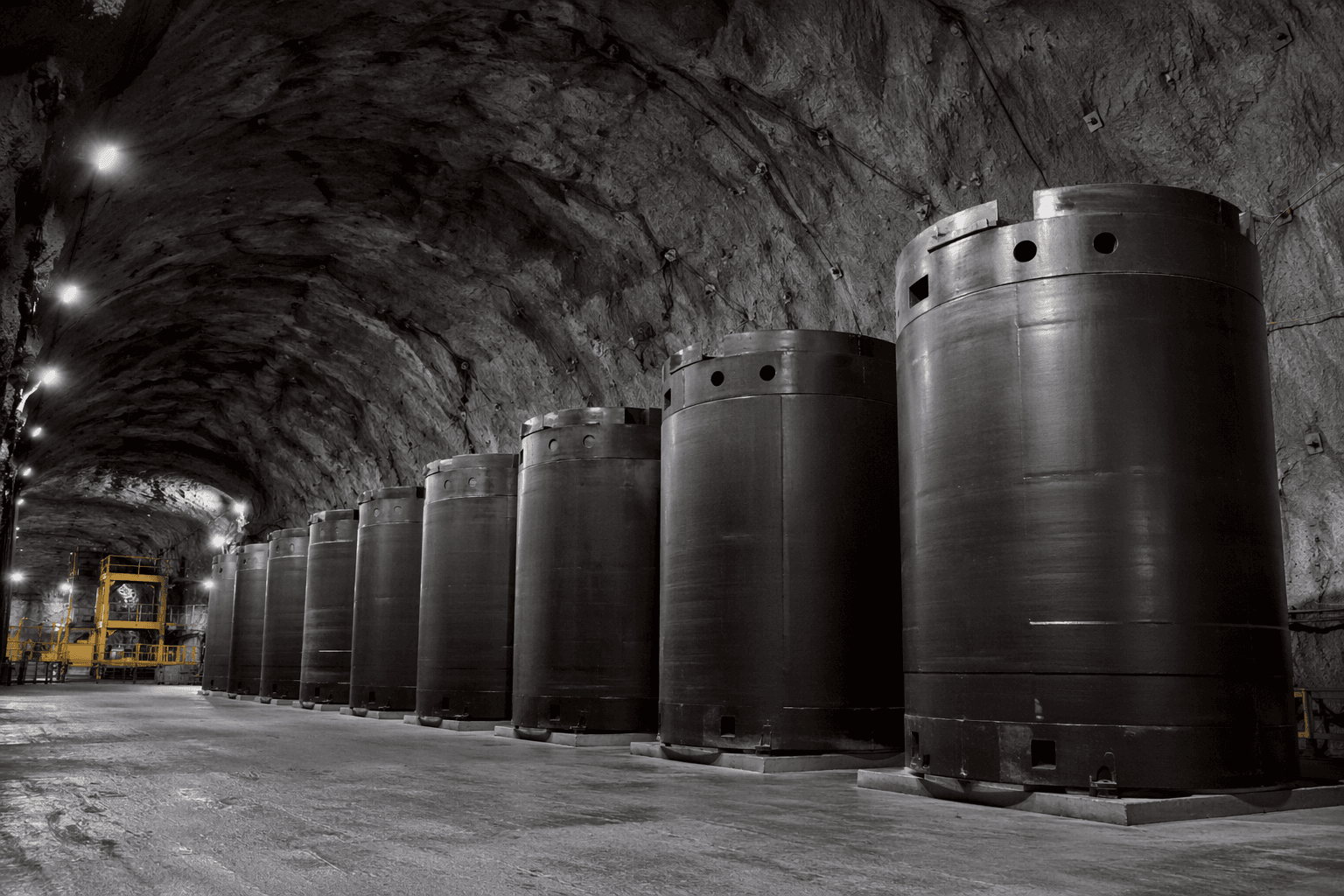
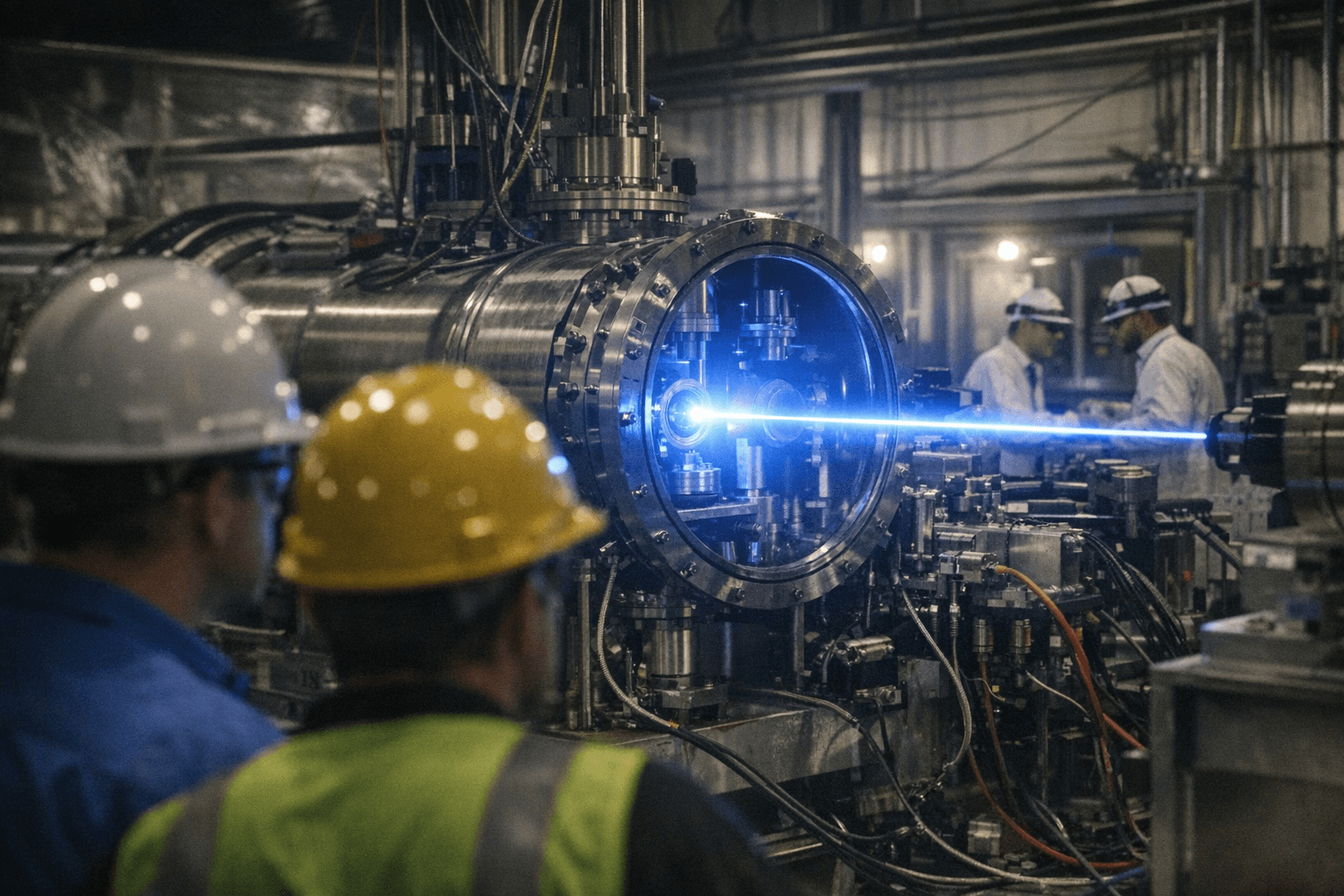
Rather than processing fresh uranium hexafluoride feed, PLEF would re-enrich high-assay depleted uranium tails from Department of Energy stockpiles into low-enriched uranium for use in commercial reactor fuel. GLE says it completed large-scale SILEX demonstrations and is pursuing Technology Readiness Level progress toward full commercial deployment, with a late-decade start of operations as the target.
The NRC licensing pathway is already underway; GLE previously submitted its full license application, though no review schedule has been publicly announced. The federal government has also backed the project through a separate DOE award of up to $28.5 million.
Founded in 2007, GLE has invested more than $550 million in engineering, design, and licensing for SILEX enrichment and currently operates a pilot facility in North Carolina. If PLEF clears NRC review and reaches commercial scale, it would represent the first industrial-scale alternative to centrifuge enrichment in the U.S. fuel cycle and, by GLE's own framing, a decisive step toward reducing American dependence on foreign enrichment services.
This article was produced by Prism’s automated news system from verified source data, official records, and press releases, then run through automated quality and moderation checks before publishing. The system is built and supervised by the people who set the standards it runs under. Read our full AI policy.
Did this article answer your question?