KHNP, Southern Nuclear deepen engineering ties to boost reactor performance
KHNP and Southern Nuclear signed an engineering pact in Gyeongju, swapping outage, maintenance, and reliability know-how that could shorten risk in both fleets.
_98484.jpg&w=1920&q=75)
KHNP and Southern Nuclear Operating Company have moved past a handshake and into the shop floor. The two operators signed a memorandum of understanding at KHNP’s headquarters in Gyeongju on April 12, setting up technical exchange programs, workshops, and best-practice sharing aimed squarely at plant operation, maintenance, reliability, and engineering.
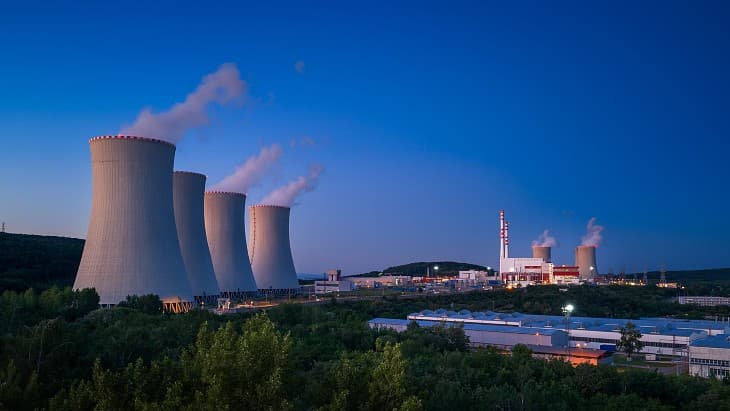
The emphasis matters. KHNP said the agreement is meant to push its facility reliability-centred operating system further, building on the company’s shift to an engineering system in December 2023. For a utility that runs 26 reactors with 25,609 MWe of combined capacity and supplies about one-third of South Korea’s electricity, that is less about optics than about tightening the discipline behind a very large operating fleet.

Southern Nuclear brings a different kind of weight to the table. The Southern Company subsidiary operates eight units across Farley in Alabama, Hatch in Georgia, and Vogtle in Georgia, with more than 8,200 MWe of nuclear capacity. It also has more than 50 years of operating experience and says it has won more than 10 consecutive Top Innovative Practice Awards. Southern Nuclear was the first to deploy accident tolerant fuels, and at Vogtle its Unit 3 entered commercial operation on July 31, 2023, followed by Unit 4 on April 29, 2024. Those two units were the first newly constructed nuclear units to achieve commercial operation in the United States in 30 years.
That combination makes the MOU look less like general relationship-building and more like a transfer of hard-earned operating know-how. The likely value is in the unglamorous work that decides whether reactors hit their marks: outage execution, component reliability, maintenance planning, and fleet performance management. KHNP Engineering Division head Kim Young-seung said the deal would help engineers “broaden their global perspective and advance the engineering system further.”
The timing also fits a broader nuclear backdrop in South Korea. The country’s nuclear fleet remains strategically important, and President Lee Jae-myung confirmed in January 2026 that the government would proceed with two new reactors in the 11th Basic Plan. Even so, the KHNP-Southern pact points to a different bottleneck in the buildout: not just how to add capacity, but how to keep large fleets performing at a higher level once they are on the grid.
This article was produced by Prism’s automated news system from verified source data, official records, and press releases, then run through automated quality and moderation checks before publishing. The system is built and supervised by the people who set the standards it runs under. Read our full AI policy.
Did this article answer your question?