Kursk II VVER-TOI Unit 1 Achieves Full Power During Pilot Operation
The world's first VVER-TOI reactor hit 100% power in mid-March 2026, clearing the final commissioning hurdle before Kursk II's commercial launch later this year.
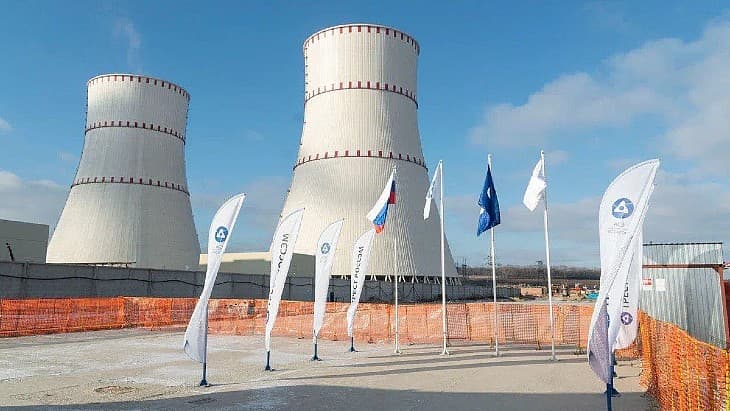
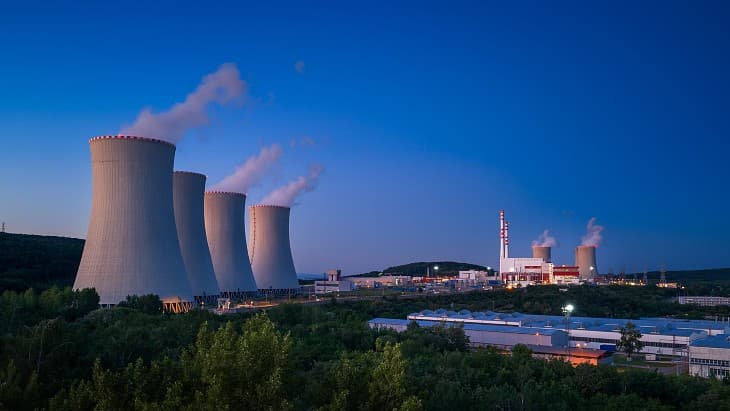
Unit 1 at Russia's Kursk II NPP, the world's first VVER-TOI reactor, achieved full power during pilot operation in mid-March 2026, a milestone that brings Russia's newest Generation 3+ plant within reach of commercial operation. Kursk II sits in western Russia, about 60 kilometres from the Ukrainian border, and carries particular regional weight: it is being built specifically to replace the aging RBMK-1000 fleet at the original Kursk NPP next door.
The 1,250 MWe unit was connected to the grid in December. During pilot operation there were a series of checks and tests at each capacity level before it was allowed to increase in steps to 100% capacity. A concrete early benchmark: pilot operation of the first unit began, with the unit set to increase its output in stages, climbing from a reported 408 MWe toward its nominal 1,250 MW power rating. Since that December grid connection, the unit has supplied more than 570 GWh of electricity to the network as specialists methodically walked up the power curve.
Rosatom Director General Alexey Likhachev announced the 100% milestone publicly at the nuclear industry information day on March 12, 2026. The design tests now under way at full load are the last technical gate before regulators sign off. "Reaching 100% of design capacity is the final stage of the process of commissioning unit 1 of Kursk-II NPP," said Oleg Shperle, ASE Vice President and Director of the project for the construction of the Kursk NPP. "We can already confidently say that the unit has confirmed the correctness of the solutions adopted in the VVER-TOI project, the high quality of the equipment manufactured and the construction and installation work performed."
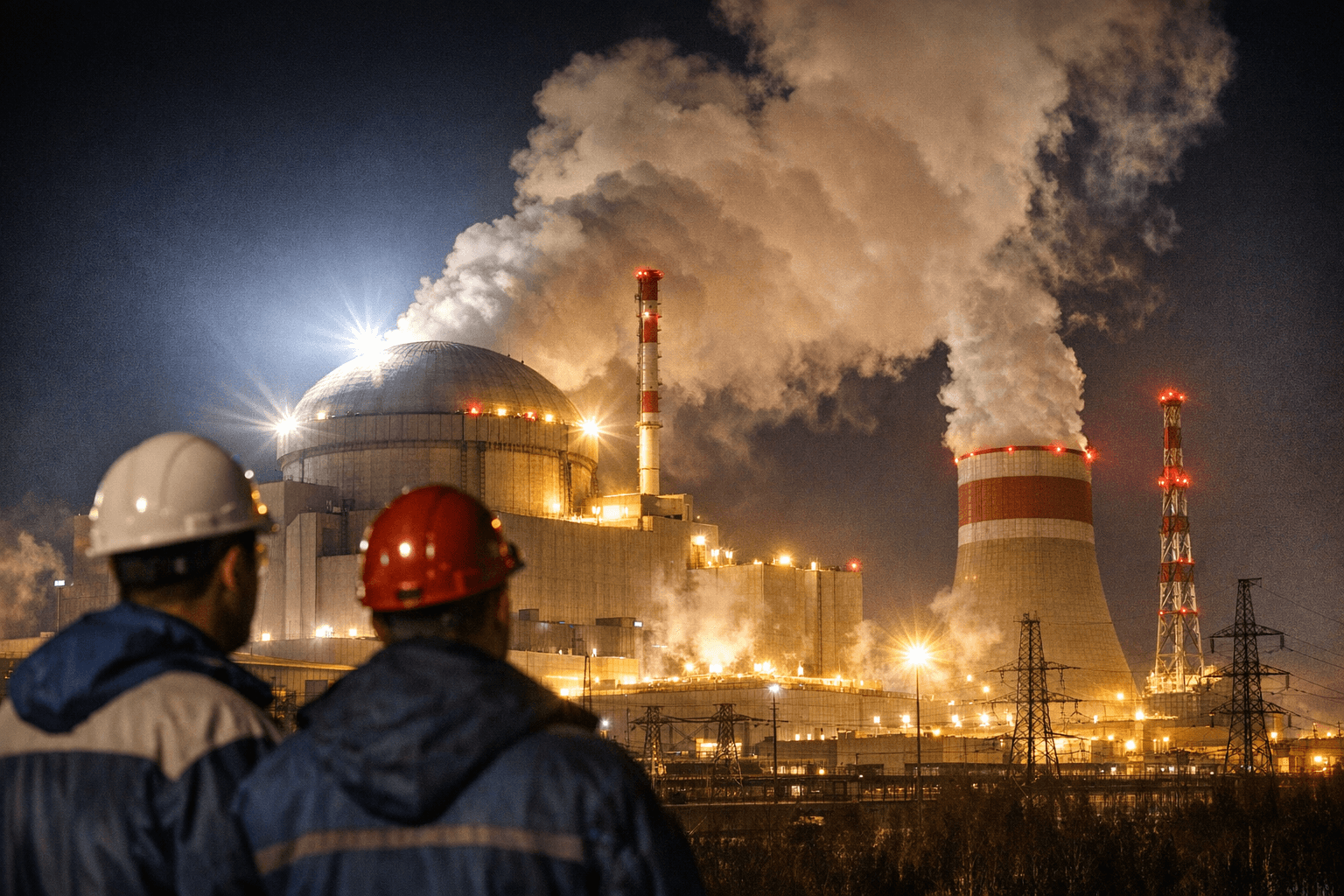
Kursk NPP Director Alexander Uvakin described exactly what his team will be verifying at full load. "At each stage, our specialists carried out a set of tests to check the compliance of the parameters and characteristics of the operation of systems and equipment with the design values and verified their reliable and safe operation," Uvakin said. "At 100% power, we will once again study the neutron-physical characteristics of the core, study the behaviour of the reactor installation in various scenario conditions, test in-reactor control systems, test the mode of complete de-energisation of the unit, check the effectiveness of biological protection, as well as the radiation situation at the NPP."
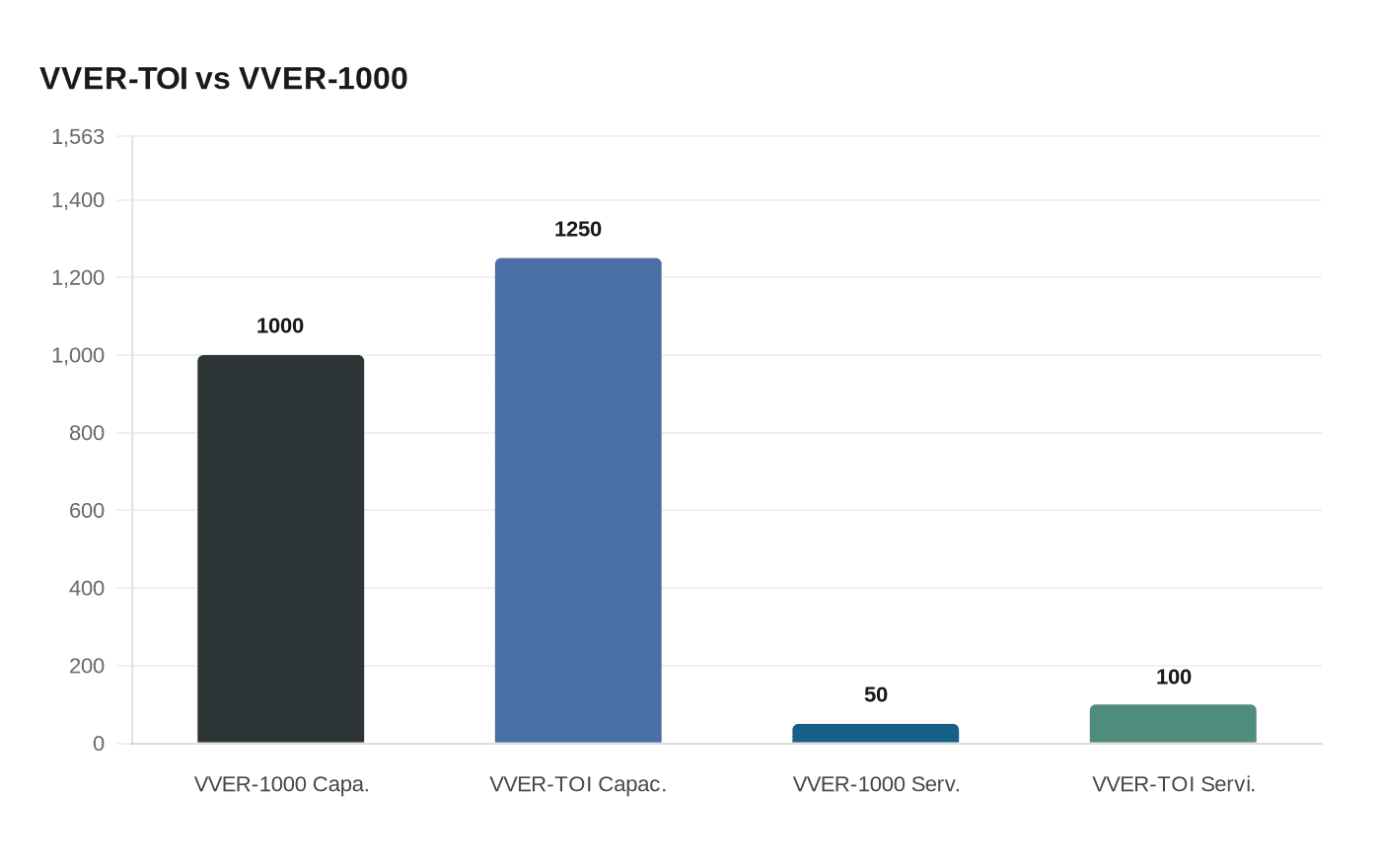
The VVER-TOI is a step-change from the VVER-1000 it succeeds. Compared with the previous generation VVER-1000, the VVER-TOI increases capacity by 25% to 1,250 MWe, doubles the service life of main equipment, and employs a combination of passive and active safety systems. Rosatom also notes that the VVER-TOI units include a core meltdown localiser. Among its other improvements are upgraded pressure vessels, low-speed turbines, and up to 100 years of service life compared with its predecessor, the VVER-1200.
The final conclusion on readiness for industrial operation will be issued by nuclear utility Rosenergoatom's acceptance committee after confirmation by regulator Rostechnadzor. The power unit is planned to be put into commercial operation later this year. The projected annual electricity generation from Units 1 and 2 combined is 19.5 TWh, and the final plan for Kursk II is for four VVER-TOI units that will increase output by a total of 20%.
The new units will replace the four units at the existing nearby Kursk nuclear power plant, which are scheduled to shut by 2031. The first of those units was shut down after 45 years of operation in December 2021 and the second followed in January 2024. The original design life for the four RBMK-1000 reactors was 30 years, extended by 15 years following life extension programmes. Unit 2 at Kursk II is expected to begin operation in 2027, with the construction of all four units included in Russia's general plan for electric power facilities through 2042, under which 38 new power units are to be built in total.
Construction of Unit 1 began in 2018, with the polar crane installed in October 2021 and the reactor vessel put in place in June 2022. Concreting of the outer dome was completed in August 2023. That eight-year build culminating in a first-of-kind reactor type hitting full power is the kind of commissioning result that will be studied closely by every utility considering a VVER-TOI order.
This article was produced by Prism’s automated news system from verified source data, official records, and press releases, then run through automated quality and moderation checks before publishing. The system is built and supervised by the people who set the standards it runs under. Read our full AI policy.
Did this article answer your question?