Lithuania opens €400 million tender to dismantle Ignalina reactor cores
Lithuania has opened a €400 million tender to tear out Ignalina’s reactor cores, the first direct assault on the plant’s graphite-moderated heart.

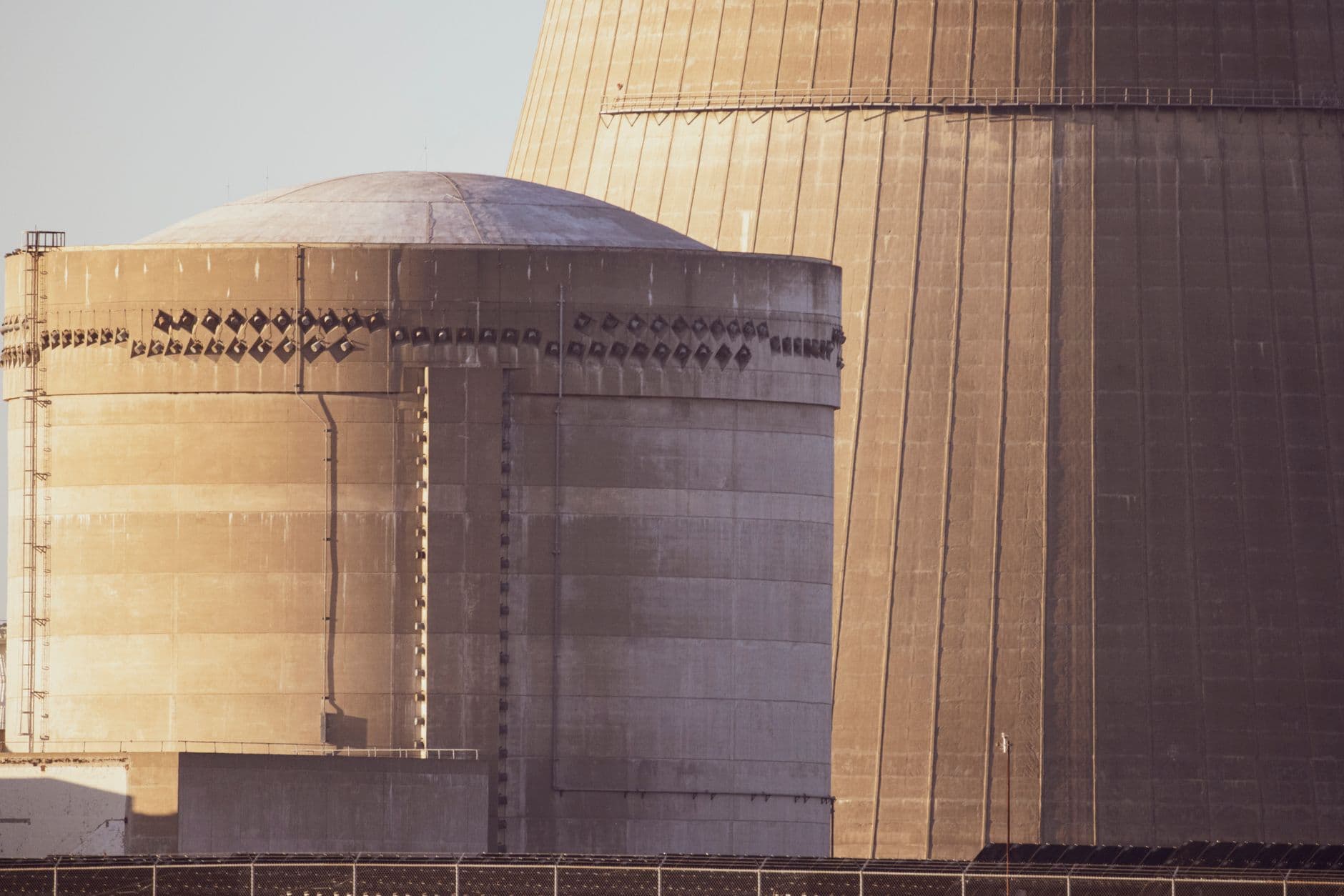
Lithuania has opened a €400 million international tender to dismantle the reactor cores at both units of the Ignalina nuclear power plant, turning years of decommissioning planning into the plant’s most technically demanding teardown yet. The contract is run by Altra, the state-owned company leading the work, and covers design, licensing, specialist equipment supply, core removal and radioactive-waste management.
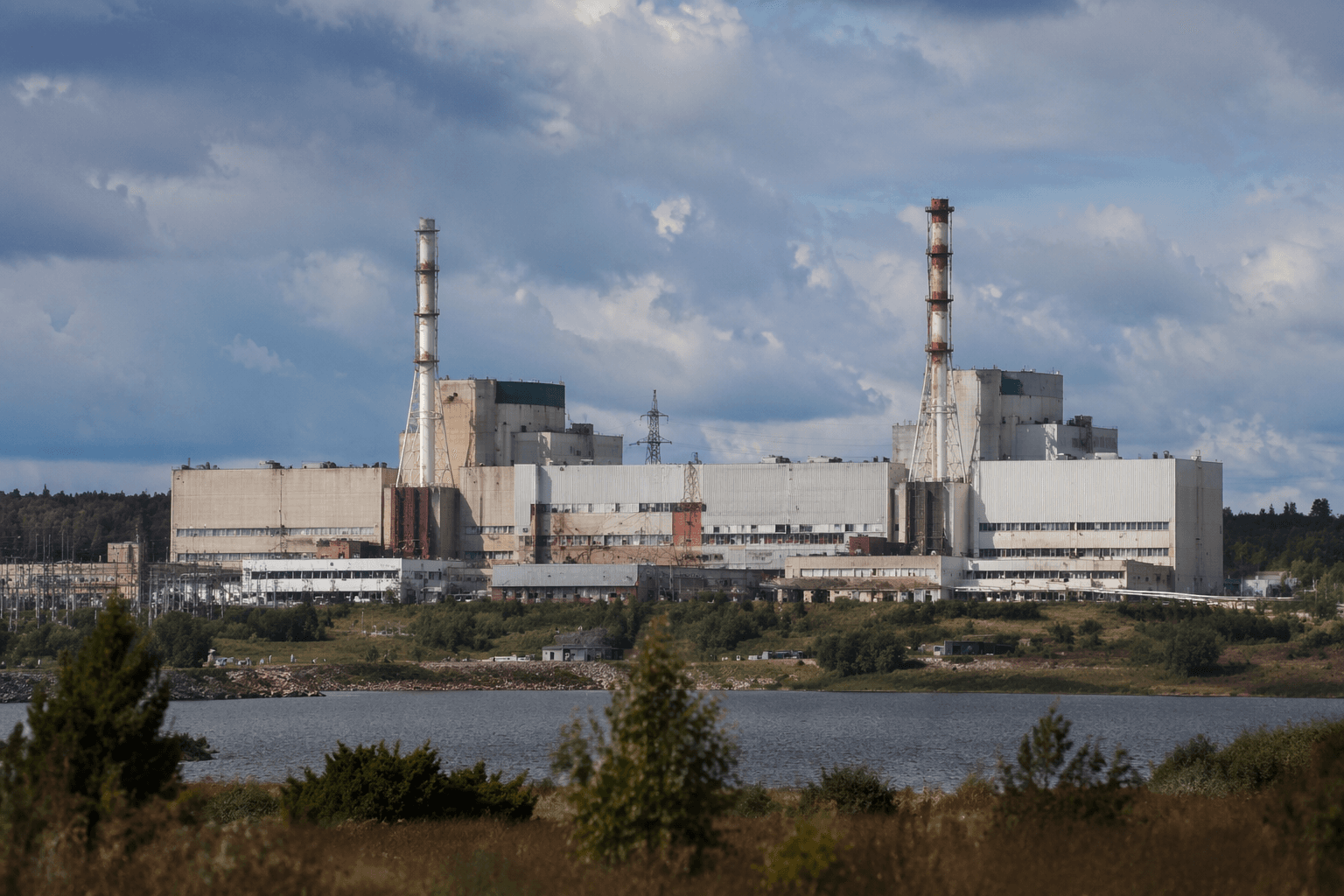
The job goes deep into the plant’s R3 zones, where the graphite stack, surrounding structures and filler materials sit in shafts about 21 by 21 metres across and 25 metres deep. Across both reactors, the project involves roughly 25,000 tonnes of material, much of it long-lived waste that will have to be handled under strict nuclear and radiation controls. These are RBMK-1500 reactors, the same model as Chernobyl, and the work includes cutting steel, dismantling irradiated graphite and managing the material that comes out.
The financing has been lined up through the Ignalina International Decommissioning Support Fund, administered by the European Bank for Reconstruction and Development. The EBRD procurement notice puts the estimated total project value at €435 million, with the tender published on 8 July 2026 and closing on 5 November 2026. Once awarded, the work is expected to run for about 16 years. The European Commission puts total EU financial assistance for Ignalina decommissioning and related energy-sector mitigation measures at about €2.2 billion by the end of 2027.

The plant’s two RBMK-1500 reactors were permanently shut down in 2004 and 2009 under Lithuania’s EU accession commitments, the last spent nuclear fuel was removed in April 2022, and by the beginning of 2025 fuel had been removed from both reactors and dismantling of the primary circuits had already started. Earlier stages have already cleared steam drum separators, reactor channels and other contaminated components, while the EBRD fund has paid for interim spent-fuel storage, solid radioactive-waste facilities, boiler stations in Ignalina and Visaginas, safety upgrades and earlier dismantling projects.
This article was produced by Prism’s automated news system from verified source data, official records, and press releases, then run through automated quality and moderation checks before publishing. The system is built and supervised by the people who set the standards it runs under. Read our full AI policy.
Did this article answer your question?