New Jersey launches bid for 1,100 MW of new nuclear capacity
New Jersey opened a formal bid for at least 1,100 MW of new nuclear capacity, with proposals due Jan. 9, 2027 after clearing its moratorium.

Gov. Mikie Sherrill signed the Power NJ Act on July 13, putting New Jersey on a formal procurement track for at least 1,100 MW of new nuclear capacity. The bill passed both houses unanimously and created an advanced nuclear energy procurement program inside the New Jersey Board of Public Utilities.
Companies now have until Jan. 9, 2027 to submit proposals. The process will be transparent and competitive, and the Board of Public Utilities and the New Jersey Economic Development Authority will weigh regulatory, environmental, financial and workforce information before any selection.
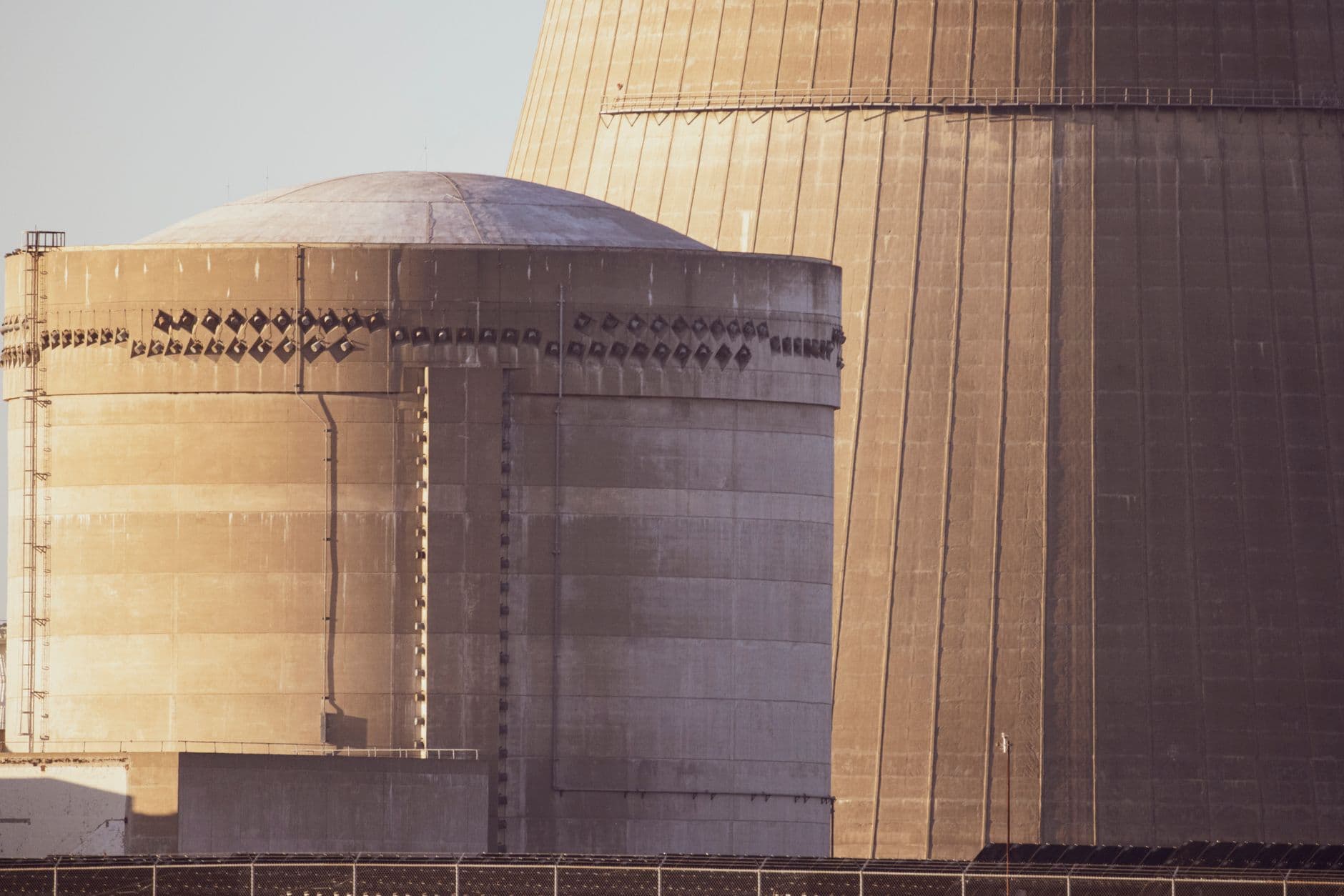
Sherrill had already removed New Jersey’s de facto nuclear moratorium on April 8, when she signed S3870/A4528 at Salem Nuclear Power Plant and launched a Nuclear Task Force. That earlier move cleared a CAFRA-era permit barrier that required proof of an approved radioactive waste disposal method, a standard no permanent U.S. repository currently meets. The task force is examining financing, supply chains, regulatory structure and the technology boundaries for any future plant, while the governor’s office says federal financing programs could cover as much as 80% of a project’s cost.


The U.S. Nuclear Regulatory Commission says Salem and adjacent Hope Creek together produce about 50% of New Jersey’s electricity and 85% of its carbon-free electricity, with Salem Unit 1 licensed until August 2036 and Salem Unit 2 until April 2040. A large conventional nuclear plant in New Jersey would take at least 10 years and roughly $24 billion to build.
This article was produced by Prism’s automated news system from verified source data, official records, and press releases, then run through automated quality and moderation checks before publishing. The system is built and supervised by the people who set the standards it runs under. Read our full AI policy.
Did this article answer your question?