New Jersey weighs new nuclear sites as Salem uprate gains attention
New Jersey cleared its old nuclear permitting roadblock, but the real test is whether Salem’s uprate, siting talks and financing can turn policy into steel.
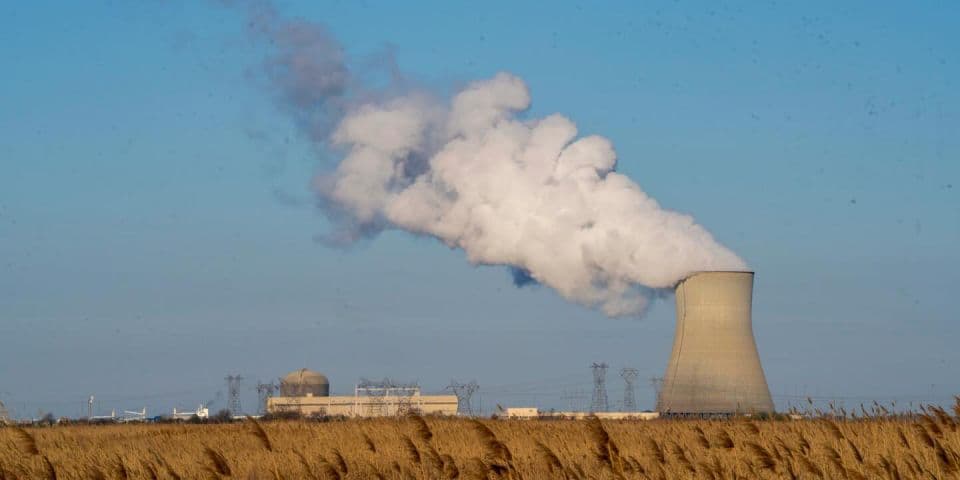
Gov. Mikie Sherrill and PSEG Nuclear CEO Ralph LaRossa now have New Jersey talking about new reactors again, but the state is still at the hard part: turning a lifted moratorium into an actual project. The clearest signal came at Salem Nuclear Power Plant, where Sherrill signed S.3870/A.4528 on April 8 and launched a Nuclear Task Force that will have to sort out whether New Jersey is serious about new build, or just serious about talking about it.
The law matters because it removes the permitting barrier that had functioned as a de facto ban for decades. Under the new framework, the Department of Environmental Protection can approve new nuclear construction and operation based on safe, NRC-compliant waste storage, instead of the old radioactive-waste standard that blocked projects in practice. That is a real policy shift, but it is only the first gate. Siting, utility commitment, financing and federal support still have to line up before anyone pours concrete.
LaRossa’s tone showed where the business end of this now sits. PSEG is clearly keeping the door open, but it is not pretending the state has a project yet. “We see strong momentum behind nuclear power in the state,” he said, while warning that lifting the moratorium was only the start. The new task force, co-chaired by Elizabeth Noll and Christine Guhl-Sadovy, gives the state a place to work through labor, procurement, community and regulatory issues before they become project-killing fights.
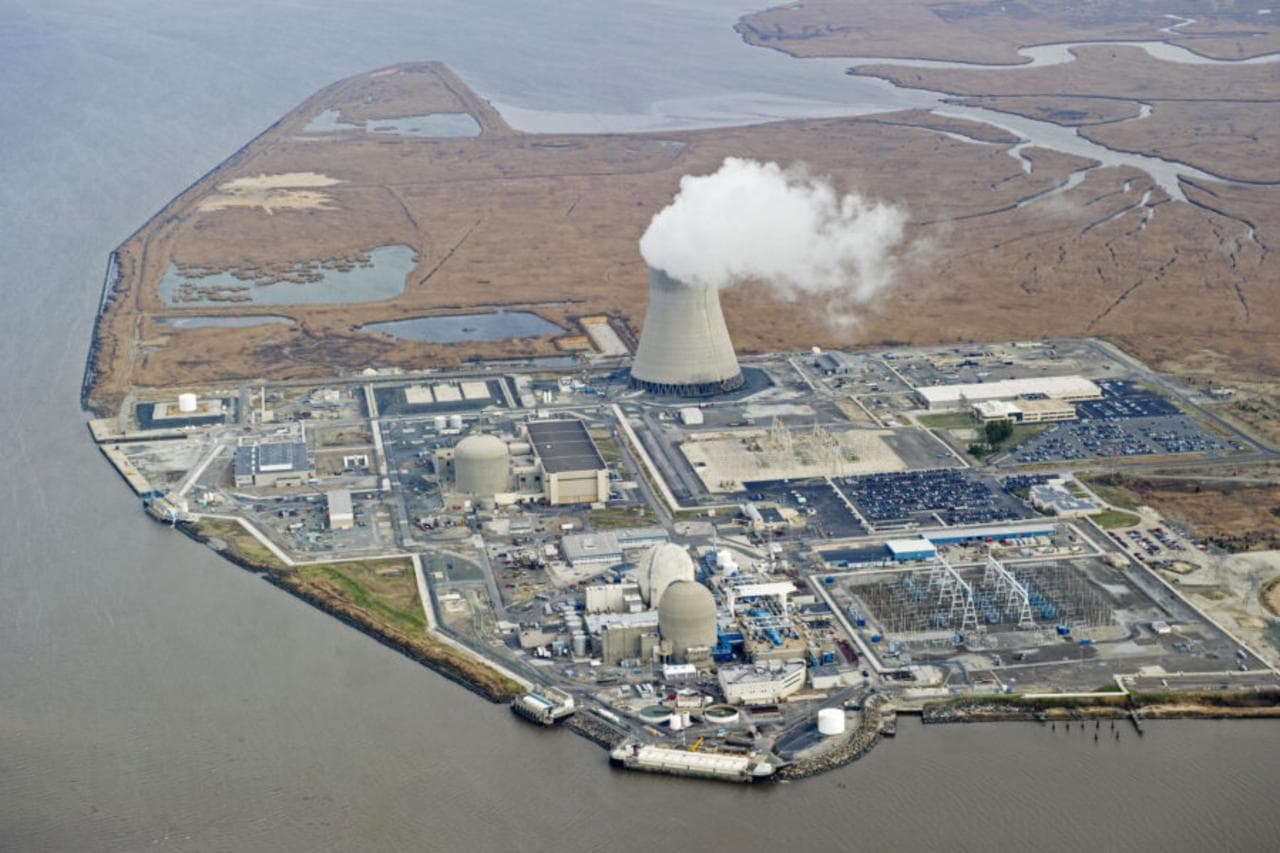
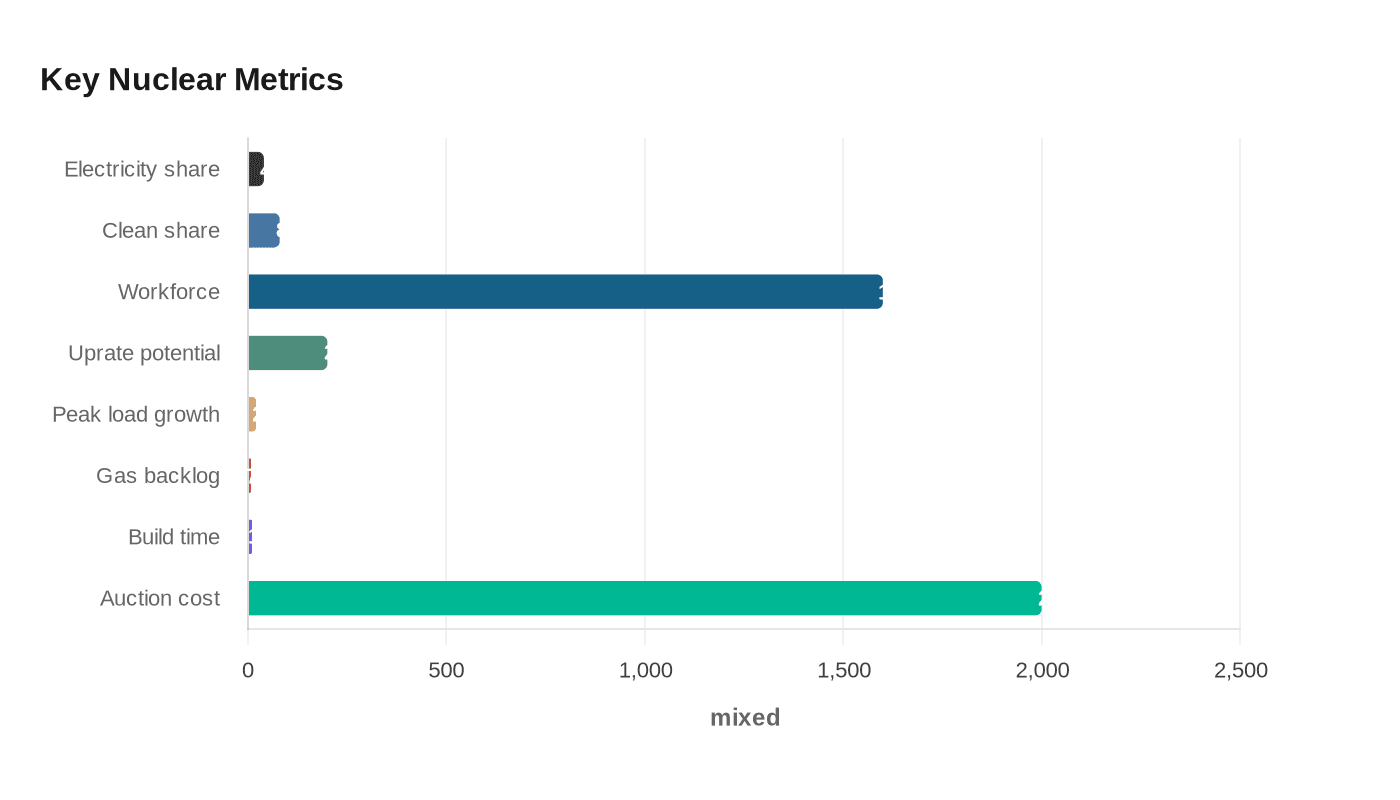
PSEG already has a large nuclear base to build from. In April 2024, the company told the Nuclear Regulatory Commission it intended to seek 20-year subsequent license renewals for Salem Units 1 and 2 and Hope Creek. PSEG says those plants produce more than 40% of the electricity generated in New Jersey and more than 80% of the state’s air pollution-free generation, with a nuclear workforce of more than 1,600 people at the Salem-Hope Creek site.
The fastest near-term gain may be at Salem itself. ANS reported the site may have nearly 200 MW of uprate potential, which would add output faster and with less risk than building a new unit from scratch. That matters because Sherrill’s office says electricity demand is rising for the first time in two decades, PJM expects peak load growth of about 20% by 2030 versus 2024, gas-turbine backlogs can stretch to seven years, and a new nuclear reactor can take a decade or more to build. The July and December 2025 PJM capacity auctions also added more than $2 billion in new costs to New Jersey families and businesses in each case.
That is why the conversation around Salem feels different now. The state has moved past the old prohibition and into the real deployment questions: which site, whose money, what license path, and how fast. If New Jersey gets a new nuclear project, it will start with milestones, not slogans.
This article was produced by Prism’s automated news system from verified source data, official records, and press releases, then run through automated quality and moderation checks before publishing. The system is built and supervised by the people who set the standards it runs under. Read our full AI policy.
Did this article answer your question?