Nuclear Physics Community Heads to Capitol Hill for 2026 Advocacy Day
Brookhaven, Jefferson Lab, and Michigan State researchers converge on Capitol Hill April 21 to defend the $1.7B Electron-Ion Collider as FY2027 budget battles loom.
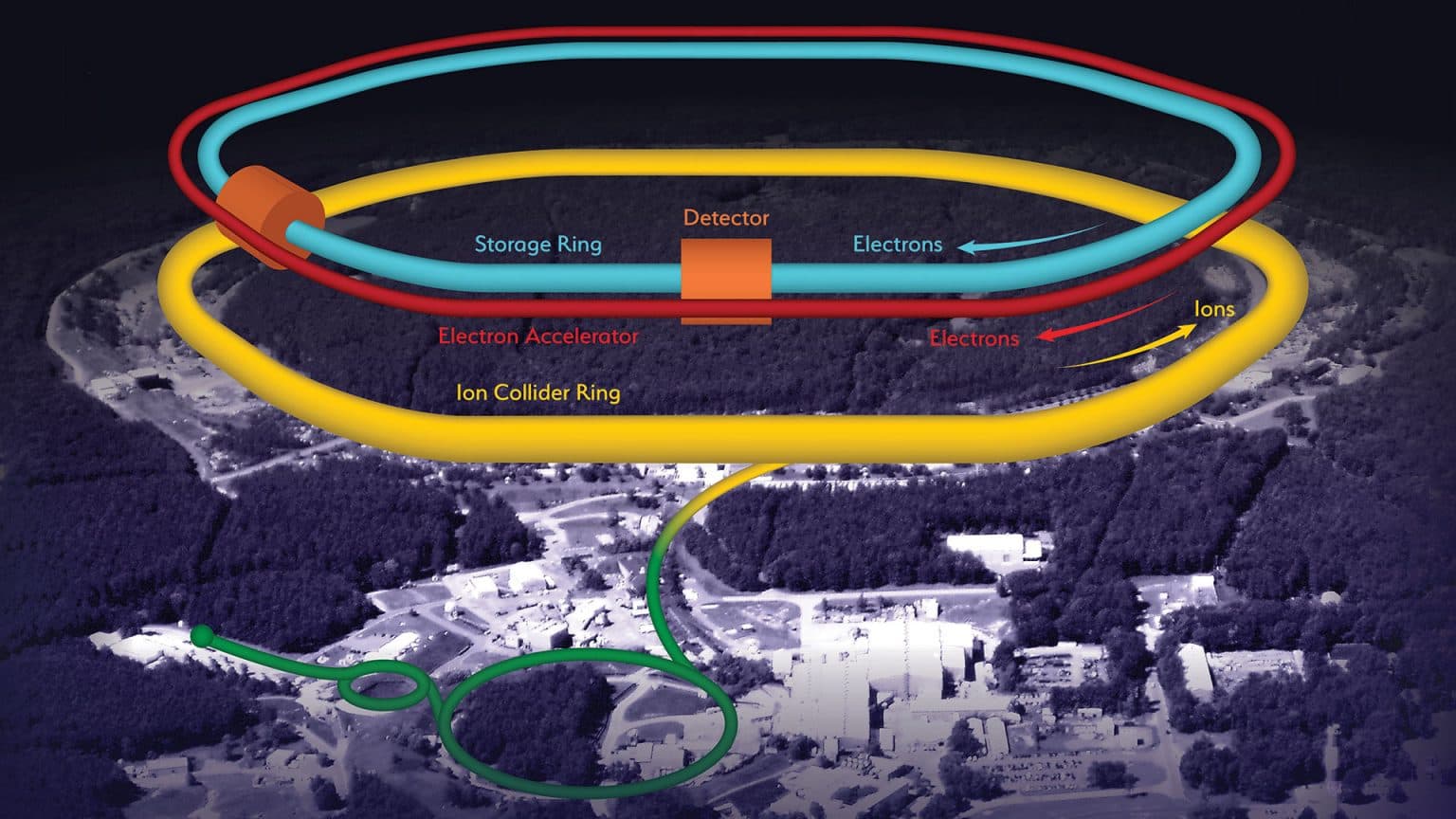
Research leaders from three of the country's most consequential nuclear physics facilities are mobilizing for a coordinated push on Capitol Hill on April 21, with billions in accelerator construction and thousands of annual beam hours at national laboratories riding on what organizers are already calling "a very challenging budget year."
Nuclear Physics Day 2026 brings together faculty, students, and facility representatives organized by institutions running the U.S. nuclear physics user facility network: Michigan State's Facility for Rare Isotope Beams, Jefferson Lab, and Brookhaven National Laboratory. Their target is the congressional offices responsible for the FY2027 budget cycle, which is just beginning to take shape as participants register for April 21 meetings.
The financial stakes are concrete. The Electron-Ion Collider currently under construction at Brookhaven carries an estimated project cost of $1.7 billion to $2.8 billion and received $110 million in FY2026 construction funding. The EIC is the highest-priority facility construction project in the Nuclear Science Advisory Committee's 2023 Long Range Plan, and its roughly 1,350-member international users group makes it the single budget line with the widest scientific constituency in U.S. nuclear physics. Any disruption to that construction funding ripples across detector development timelines, accelerator R&D contracts, and university groups building instrumentation. At Michigan State, FRIB is currently authorized to run 4,000 beam hours per year discovering and characterizing rare isotopes with applications to nuclear structure research, medical isotopes, and heavy element production. At Jefferson Lab, the CEBAF accelerator complex operates at 3,300 hours per year.
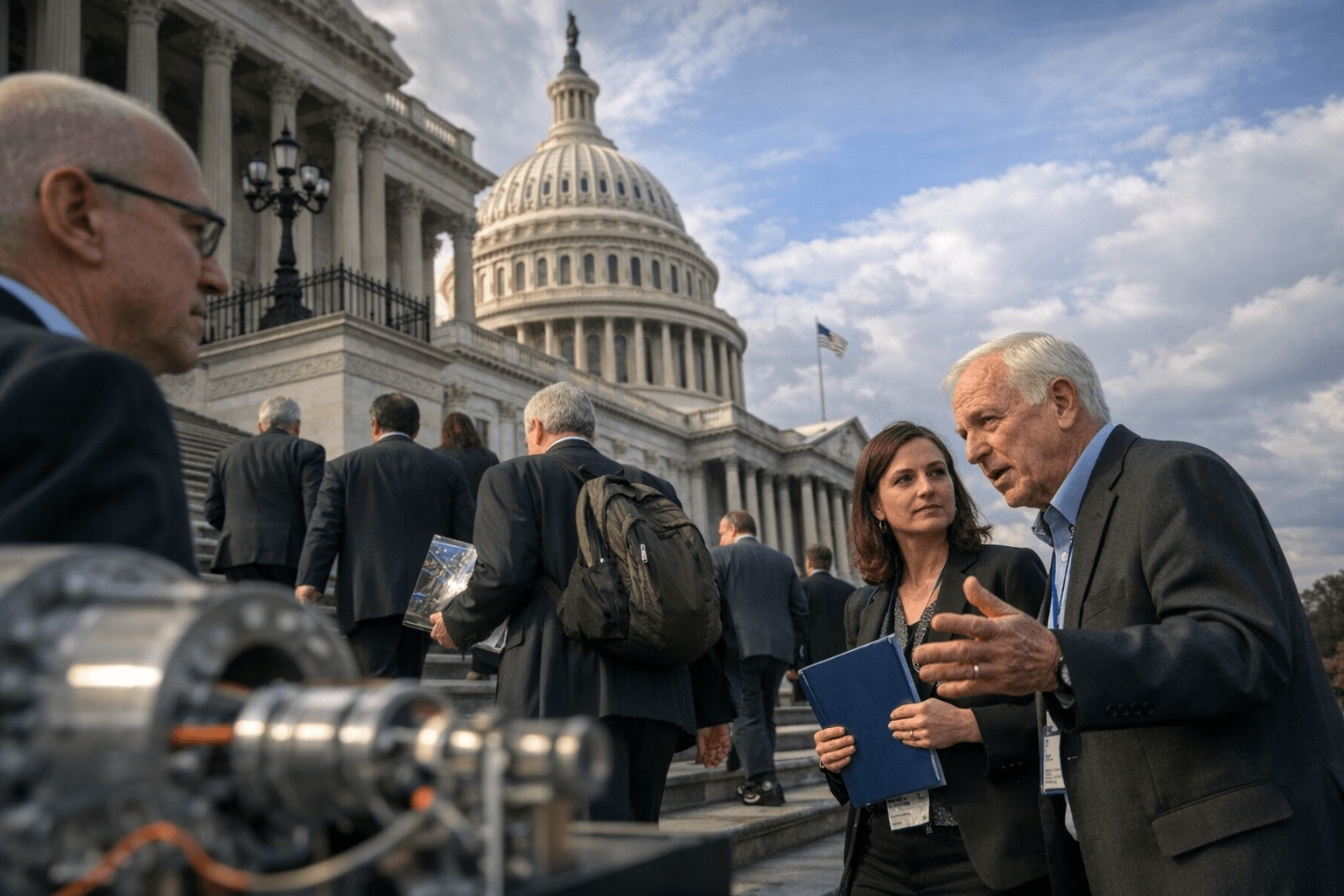
Participants heading into Hill meetings will be working from materials grounded in the NSAC Long Range Plan, released in October 2023, which maps a decade of priorities covering rare isotope production, neutrino physics, and the EIC itself. Organizers are providing a background briefing before April 21 and are handling the scheduling logistics for congressional meetings, which means first-time advocates, including students and early-career researchers, can walk into a senator's office prepared to connect a local university to a specific facility, a beam-time allocation, or a detector component currently under development.
The urgency is not abstract. Congress pushed back against proposed cuts to the DOE Office of Science in FY2026, ultimately passing a 1.9% increase to $8.4 billion, with nuclear physics among the programs that received an increase. But with FY2027 appropriations starting from scratch, DOE's nuclear physics programs account for roughly 95 percent of all federal investment in the field, meaning a single underfunded cycle puts every user facility's operating hours and the EIC's construction schedule at simultaneous risk. For the students attending Nuclear Physics Day, learning how beam hours get traded against construction milestones in an appropriations markup is the practical education that no graduate seminar delivers.
This article was produced by Prism’s automated news system from verified source data, official records, and press releases, then run through automated quality and moderation checks before publishing. The system is built and supervised by the people who set the standards it runs under. Read our full AI policy.
Did this article answer your question?