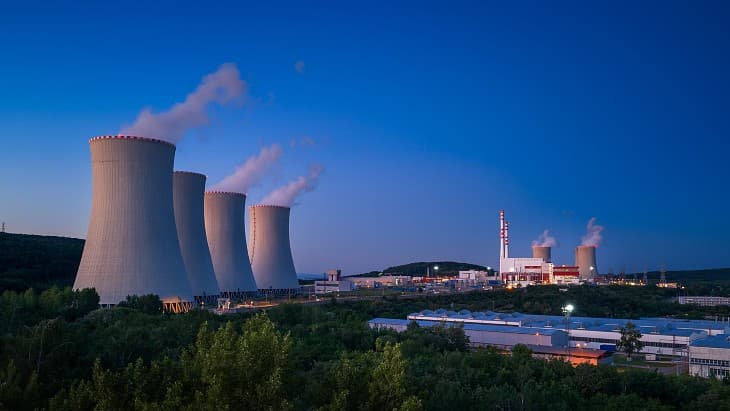
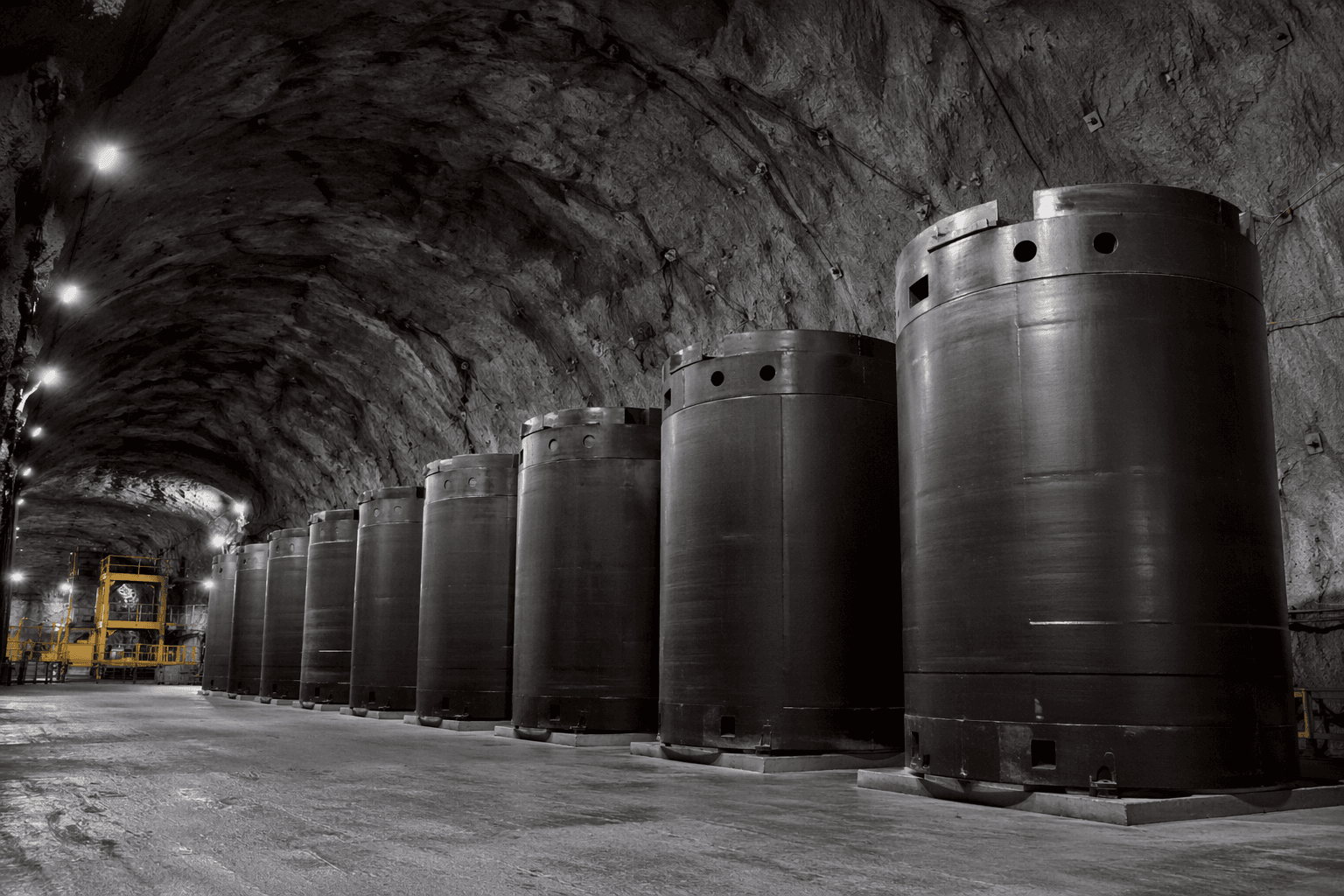
Poland clears key siting hurdle for first nuclear power plant
Poland's first nuclear plant cleared a siting test at Lubiatowo-Kopalino, after a 700-page safety review found no blocking factors. The move tightens the path toward first concrete in 2028.
_83018.jpg&w=1920&q=75)
Poland’s first nuclear plant cleared a siting test that sits near the front of the licensing chain, as the president of the National Atomic Energy Agency concluded that Lubiatowo-Kopalino was suitable for a three-unit station after reviewing a 700-page Preliminary Site Report. The ruling gave Polskie Elektrownie Jądrowe a stronger technical and regulatory footing for the country’s first large reactor project on the Baltic coast, in Choczewo municipality, Pomerania.
The agency’s review covered seismic and tectonic conditions, geology, hydrology, meteorological conditions, human-made external events, natural hazards, population density, local development, and the ability to carry out emergency planning in the event of a radiological incident. The conclusion was bluntly practical: the legally required analyses had been completed, and none of the factors that would block construction were present at the proposed site. For a first-of-a-kind national program, that matters because the argument is no longer only political. It is becoming site-specific, document-heavy, and tied to a safety case that has to survive each step of the licensing sequence.
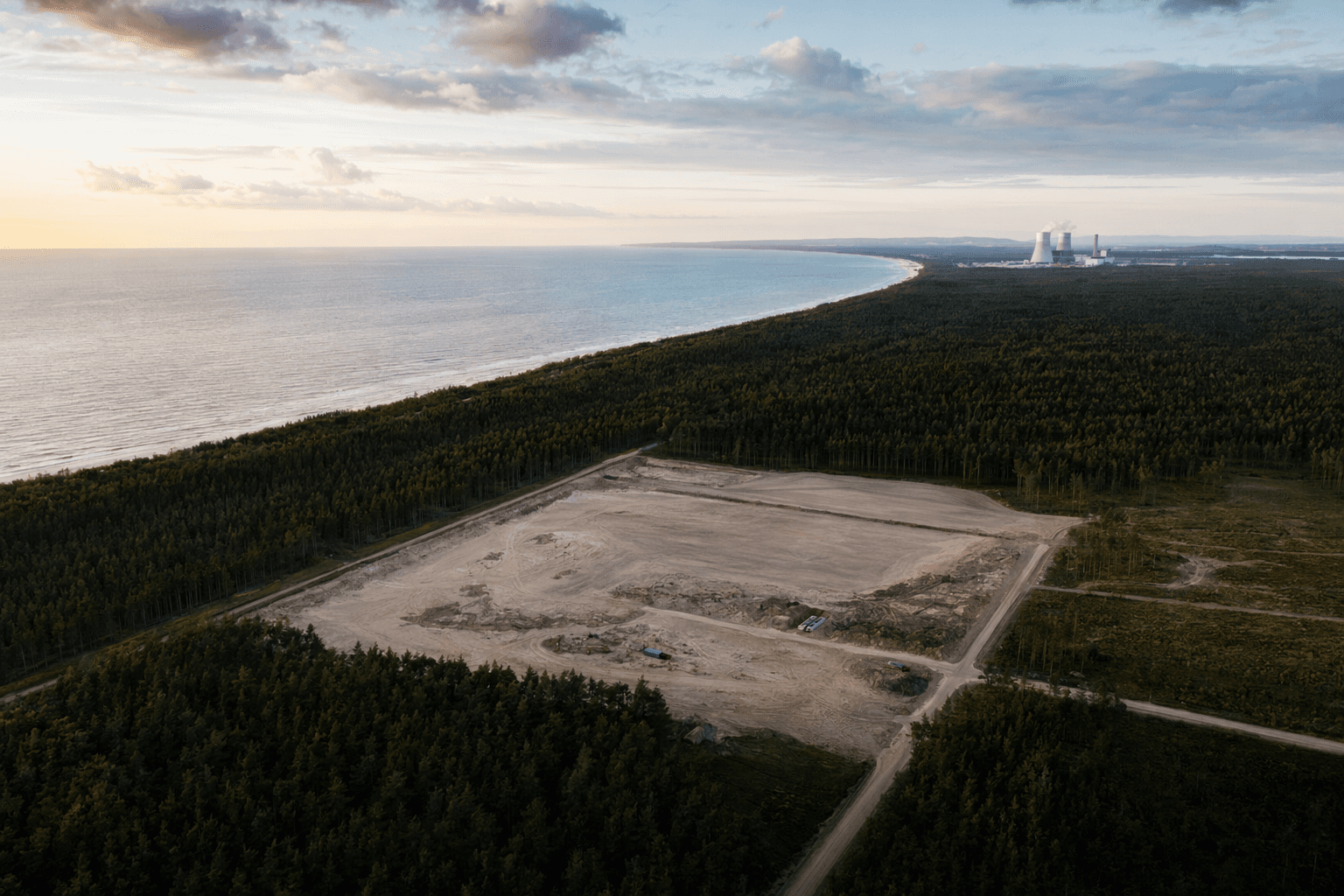
That sequence has been building for years. PEJ began broad site and environmental studies in 2017 across 92 potential locations before choosing Lubiatowo and Kopalino as the preferred site in December 2021. The latest opinion is not mandatory, but PEJ says it can be folded into future paperwork once the legal framework for preliminary construction work is updated. In practice, it strengthens the package now moving through the system, including the construction license application PEJ submitted to the National Atomic Energy Agency on March 31, a filing that ran to more than 40,000 pages and was prepared with help from more than 200 experts.
The plant itself is planned as a three-unit Westinghouse AP1000 project with a combined gross capacity of 3,750 MWe. Poland chose AP1000 technology in November 2022, and Westinghouse, Bechtel and PEJ signed a delivery agreement in May 2023. The project has already cleared other major hurdles: the environmental decision was upheld on January 16, 2025, and the European Commission approved Polish state aid in December 2025 after an EU compliance review covering an estimated €45 billion investment and up to 3,750 MW of generation.
_947666e4.jpg&w=1920&q=75)
The next tests are still substantial. PEJ expects first concrete for unit one in the fourth quarter of 2028, and the Polish government has said construction should finish in 2035, before testing and regulatory approvals lead to operation. The IAEA’s April 2024 Phase 2 INIR mission said Poland was continuing to make progress on the infrastructure needed for a safe and sustainable nuclear power programme. For Europe, Lubiatowo-Kopalino is now more than a plan on paper. It is a live check on whether a first national nuclear build can still move from policy ambition to civil works.
This article was produced by Prism’s automated news system from verified source data, official records, and press releases, then run through automated quality and moderation checks before publishing. The system is built and supervised by the people who set the standards it runs under. Read our full AI policy.
Did this article answer your question?