US, Japan complete largest HALEU shipment in NNSA history
The U.S. and Japan moved 1.7 tonnes of HALEU, the biggest uranium shipment in NNSA history. The real test is whether it helps unlock reactor deployment, not just headlines.
_38339.jpg&w=1920&q=75)
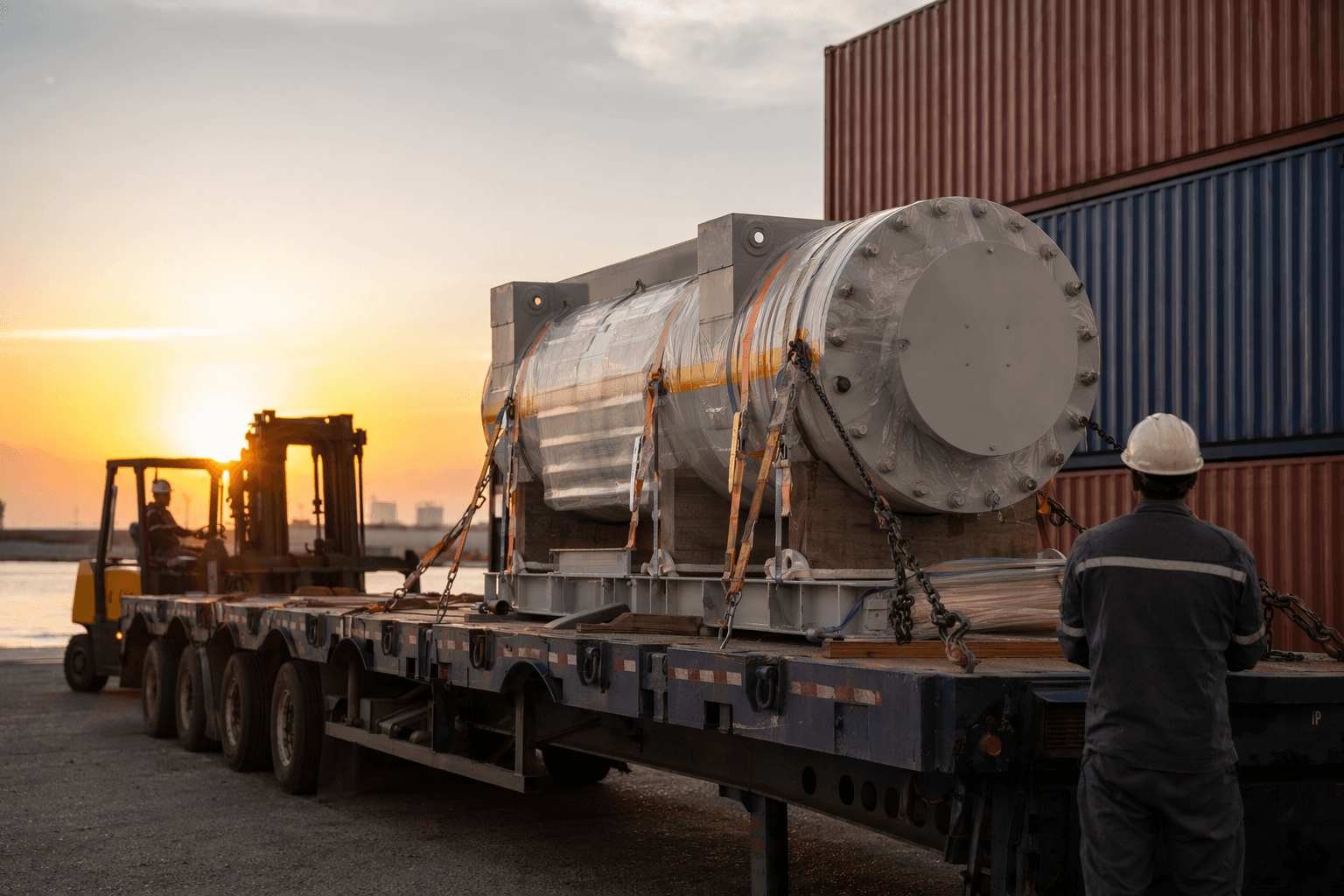
The United States and Japan have completed a 1.7 metric ton transfer of high-assay low-enriched uranium, a shipment the National Nuclear Security Administration called the largest single international uranium move in its history. The material was packaged at the Japan Atomic Energy Agency’s Fast Critical Assembly and sent under a partnership that puts fuel logistics, not just diplomacy, at the center of the advanced-reactor race.
That matters because HALEU is no longer a niche technical term inside the nuclear community. It is the fuel class many next-generation reactor developers need to move past paper designs and into deployment. DOE defines HALEU as uranium enriched between 5% and 20% uranium-235, rich enough for many advanced concepts but still far below weapons-grade material. For the industry, the bottleneck is not only reactor hardware. It is whether fuel can be manufactured, safeguarded, transported and delivered at scale.
The shipment also shows how tightly the fuel cycle is now tied to commercialization. The Department of Energy created the HALEU Availability Program in 2020 to secure a domestic civilian supply, and DOE says HALEU is not currently available from domestic suppliers. It also says supply gaps can delay advanced-reactor deployment. To close that gap, the program is pursuing purchase agreements with domestic industry and limited initial production from DOE-owned assets, a sign that the federal government still has to prime the market before private supply can take over.
The U.S.-Japan move builds on a long nonproliferation record. In 2016, NNSA and Japan’s Ministry of Education, Culture, Sports, Science and Technology committed to converting the Kyoto University Critical Assembly from HEU to HALEU fuel. In 2022, the two countries announced the removal of more than 30 kilograms of highly enriched uranium from three Japanese sites. This latest transfer extends that cooperation from cleanup and conversion into the more difficult task of building a working HALEU supply chain.
The transport side is becoming its own business. Nuclear Transport Solutions said it has more than 700 nuclear transport and logistics specialists across the United Kingdom, Japan and France, and that its HALEU package, Pegasus, is being developed for Generation IV reactors and is moving toward licensing. Civil Nuclear Constabulary also played a role in the operation, underscoring how specialized and heavily controlled HALEU shipping has become.
For advanced reactor developers, the signal is straightforward: the fuel supply chain is inching closer to industrial readiness. One shipment will not solve the HALEU shortage, but it does show that the international machinery needed to move advanced-reactor fuel is finally starting to operate at scale.
This article was produced by Prism’s automated news system from verified source data, official records, and press releases, then run through automated quality and moderation checks before publishing. The system is built and supervised by the people who set the standards it runs under. Read our full AI policy.
Did this article answer your question?