IPPNW warns AI in nuclear command could speed miscalculation, crisis
IPPNW warned that AI in nuclear command could shrink launch decisions to seconds, just as the NPT meets in New York and the Doomsday Clock sits at 85 seconds.
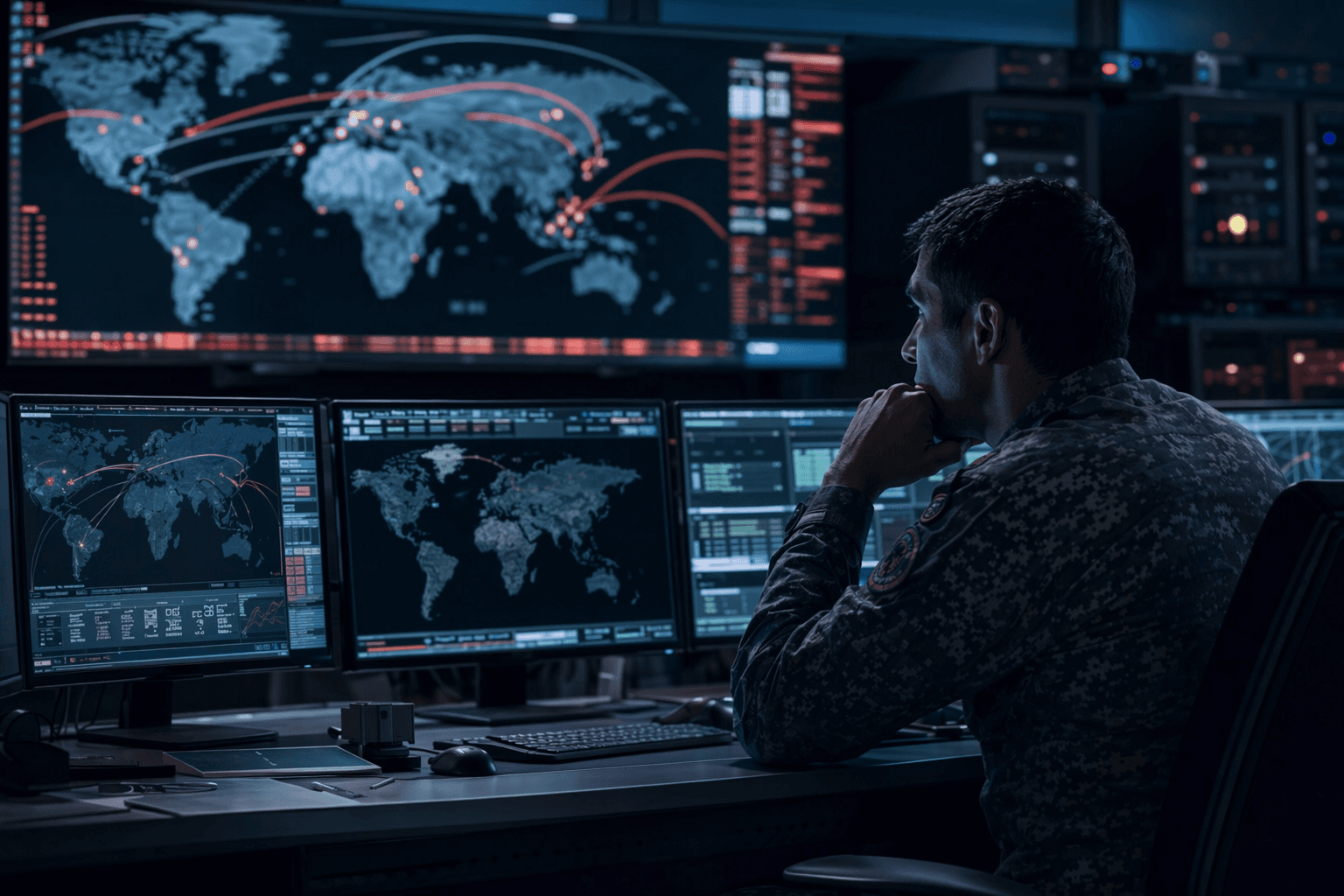
At the 11th NPT Review Conference in New York, IPPNW drew a bright line around the most dangerous part of the arsenal: the systems that warn, recommend and authorize nuclear use. Its warning was blunt, AI and automation in nuclear command and control could speed crisis timelines, increase miscalculation and push humans out of the loop when the pressure is highest.
The group said its AI-and-nuclear threat work was formally organized after its 24th World Congress in Nagasaki in October 2025, and in a May 1 statement delivered by Magritte Gordaneer it urged the nine nuclear-armed states, China, France, India, Israel, North Korea, Pakistan, Russia, the United Kingdom and the United States, not to integrate AI into nuclear weapons command-and-control systems. IPPNW said that doing so would mark a new era of exponential risk to humankind, and it insisted that humans must keep control over any decision to use nuclear weapons.
The warning is aimed at specific choke points, not a vague fear of robots. The danger is in early-warning analysis, data fusion, recommendation tools and command-and-control communications, especially in launch-on-warning scenarios where a few minutes can separate restraint from catastrophe. Existing nuclear safeguards are built around human authorization, which is exactly why the sharper near-term risk is not an autonomous arsenal but AI creeping into the decision chain until human judgment is reduced to rubber-stamping machine output.
That concern landed against a grim backdrop at United Nations Headquarters, where the review conference runs from April 27 to May 22, 2026. Ambassador Do Hung Viet, Viet Nam’s permanent representative to the UN, is serving as President-designate. The treaty itself entered into force in 1970 and was extended indefinitely in 1995, and the UN has framed this meeting as a chance to avoid “certain disaster” and move toward a world free of nuclear weapons.
IPPNW paired its AI warning with a broader alarm about the nuclear balance. It said the Bulletin of the Atomic Scientists set the Doomsday Clock at 85 seconds to midnight in January 2026, the closest humanity has ever been to nuclear war. It also said the last remaining US-Russia arms control treaty had expired, leaving no binding limits or structured arms control dialogue between the two largest nuclear-armed states, while all nine nuclear powers modernized or expanded their arsenals and spent an estimated $100 billion in 2025 alone.
The diplomatic response is already moving, but slowly. On December 1, 2025, the UN General Assembly adopted resolution A/RES/80/23 on the risks of integrating AI into nuclear command, control and communications, passing 118-9 with 44 abstentions. The Holy See has warned that adding advanced systems to nuclear decision-making increases complexity, cuts deliberation time and raises the risk of miscalculation. The real test now is whether states act before AI becomes another layer in the launch chain, rather than after it is embedded in the machinery of nuclear command.
Know something we missed? Have a correction or additional information?
Submit a Tip_38339.jpg&w=1920&q=75)
_80308_74311.jpg&w=1920&q=75)