Project Omega and INL Win ARPA-E Contract to Recycle Used Nuclear Fuel
ARPA-E tapped Project Omega and Idaho National Laboratory to prove out molten-salt electrochemical recycling of used nuclear fuel, targeting a kilogram-scale prototype at INL.
Project Omega, a 15-person Rhode Island startup, and Idaho National Laboratory secured an ARPA-E contract to advance a molten-salt electrochemical recycling platform for used nuclear fuel, the two organizations announced April 2. The award falls under ARPA-E's CURIE program, short for Converting UNF Radioisotopes Into Energy, and sets a concrete near-term target: kilogram-scale prototype validation at INL facilities in Idaho, generating the mass-balanced engineering data that pilot-scale deployment requires.
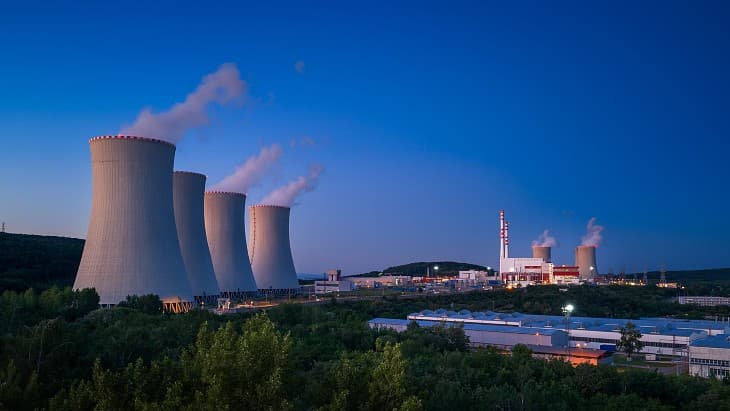
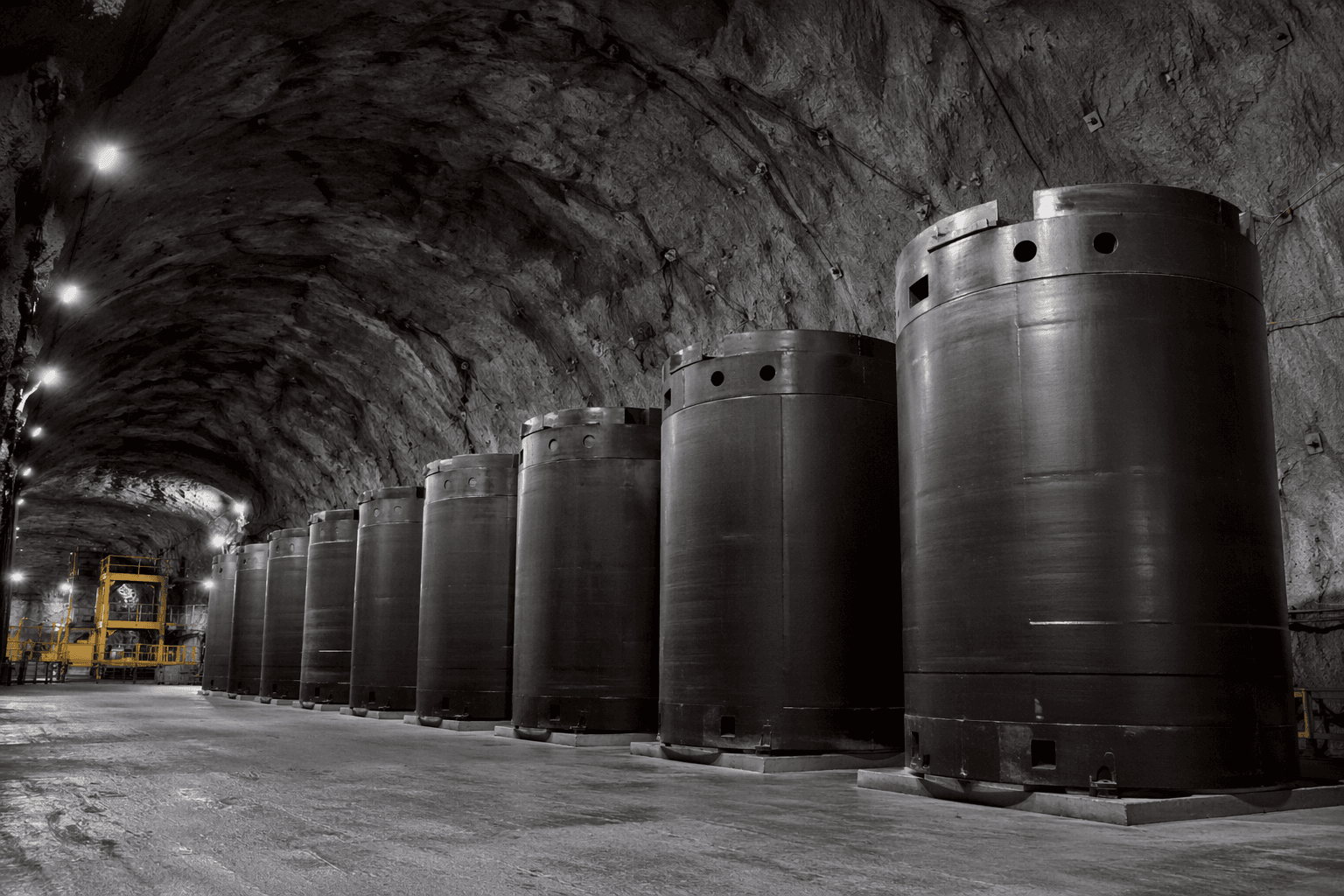
The stakes are hard to ignore. The U.S. currently holds approximately 100,000 metric tons of used nuclear fuel sitting in interim storage, and that material retains more than 90 percent of its original energy value. No domestic industrial capability exists to recover any of it. "The U.S. has approximately 100,000 metric tons of used nuclear fuel containing more than 90 percent of its original energy value, and no industrial capability to recover it," said Dr. John Wagner, Director of INL. "Validating this molten-salt electrochemical platform at kilogram scale is the kind of rigorous, data-driven work needed to move fuel recycling from concept to deployable infrastructure."
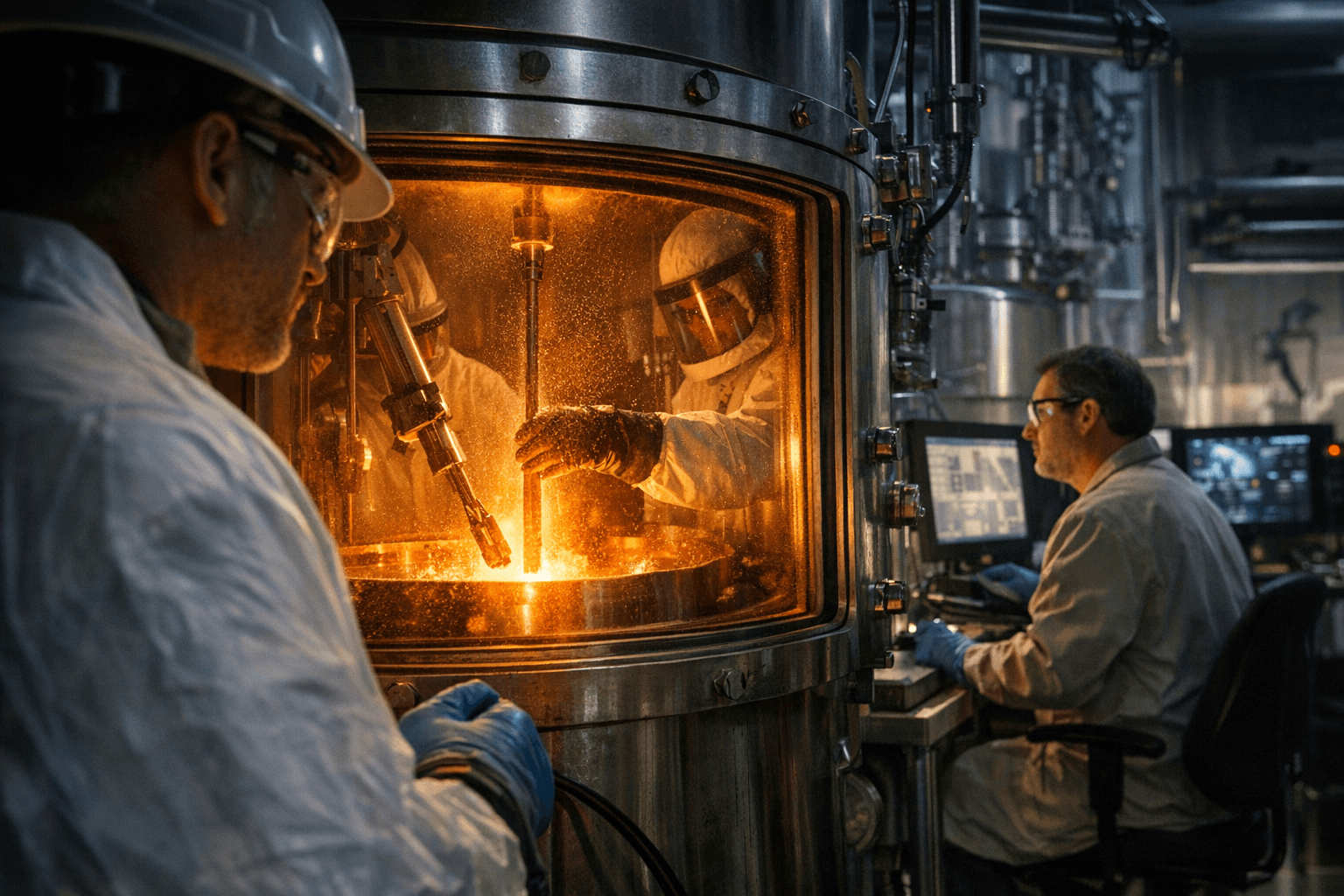
The process itself sits at the intersection of high-temperature electrochemistry and radiochemical separations. Used fuel, primarily uranium oxide assemblies discharged from commercial light-water reactors, is dissolved into a molten salt bath, typically a chloride or fluoride eutectic operating at several hundred degrees Celsius. Electrorefining then drives actinides, uranium, plutonium, and the minor actinides like neptunium and americium, to cathode surfaces while fission products segregate into the salt. The outputs are a recoverable actinide stream suitable for advanced reactor fuel, a fission-product-loaded salt that must be stabilized into a durable waste form, and a significantly reduced volume of material heading toward geologic disposal. Each unit operation, electrorefining, salt handling, materials compatibility, and waste-form consolidation, carries its own engineering challenges that the INL kilogram-scale runs are designed to stress-test.
The proliferation question hangs over any reprocessing program, and Project Omega's approach addresses it directly. Unlike the PUREX-based processes used by France, Russia, and China, which chemically isolate weapons-relevant plutonium, the molten-salt electrochemical route co-extracts uranium with plutonium and minor actinides, keeping the material in a blend that is far harder to weaponize. Dr. Stafford Sheehan, Project Omega's CEO and founder, has described this as a deliberate design choice, not an afterthought.
Sheehan, whose previous ventures include Air Company, which converted atmospheric CO2 into ethanol, co-founded Project Omega with tech executive Nadav Shoval. The company raised $12 million in seed funding before the ARPA-E award and is also in the process of finalizing a Department of Defense contract to supply radioisotope power systems to government and intelligence-community customers. That dual-track approach, recycling as both a waste-management solution and an isotope supply strategy, shapes how Project Omega positions the CURIE award: not just as environmental remediation, but as feedstock recovery for nuclear batteries, advanced reactor fuel, and radiopharmaceutical precursors.
If the INL kilogram-scale runs confirm favorable electrochemical yields and materials compatibility, the roadmap moves to pilot-scale demonstration, regulatory engagement on chemical and radiological safety, and eventual commercial partnership discussions. For the back-end fuel cycle community, this award is a signal that the combination of private capital, national laboratory infrastructure, and ARPA-E bridge funding is now the operative template for pulling electrochemical reprocessing out of the lab and into deployable engineering.
This article was produced by Prism’s automated news system from verified source data, official records, and press releases, then run through automated quality and moderation checks before publishing. The system is built and supervised by the people who set the standards it runs under. Read our full AI policy.
Did this article answer your question?