Rosatom launches simulator for BREST-OD-300 reactor startup training
Rosatom commissioned a full-scale BREST-OD-300 control-room simulator in Seversk, adding a key training gate before the lead-cooled reactor can load fuel.
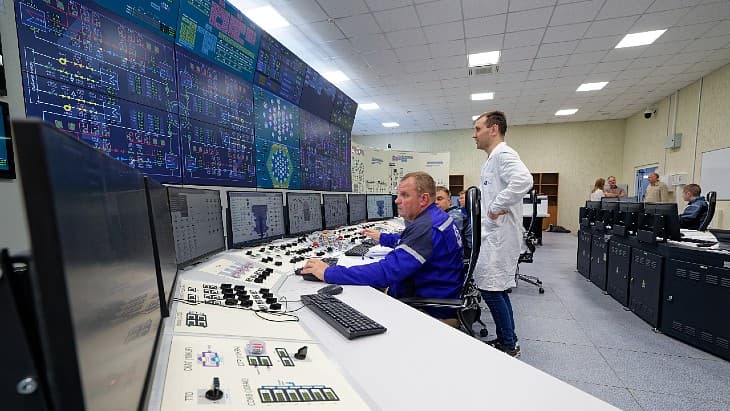
Rosatom commissioned a full-scale control-room simulator for the BREST-OD-300 reactor on July 7, giving startup crews a place to rehearse the lead-cooled fast-neutron unit before physical startup begins. The simulator was installed in the Educational, Training and Information Centre of the Siberian Chemical Combine in Seversk, Tomsk Oblast, right in the project’s own industrial orbit.
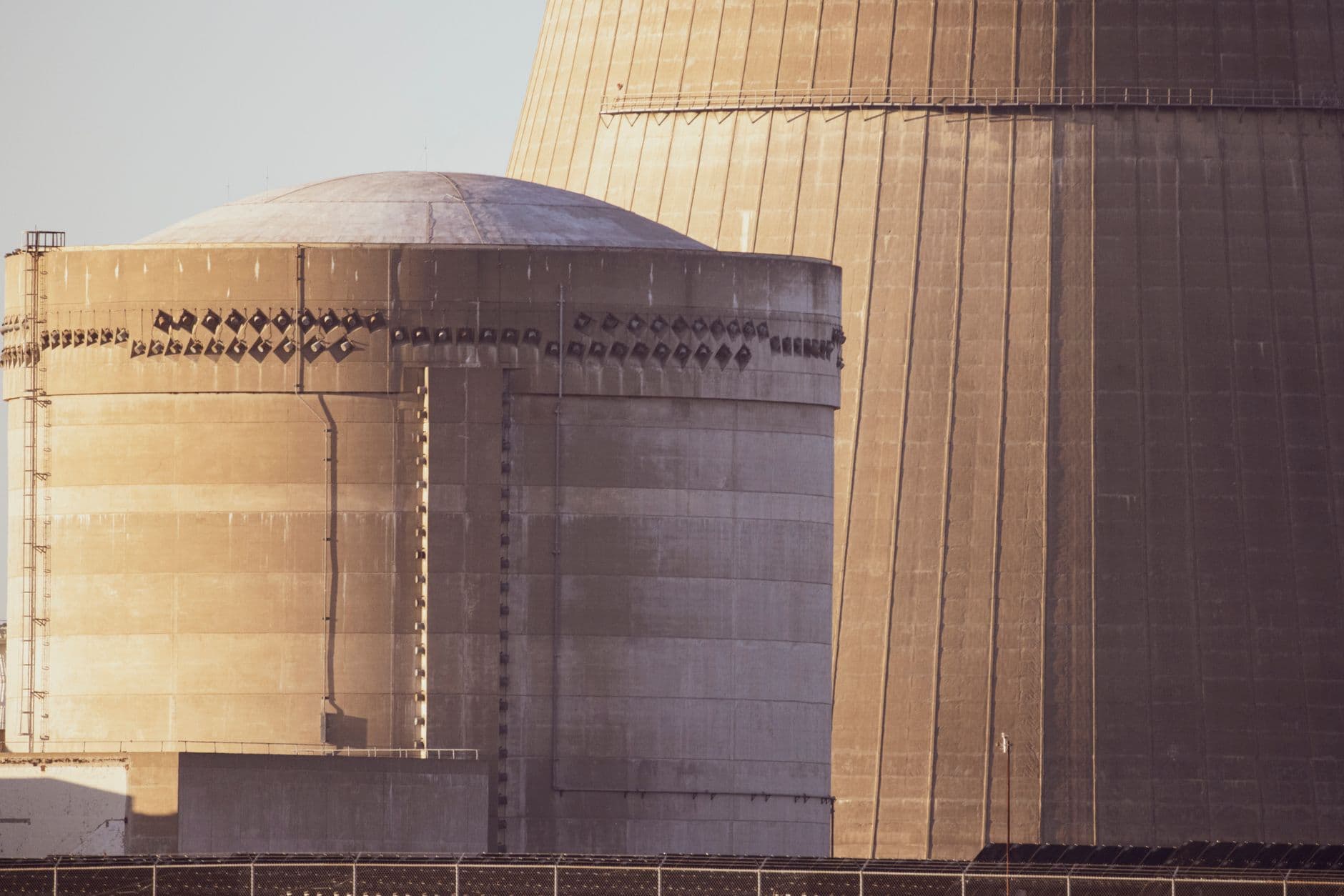
For BREST-OD-300, that matters because the simulator sits on the commissioning path, not beside it. The reactor is the central element of Rosatom’s Pilot Demonstration Energy Complex in Seversk, a showcase project inside the Proryv, or Breakthrough, program. Rosatom says the complex is meant to prove an on-site closed nuclear fuel cycle, with fabrication and refabrication of mixed uranium-plutonium nitride fuel and reprocessing of used fuel on the same site.

The reactor itself is a 300 MWe lead-cooled fast-neutron unit that Rosatom describes as the world’s first innovative, pilot-scale facility of its kind. The company also says the design relies on so-called natural safety principles and does not require a massive containment vessel, a core catcher, or extensive backup support systems. That makes operator training unusually important, because crews will be handling a reactor type that is not only advanced but structurally different from the light-water fleet most plant teams know best.
The simulator is not a shortcut to fuel loading, but it does move the project closer to it in practical terms. It lets operators drill normal startup sequences, abnormal events, and control-room coordination before the real unit is charged. It also supports the licensing work that has to be finished before first operation, which is especially important for a reactor that Rosatom says is meant to demonstrate closed-cycle fuel handling rather than just generate power.
Construction of the BREST-OD-300 power unit began on June 8, 2021, at the Siberian Chemical Plant, a TVEL Fuel Company enterprise in Seversk. Rosatom has also reported recent hardware progress across the site, including concreting for the turbine and generator foundation in May, installation of the turbine hall roof truss and central cavity shell earlier, and completion of the four peripheral cavity shells in December. Endurance testing is continuing on the prototype main circulation pump, which is expected to move 11 tonnes of molten lead per second at temperatures above 420C.
The simulator marks a serious commissioning milestone, but BREST-OD-300 still has a runway ahead before fuel loading and first operation. Rosatom’s own timeline points to an initial operating phase focused on performance, with commercial orientation expected only after about a decade, and the follow-on BR-1200 design waiting further down the road.
This article was produced by Prism’s automated news system from verified source data, official records, and press releases, then run through automated quality and moderation checks before publishing. The system is built and supervised by the people who set the standards it runs under. Read our full AI policy.
Did this article answer your question?