Senate Hearing Examines DOE Nuclear Energy Executive Order Implementation Progress
DOE's Theodore Garrish told senators three of 11 pilot reactors will hit criticality by July 4, 2026, despite his own initial doubts about the executive order's feasibility.
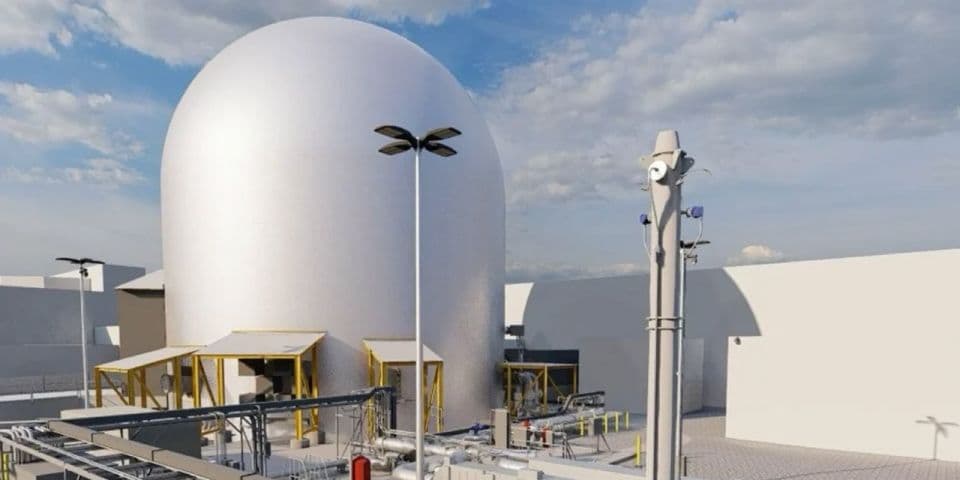
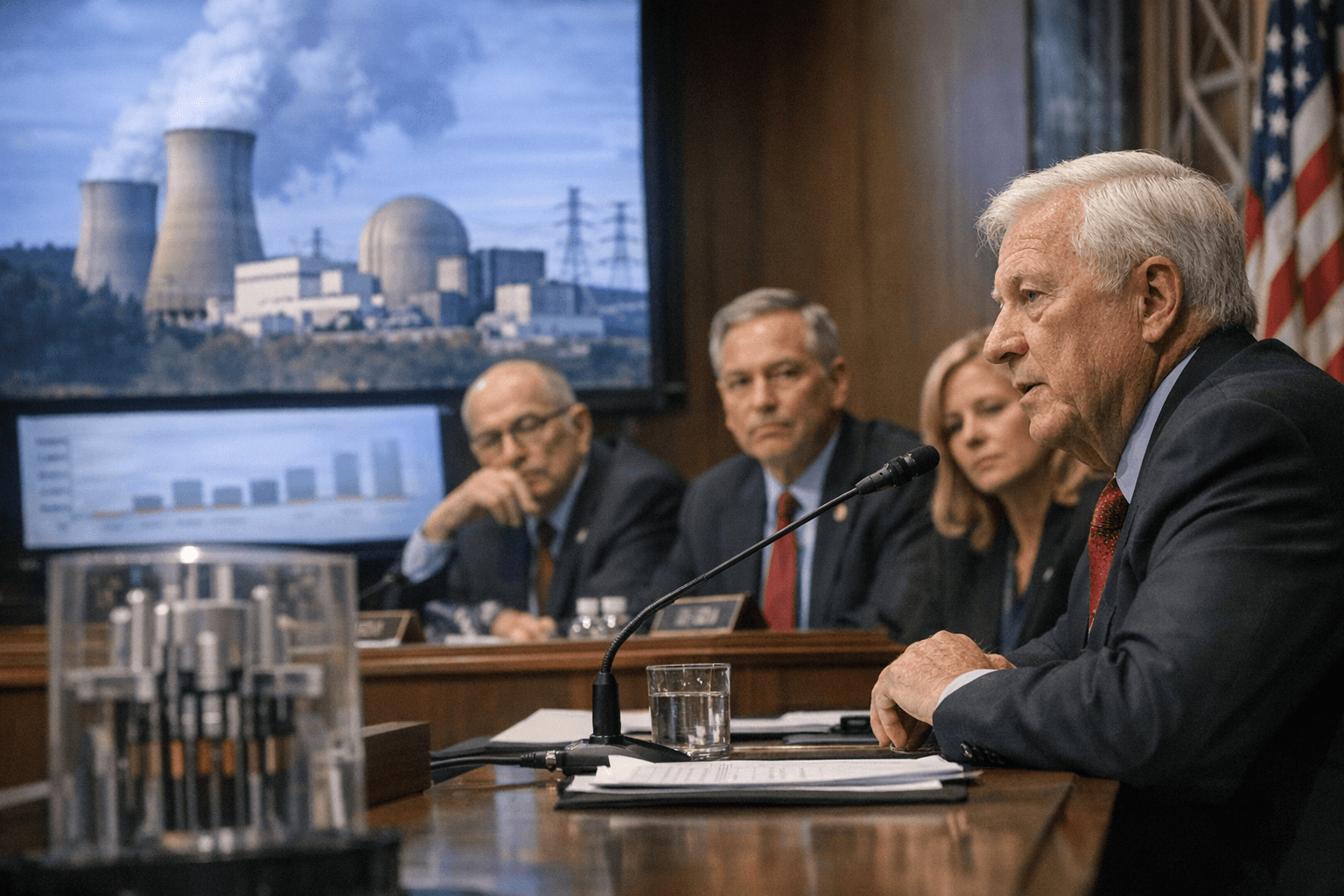
At least three of the 11 reactors enrolled in DOE's Nuclear Reactor Pilot Program are on track to achieve criticality by Independence Day, DOE Assistant Secretary for Nuclear Energy Theodore Garrish and Idaho National Laboratory Director Dr. John C. Wagner told the Senate Energy and Natural Resources Committee on March 19. The confirmation came during a full committee hearing called to examine how the Department of Energy has implemented President Trump's May 2025 nuclear energy executive orders, roughly 10 months after those orders reshaped federal nuclear policy.
Garrish's testimony carried a notable note of candor. "When I first saw the executive order . . . I couldn't imagine how that was going to be possible," he told the committee. That skepticism gave way to a more confident assessment: "We sent out requests for applicants and received 11. And out of that 11, it appears at least three or four will be able to meet that deadline." Garrish and Wagner both confirmed three reactors are expected to hit the criticality milestone by July 4, with additional reactors expected to follow later in 2026.
The program's July 4 target has drawn scrutiny, and the hearing gave senators their clearest picture yet of where things stand. The three-witness panel included not only Garrish and Wagner but also Kairos Power CEO Dr. Michael Laufer, with senators pressing all three on advanced reactors, cost overruns, domestic enrichment investments, and fuel recycling.
Wagner used his testimony to make a pointed case for clarifying the legal boundaries of DOE authority, identifying regulatory ambiguity as a serious risk to meeting the executive order's deployment goals. The current framework, rooted in the Atomic Energy Act and the Energy Reorganization Act, leaves undefined what qualifies as a "demonstration nuclear reactor" intended for "commercial application," a gap Wagner argued could push projects into NRC licensing timelines that directly conflict with the executive order's schedule. He recommended two specific statutory fixes: first, that Congress clarify DOE can authorize non-commercial demonstration reactors without NRC approval regardless of whether the design is eventually intended for commercial use; second, that DOE be explicitly authorized to approve commercial reactor projects on federal lands.
Wagner was careful to frame both recommendations not as a safety rollback but as a jurisdictional clarification. He pointed to DOE's existing authorization experience, noting the framework has supported 52 reactor operations at INL, as evidence that expanded authority would mean "applying a rigorous, experienced framework to a broader set of activities" rather than relaxing standards.
The urgency behind the hearing reflects a 400-GW deployment target that is shaping virtually every policy and program decision in this space. Supply chain vulnerabilities, regulatory ambiguities, and workforce gaps remain the three structural obstacles witnesses and reporters flagged as most capable of slowing the momentum, even as testimony described an American nuclear sector operating with a pace not seen in decades.
The pilot program's next concrete test arrives in roughly three and a half months. If three or more of the 11 enrolled reactors reach criticality by July 4, it will mark the first tangible validation that the May 2025 executive orders are producing measurable results rather than aspirational timelines.
This article was produced by Prism’s automated news system from verified source data, official records, and press releases, then run through automated quality and moderation checks before publishing. The system is built and supervised by the people who set the standards it runs under. Read our full AI policy.
Did this article answer your question?