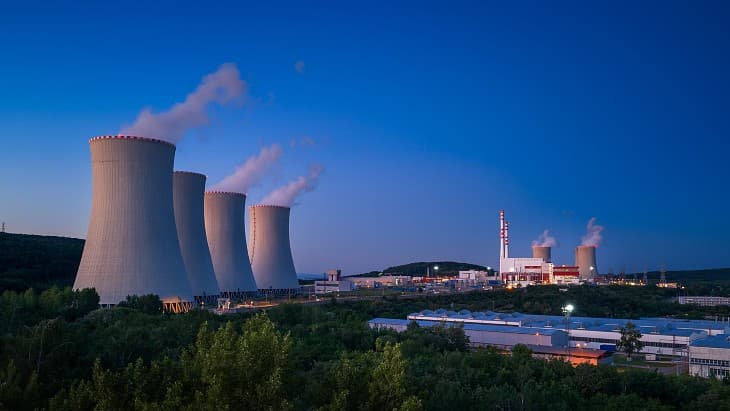
Southeast Asia Races to Build Nuclear Power for AI Data Centers
Malaysia alone has 500+ operational data centers and 1,140 more planned, and it's now racing five ASEAN neighbors to build nuclear power before the AI electricity crunch hits.
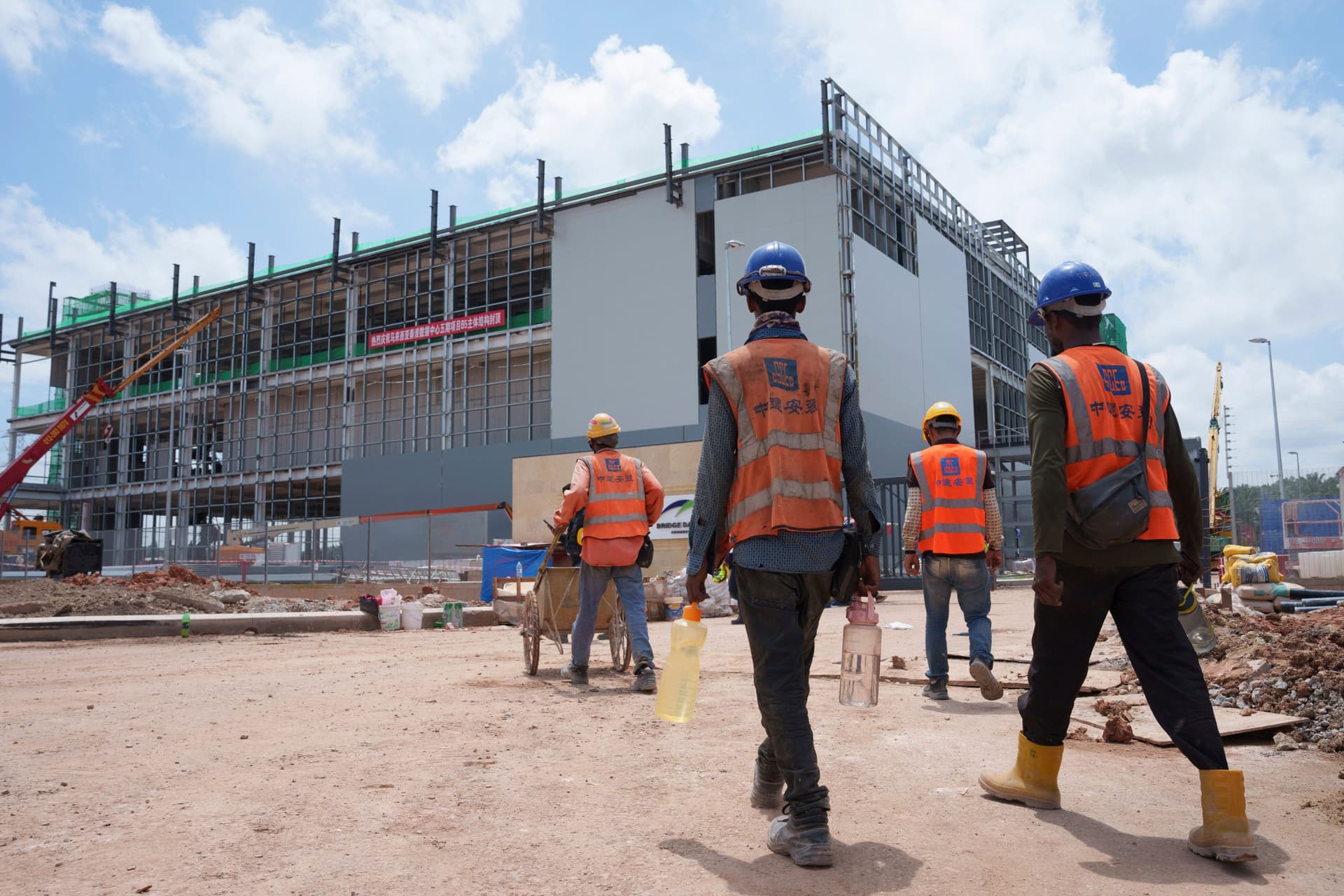
Southeast Asia has never produced a single watt of nuclear energy, despite long-held atomic ambitions. That record is now under serious pressure. The region will account for a quarter of growth in global energy demand by 2035, driven in part by more than 2,000 data centers already operating across Indonesia, Malaysia, Singapore, Thailand, Vietnam and the Philippines. The kicker: a standard AI data center consumes as much electricity as 100,000 households, according to the IEA. Governments across the region have done that math, and what they're reaching for is the atom.
Five of the 11 members of the Association of Southeast Asian Nations — Indonesia, Malaysia, Thailand, Vietnam and the Philippines — are chasing nuclear. Several of those nations are reviving mothballed nuclear plans and setting ambitious targets, and nearly half of the region could, if they pursue those goals, have nuclear energy in the 2030s.
Vietnam is the furthest along. Vietnam is building two nuclear plants, backed by Russian state corporation Rosatom. These are "nationally significant, strategic projects," according to Prime Minister Pham Minh Chinh. Vietnam's revised atomic energy law took effect in January. Vietnam and Russia also advanced a nuclear power deal this week as the region's energy security concerns intensified.
Indonesia added nuclear to its new energy plan last year, aiming to build two small modular reactors by 2034. Officials there say Canada and Russia have issued formal cooperation proposals and others will soon follow. Thailand set a target last year of adding 600 megawatts of nuclear generating capacity by 2037. Nuclear is a "promising solution" to supplying enough affordable, clean electricity to meet rising demand, officials with Thailand's Electricity Generating Authority told a conference in Bangkok.
The most data-center-dense case is Malaysia. Malaysia has more than 500 operational data centers. Another 300 or so are under construction and around 1,140 are planned, according to Ember. Malaysia revived its nuclear program last year and set a 2031 target for bringing atomic energy online. Malaysia aspires to be Southeast Asia's AI computing hub and has drawn investments and interest from tech giants like Microsoft, Google and Nvidia. "A lot more industries are expanding in Malaysia," said Zayana Zaikariah, with the Kuala Lumpur-based Institute of Strategic & International Studies, listing growing interest in data centers, semiconductors and mining. "Everything requires energy."
"Malaysia's decarbonization is both urgent and critical as rising demand from AI and data centers is anticipated," said Dinita Setyawati with Ember. "But the nuclear option should be approached cautiously."
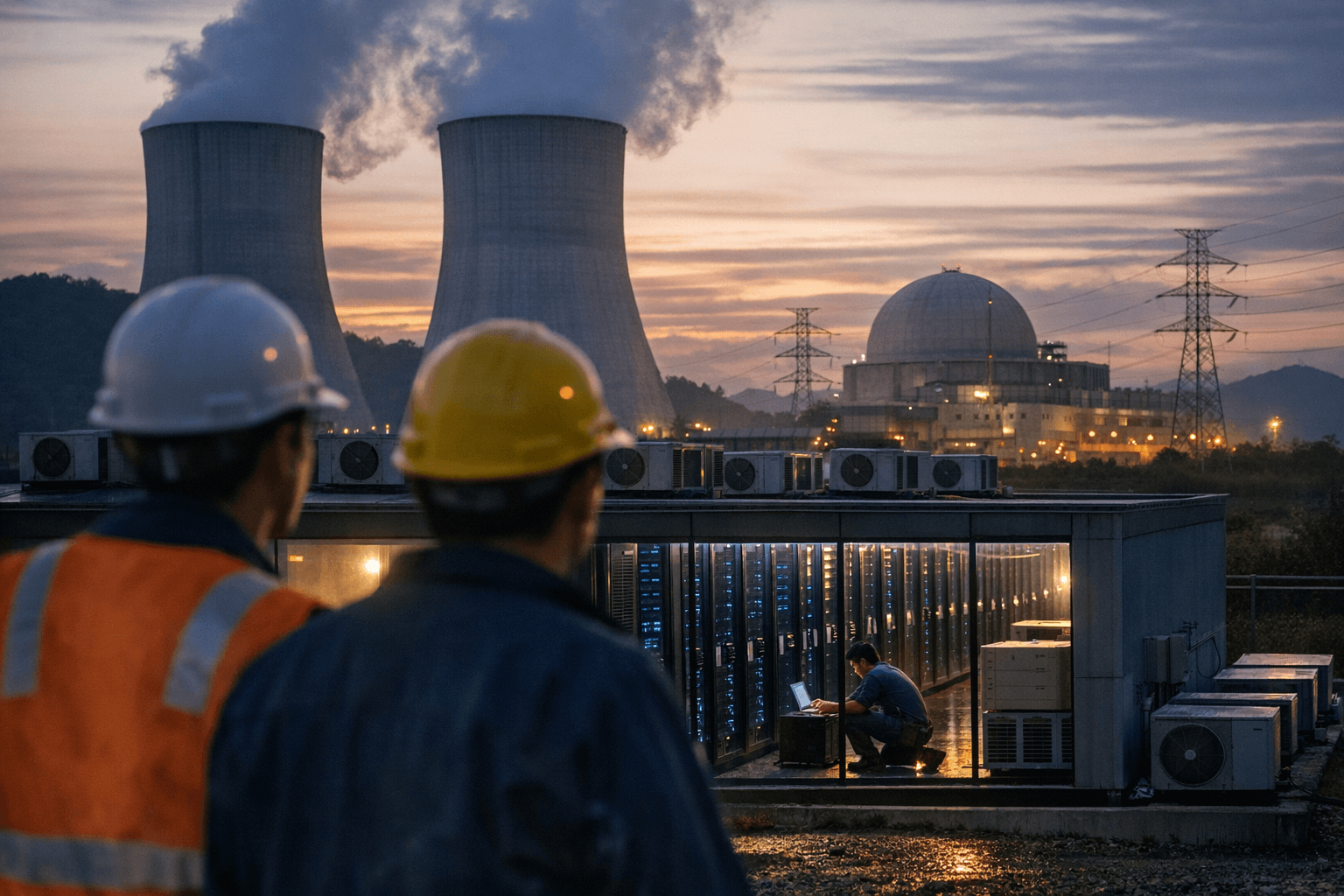
The urgency has another layer. The Iran war is underscoring the vulnerability of Asia's energy supplies, raising the sense of urgency about finding alternatives to oil and gas in Southeast Asia, analysts say. The surge in crude oil prices caused by the escalating conflict has raised the motivation for countries to speed up their nuclear efforts, said Alvie Asuncion-Astronomo of the Philippine Nuclear Research Institute.
No Southeast Asian nation has engaged with atomic energy more than the Philippines, which built a nuclear power plant in the 1970s that it never turned on. A new atomic energy regulatory authority launched last year will "usher in the integration of nuclear power," according to Philippine officials. The country set a 2032 target and approved a roadmap for potential investors in February.
Geopolitically, Washington has moved to position itself in this space. Secretary of State Marco Rubio signed an agreement with Malaysia last year, calling it "a signal to the world of how civil nuclear cooperation is something that is available." President Donald Trump also sees nuclear as a way to meet data center demands, and in 2025, he ordered the quadrupling of U.S. nuclear power within the next 25 years.
The regional push fits a wider global realignment. Nearly 40 nations, including the United States, Japan, South Korea and China, have joined a global push to triple installed nuclear energy capacity by 2050. Southeast Asia will account for nearly a fourth of the 157 gigawatts expected from "newcomer nuclear nations" by mid-century, according to the industry-backed World Nuclear Association. "There is a more serious, new and growing momentum for the development of nuclear energy in Southeast Asia," said King Lee, with the association.
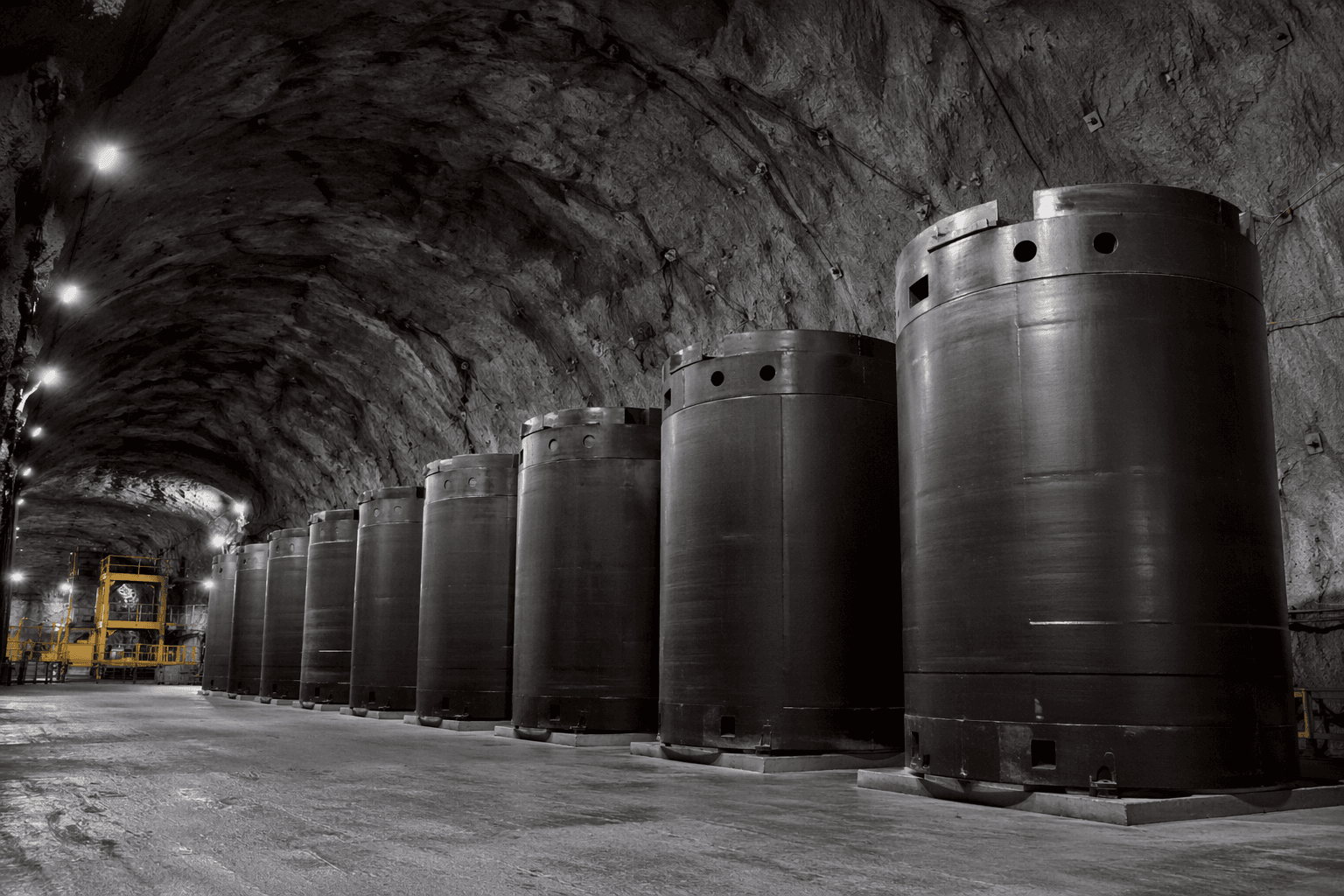
Concerns over nuclear safety, waste and supply remain. Public resistance flared after the cataclysmic 1986 Chernobyl and 2011 Fukushima nuclear meltdowns. But even Japan, which idled all its plants after that disaster, is restarting its nuclear plants. For a region that has never split an atom for its grid, the distance between ambition and operating capacity is still enormous. The AI data center boom may be the forcing function that finally closes it.
This article was produced by Prism’s automated news system from verified source data, official records, and press releases, then run through automated quality and moderation checks before publishing. The system is built and supervised by the people who set the standards it runs under. Read our full AI policy.
Did this article answer your question?