St Lucie nuclear plant gets licence renewal to 2056, 2063
The NRC’s latest renewal locks St. Lucie’s two reactors into service through 2056 and 2063, preserving 80-year output for Florida’s grid.
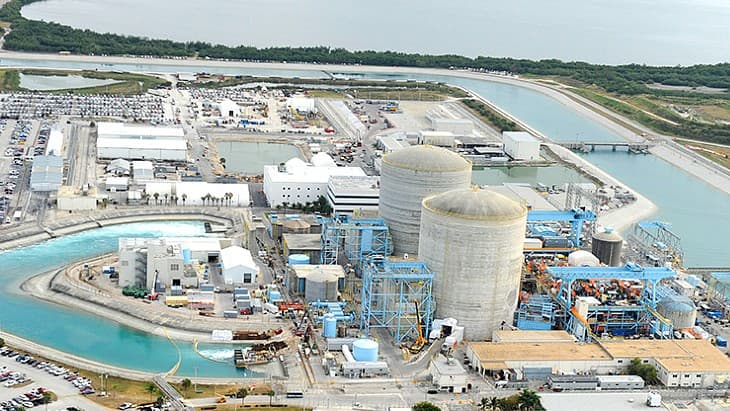
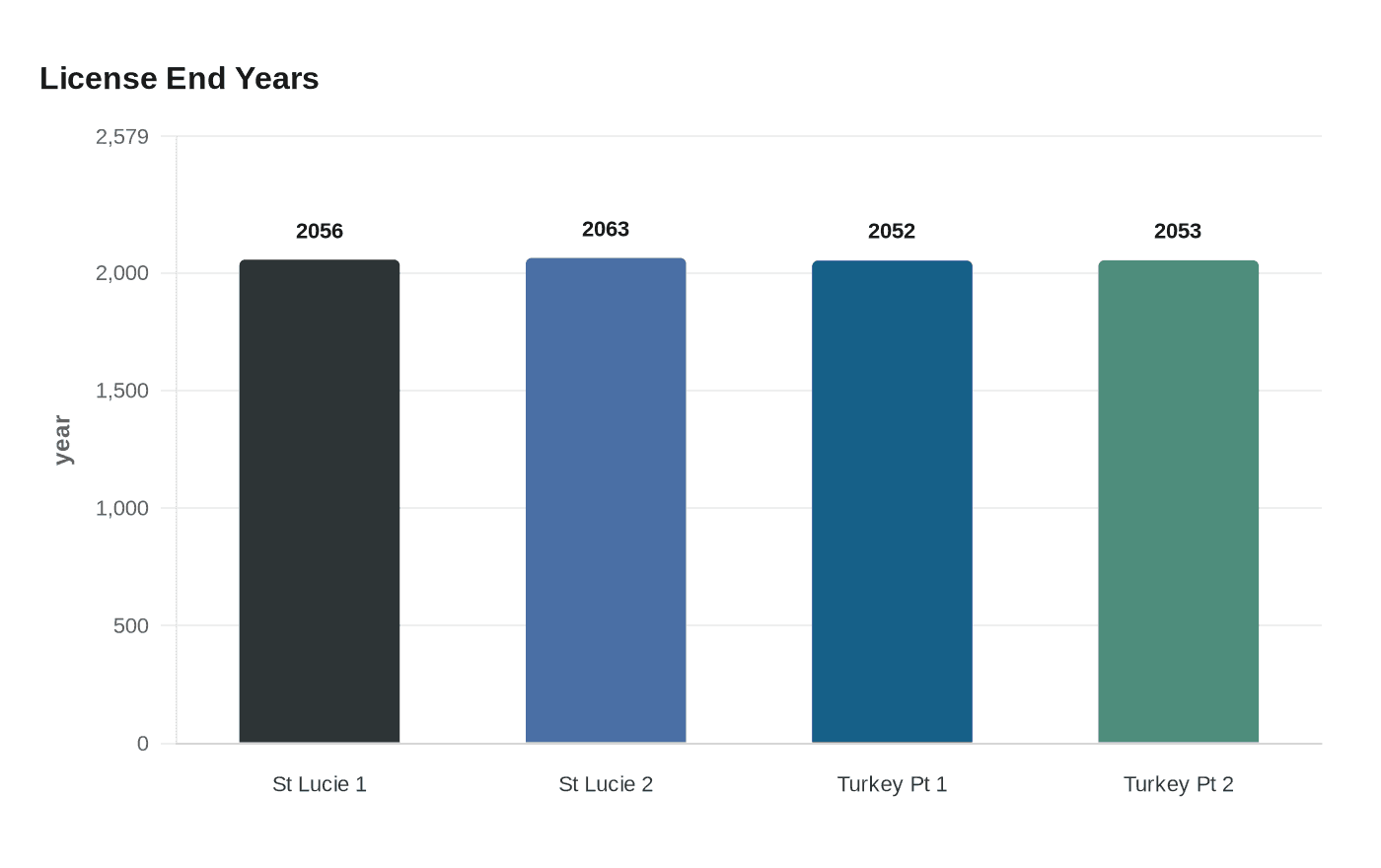
Florida Power & Light just cleared the last licensing step that can keep a U.S. commercial reactor running for as long as 80 years, turning St. Lucie’s next two decades into a hard asset for Florida’s grid. The U.S. Nuclear Regulatory Commission issued Subsequent Renewed Facility Operating License Nos. DPR-67 and NPF-16 for St. Lucie Units 1 and 2, giving the plant another 20 years of operation and extending service to 2056 for Unit 1 and 2063 for Unit 2.
That matters in plain economic terms. Every extra year St. Lucie stays online delays the need to replace a large block of carbon-free baseload power with new generation, new transmission, and new fuel contracts. The NRC’s framework is built for that math: initial licenses run 40 years, first renewals add 20 more years, and subsequent renewals add another 20 years, with the regulatory focus shifting to aging management for the 60-to-80-year period.
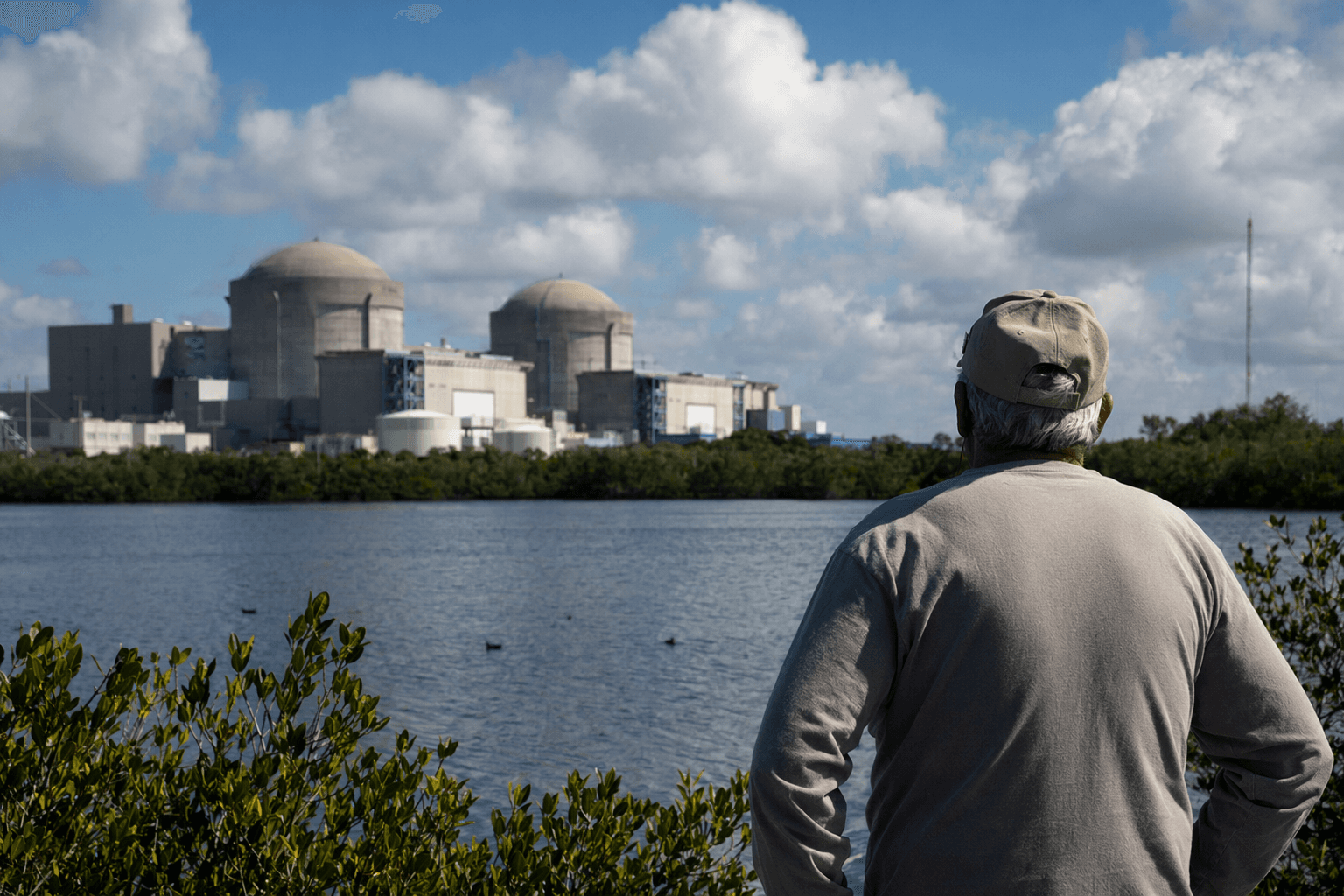
St. Lucie’s path shows how that process works in practice. Unit 1 began commercial operation in 1976 and Unit 2 in 1983, then each received a 20-year extension in 2003 that moved their operating horizons to 2036 and 2043. The latest approval came after years of review, including a safety evaluation issued on July 21, 2023, a Revision 1 update on September 1, 2023, a draft supplemental environmental impact statement published in December 2025, and a final EIS in March 2026.
The plant has also been upgraded rather than simply preserved at legacy output. In 2012, the NRC approved a power uprate that lifted Unit 2 from about 853 MWe to 1,002 MWe, and a similar uprate for Unit 1 was approved on July 9, 2012. That combination of life extension and higher output is the real precedent here: St. Lucie is not just old capacity being kept alive, but a mature asset being engineered into a larger long-term supply role.
The comparison that matters is Turkey Point. Its two units received subsequent license renewals in 2024 and are now set to operate through 2052 and 2053, giving Florida Power & Light a clear fleet template for the 80-year pathway. St. Lucie now follows that same route, making the approval a signal for the rest of the U.S. nuclear fleet, not just one coastal plant near Jensen Beach and Hutchinson Island, about 195 kilometres north of Miami.
For Florida, the payoff is immediate and concrete. FPL says St. Lucie supplies enough electricity for more than 1 million homes and businesses, supports about 400 permanent jobs, and contributes more than $42 million a year in county taxes. That is what the NRC decision buys: preserved generation, deferred replacement costs, and a longer runway before Florida has to build something new to take its place.
This article was produced by Prism’s automated news system from verified source data, official records, and press releases, then run through automated quality and moderation checks before publishing. The system is built and supervised by the people who set the standards it runs under. Read our full AI policy.
Did this article answer your question?