Switzerland says Gösgen, Leibstadt could run for 80 years
Switzerland’s long-lived reactors could become a far longer bridge than expected, if Gösgen and Leibstadt clear the safety and investment hurdles for 80 years.
_58707.jpg&w=1920&q=75)
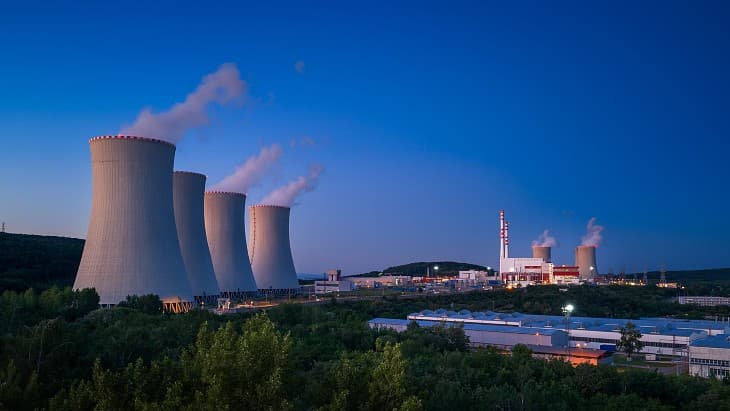
Switzerland’s existing nuclear fleet could end up doing far more of the heavy lifting than many assumed. A report adopted by the Swiss Federal Council said Gösgen and Leibstadt could run for 80 years, technically, and in several scenarios profitably, turning two midlife reactors into a much longer bridge for national electricity supply.
That matters because Switzerland only has four operating reactors, two at Beznau, one at Gösgen and one at Leibstadt, and together they generate about one-third of the country’s electricity. The study, commissioned by the Swiss Federal Office of Energy and prepared by Frontier Economics and Siempelkamp NIS, focused on what comes after the 60-year mark. Its central message was not that the plants can coast, but that keeping them online would require real capital, clearer regulation and a strong safety case.
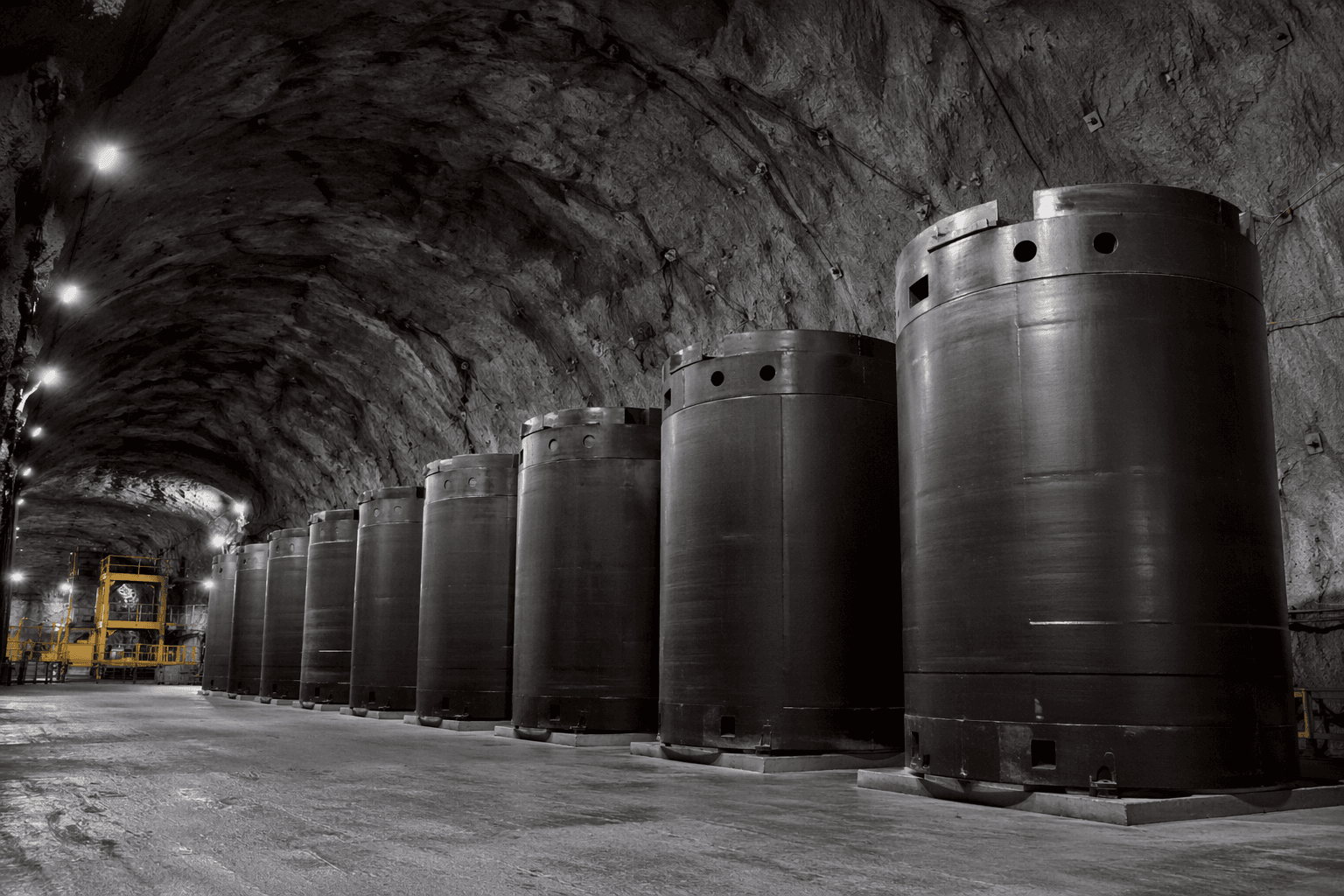
The upgrade bill is part of the story. The report put the needed investment at CHF0.7 billion to CHF1.2 billion, a range that makes long-term operation look less like routine upkeep and more like a major industrial commitment. That spending would have to support technical upgrades, ageing management and the regulatory scrutiny that comes with running beyond the original design life.
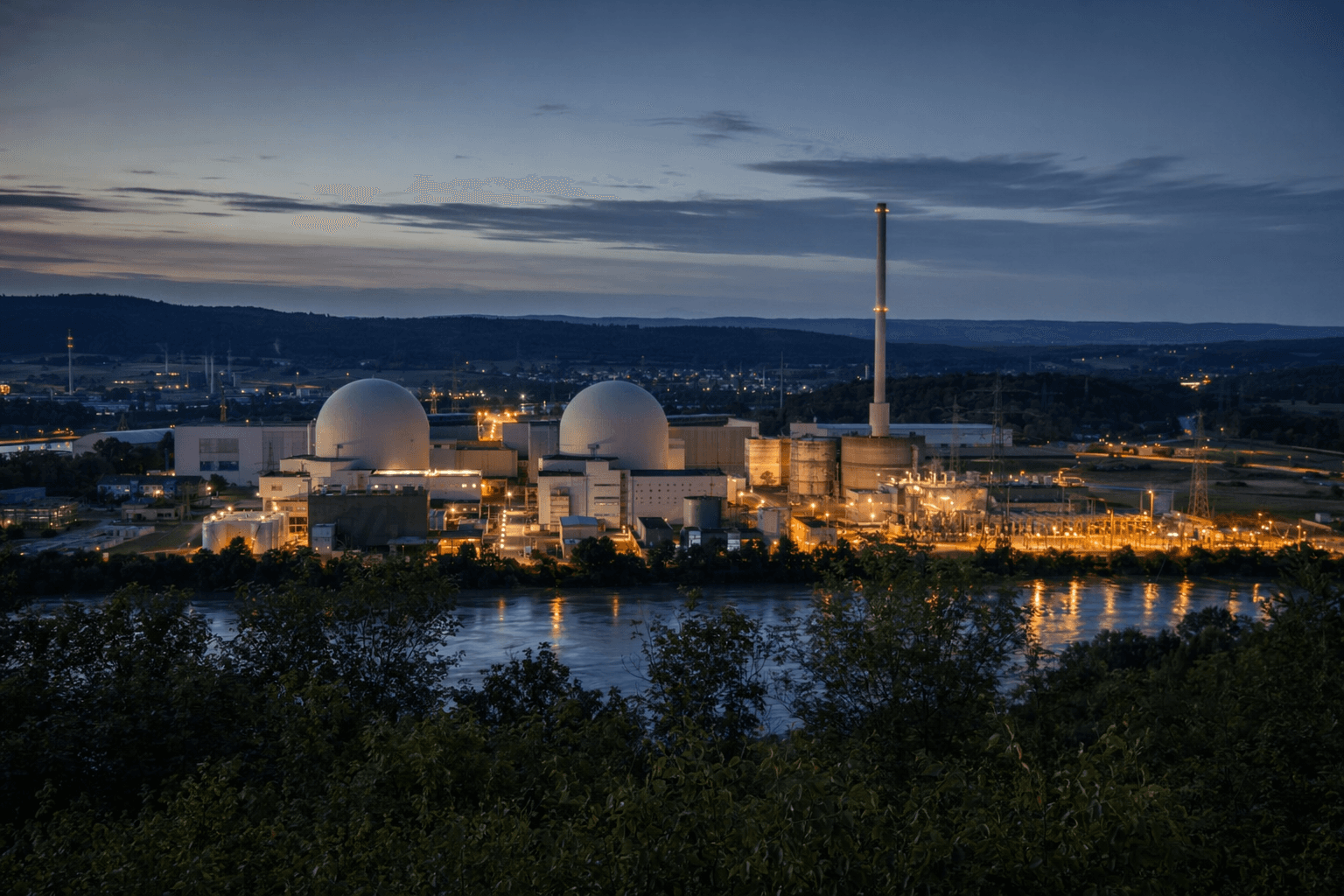
The Swiss licensing framework gives operators room to do that. Reactor licences are not tied to a fixed age, so the question is not whether Gösgen and Leibstadt have reached a legal expiry date. Under the Nuclear Energy Act, ENSI says operators remain responsible for safe and secure operation, and continued running depends on meeting safety requirements. In other words, the debate is about evidence, investment and politics, not an automatic shutdown clock.
The policy backdrop has already shifted toward continuity. Swiss voters approved Energy Strategy 2050 in 2017, and the framework does not call for replacing existing nuclear plants when they reach the end of their lifecycle. That leaves long-term operation as a live option for a country still balancing decarbonisation, grid reliability and winter adequacy. The report said longer running could help address seasonal electricity shortages, a practical argument that gives the file real weight in grid planning.
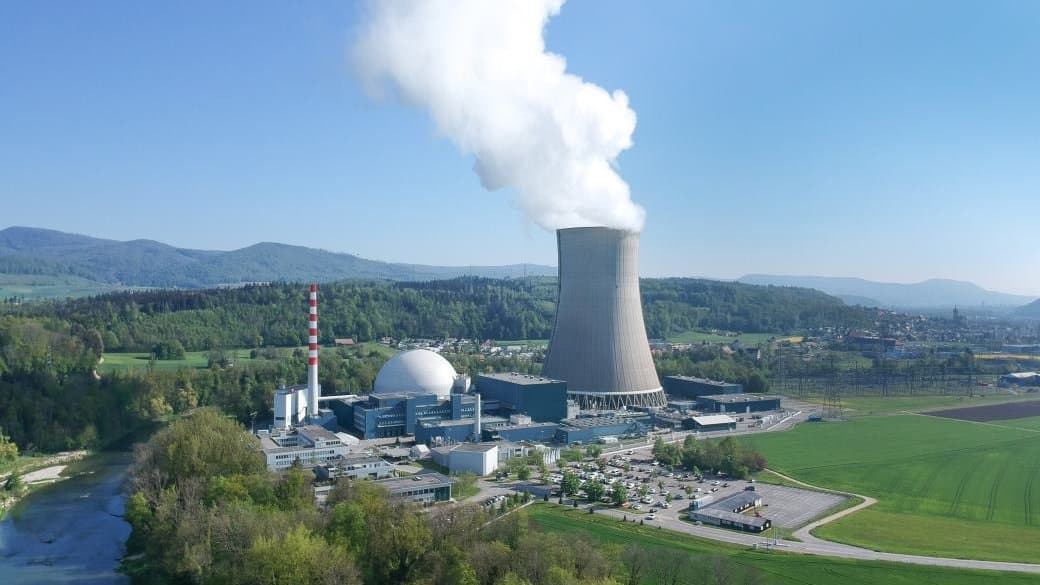
The timeline is striking. Gösgen began commercial operation in 1979, and Leibstadt followed in 1984. An 80-year horizon would carry Gösgen to roughly 2059 and Leibstadt to about 2064. That is the point of the new study: Switzerland is no longer treating long-lived operation as an edge case. It is being folded into the country’s electricity plan as a plausible way to delay replacement pressure while the politics of nuclear stay as sharp as ever.
This article was produced by Prism’s automated news system from verified source data, official records, and press releases, then run through automated quality and moderation checks before publishing. The system is built and supervised by the people who set the standards it runs under. Read our full AI policy.
Did this article answer your question?