Switzerland's Upper House Votes to Lift Ban on New Nuclear Plant Construction
Switzerland's Senate voted 26-12 to lift the nine-year ban on new nuclear plant construction, with Energy Minister Albert Rösti warning a national referendum is likely.

Switzerland's Council of States voted 26 to 12 with three abstentions on March 13 to back the federal government's counterproposal to lift the country's ban on building new nuclear power plants, reopening a debate that voters appeared to settle in 2017. One outlet, Brusselssignal, reported the tally as 27 to 13 with two abstentions, though a majority of reports citing Swiss Parliament figures place it at 26-12-3.
The measure is framed as an indirect counterproposal to the popular initiative formally titled "Electricity for everyone at all times (Stop the blackout)," launched by centre-right lawmakers and business representatives seeking a constitutional amendment to allow all electricity generation technologies that meet environmental standards, nuclear included. Rather than pursue that constitutional route, the Federal Council proposed amending the Nuclear Energy Act directly, removing provisions that prohibit general licences for new nuclear facilities. The government's rationale was explicit: "In the interests of responsible planning of electricity supply security, the Federal Council is therefore striving for technological openness."
The political alignment in the small chamber broke predictably along ideological lines, with one crucial exception. The Swiss People's Party and the Free Democratic Party drove support for the counterproposal, but the pivotal movement came from The Centre Party, whose members largely backed the measure despite having opposed it during the Federal Council's earlier consultation phase. Centre representatives voted down a left-wing motion to shelve the proposal entirely, which tipped the balance. The council's Environment, Spatial Planning and Energy Committee had already signalled the direction of travel in January 2026, backing the proposal by 10 votes to 2 with abstentions.
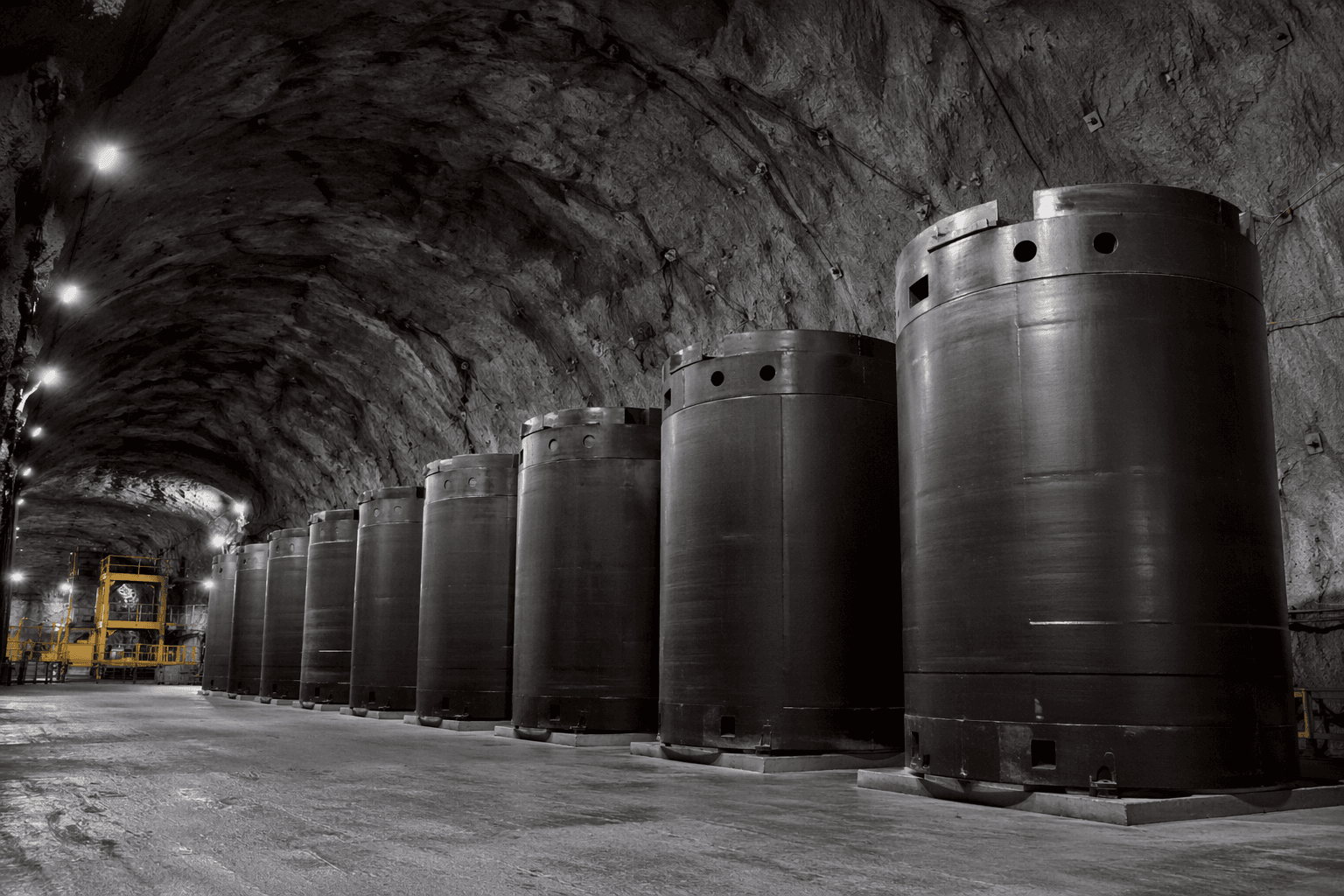
The Social Democratic Party, the Greens, and the Green Liberal Party opposed the measure, warning that new reactors would take decades to construct and potentially could not come online before 2050, raising serious questions about their utility for near-term supply challenges. Critics also flagged that Switzerland still lacks a long-term solution for nuclear waste and that the move risks diverting investment away from renewables. The day before the vote, Greenpeace delivered a protest letter to parliament carrying more than 22,000 signatures opposing a return to nuclear power.
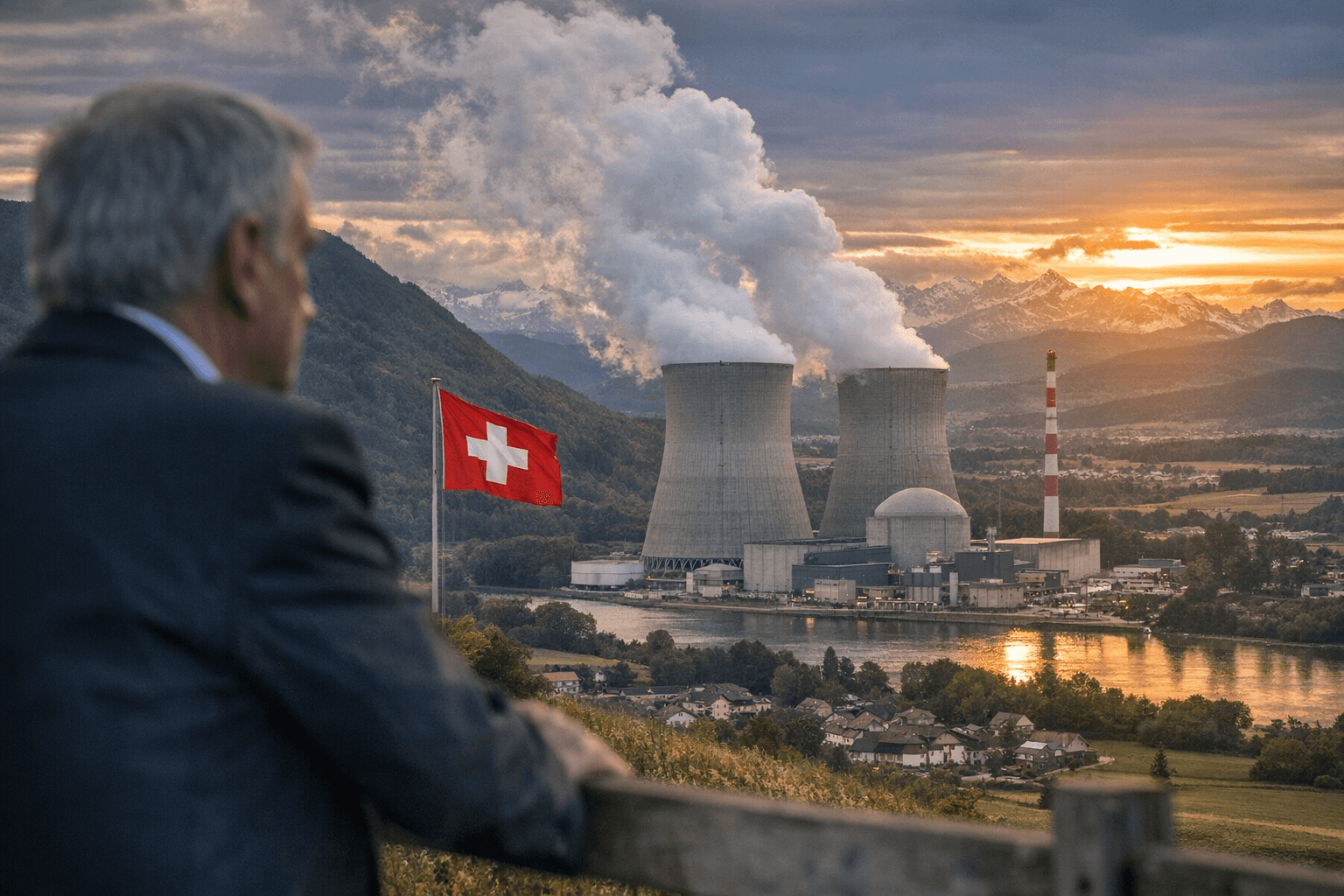
Switzerland currently operates four reactors across three sites: Beznau I and II, Gösgen, and Leibstadt. Those plants collectively produce roughly one-third of the country's electricity, though all are ageing and expected to be phased out in the coming years. There is no statutory lifetime limit on the existing reactors. The Mühleberg plant, by contrast, was shut down on 20 December 2019. Gas-fired capacity is not considered a viable replacement under Switzerland's net-zero-by-2050 target, leaving firm low-carbon generation as the central policy problem driving this debate.
Lifting the ban would not automatically produce new reactors. Any specific project would still need to clear the full licensing process and could face referendums at both local and national level. Energy Minister Albert Rösti has said a nationwide referendum on the issue is likely. The proposal now moves to the National Council, Switzerland's lower house, where a heated debate is expected before any vote takes place.
This article was produced by Prism’s automated news system from verified source data, official records, and press releases, then run through automated quality and moderation checks before publishing. The system is built and supervised by the people who set the standards it runs under. Read our full AI policy.
Did this article answer your question?