Toshiba’s 4S microreactor concept finds new life in Zap Energy design effort
Zap Energy is reviving Toshiba’s 4S as a fission design, and the real test is whether remote-power demand, factory-built hardware, and licensing tools finally make it viable.
A small reactor idea is back in the frame
Toshiba’s 4S was built around a problem that still looks familiar: how to deliver reliable power where diesel is expensive, logistics are hard, and maintenance crews are scarce. Now Zap Energy, better known for fusion, is starting from the 4S concept and using modern design tools to push toward a first fission product, which makes this more than a historical callback. It is a live commercial question: can an old small-reactor architecture fit today’s microreactor market better than it could when it was first proposed?
What the 4S was designed to be
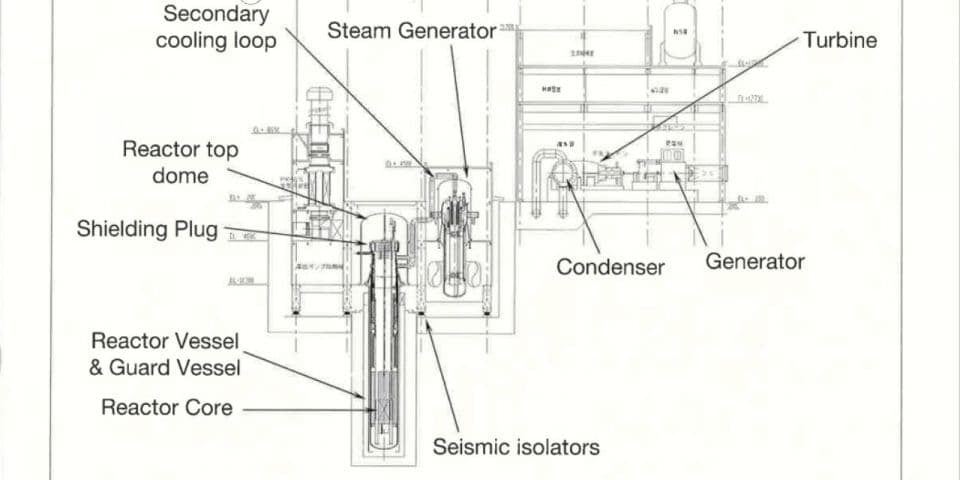
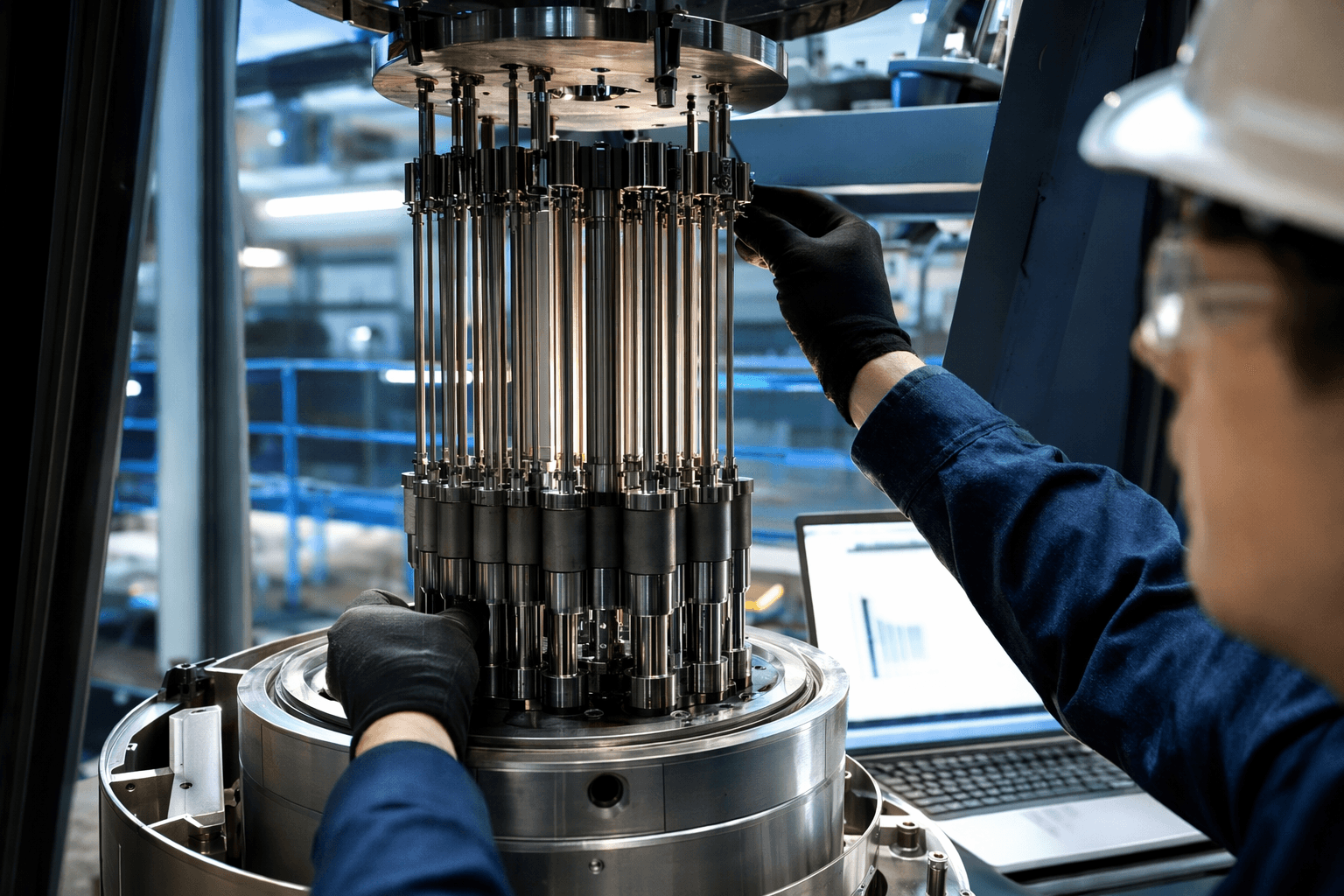
Toshiba described the 4S as a small sodium-cooled fast reactor with natural-circulation cooling and passive internal equipment meant to reduce maintenance. The company said the design could avoid refueling for as long as 30 years, which put it in the same operational logic now associated with microreactors and other remote, low-touch nuclear systems. In practical terms, the concept aimed to replace a lot of site work with factory-made reliability.
Independent technical summaries from the International Atomic Energy Agency and OSTI add another layer to the picture. They describe a 10 MW electric version with a 30-year non-refueling core and a 50 MW electric version with a 10-year refueling interval, and note that burnup reactivity loss is handled by moving neutron reflector panels rather than traditional control rods. That detail matters because it shows how the design tried to keep the core simple while extending operating life, one of the same selling points that now defines many microreactor pitches.
Why Galena became the proving ground
The original deployment target was Galena, Alaska, a small off-road, off-grid community of roughly 500 people, about 65 percent Alaska Native, with Athabaskan roots. It sits about 270 miles from Fairbanks, can receive cargo by barge only for about three to four months a year, and relies on air passenger and cargo service year-round. The U.S. Department of Energy has described the town as still relying on an existing diesel power plant and microgrid, which is exactly the kind of energy system that makes a compact, sealed reactor look appealing.
That is the core reason the 4S still draws attention. It was not pitched as a prestige project for a large utility. It was aimed at a community where lower fuel costs, fewer shipments, and better energy security could matter every day. The promise was not just electricity, but heat and resilience in a place where every ton of diesel has to be moved through difficult logistics.
The regulatory trail shows how hard the path was
Toshiba’s effort did not stop at concept art. The U.S. Nuclear Regulatory Commission’s pre-application review for the 4S began in the fourth quarter of 2007, and NRC-Toshiba meetings were held in October 2007 and then in February, May, and August 2008. Toshiba kept submitting technical reports into 2011, including material tied to the Principal Design Criteria.
That timeline says a lot about the era. The 4S was entering a licensing system built for large, familiar reactors, not for a sealed, factory-built microreactor meant to sit in a remote community for decades without refueling. The project moved forward technically, but slowly enough that deadlines slipped and momentum faded. Even so, the record shows that the concept was serious enough to spend years in front of regulators, not just months in a press release cycle.
What has changed enough to revive it
This is where the story stops being nostalgia. The modern market looks more receptive to the very features that once felt unusual. Remote power demand is still real, now joined by industrial sites, data-center interest, and military or resilience-focused applications that prize compact footprint, long core life, and minimal on-site staffing. The 4S was built around those assumptions before they became common industry talking points.
What has changed most is the toolchain and the business model. Zap Energy says publicly that it is now an integrated nuclear energy company working on both fission and fusion technologies, and industry coverage says the fission move is meant to diversify revenue while the company continues fusion work. That is a meaningful shift from the older model, where a single-reactor concept had to justify itself on its own. Today, a design effort can be part of a broader company strategy, with near-term fission revenue helping support longer-term fusion development and a commercial target in the early 2030s.
Why the 4S still faces a hard commercial test
The revival case is stronger than it was two decades ago, but it is not automatic. The question is not whether the 4S had clever engineering, because it clearly did. The question is whether today’s market rewards the exact combination it offered: sodium cooling, passive systems, long refueling intervals, and a remote siting logic tied to a tiny off-grid community.
There is still a gap between a concept that makes sense and a product that can be licensed, financed, and manufactured at scale. Modern microreactor buyers want simplified construction, predictable regulatory paths, and an operating model that reduces both logistics and headcount. The 4S lines up with those goals on paper, but the licensing burden remains real, and the commercial world now includes dozens of companies chasing the same prize.
Why this matters now
The most important part of the 4S story is that it shows how nuclear ideas cycle back when market needs catch up with old engineering. Toshiba’s concept was ahead of its time in some respects, especially in its sealed-core, remote-power logic. Zap Energy’s decision to start from that design suggests that the industry now sees value in revisiting architectures that were once too early, too specialized, or too hard to place in the market.
That makes the 4S relevant again not as a museum piece, but as a test case. If today’s microreactor market can absorb a design that was first shaped around Galena, Alaska, and later pushed through early NRC scrutiny, then the revival will signal something bigger than one reactor concept. It will show that the gap between old advanced-reactor ideas and commercial reality has finally narrowed enough for the industry to try again.
This article was produced by Prism’s automated news system from verified source data, official records, and press releases, then run through automated quality and moderation checks before publishing. The system is built and supervised by the people who set the standards it runs under. Read our full AI policy.
Did this article answer your question?