Ames Lab AI tool speeds search for fusion reactor materials
DuctGPT can scan huge refractory-alloy spaces in seconds, aiming to fix tungsten’s brittleness without giving up fusion-grade heat tolerance.
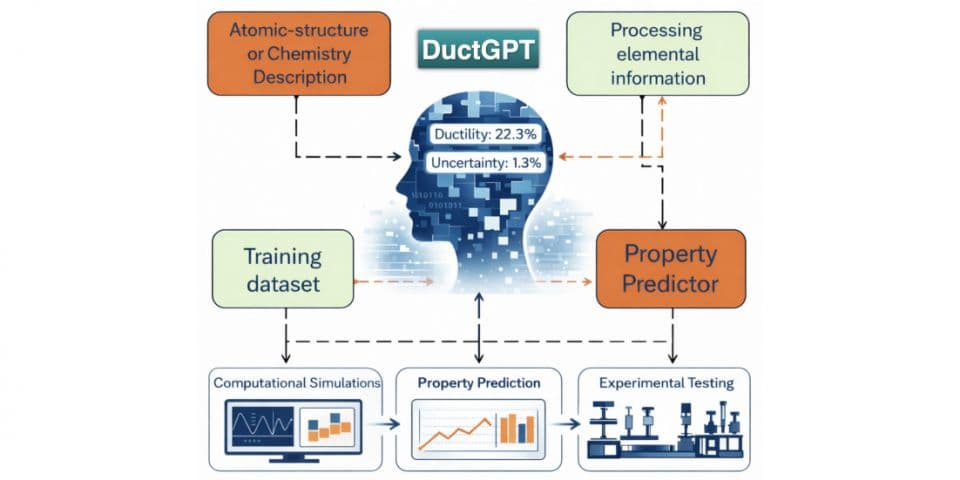
Ames National Laboratory has pushed one of fusion’s ugliest bottlenecks, materials screening, into the AI lane. Its new DuctGPT workflow is built to hunt for plasma-facing alloys that can survive extreme heat, radiation and mechanical stress, and it can explore huge numbers of candidate combinations in seconds instead of grinding through them one by one.
Led by Ames Lab scientist Prashant Singh, the project focuses on tensile ductility in refractory multi-principal element alloys, the class of materials fusion engineers keep circling because they are hard to work with but potentially tough enough for the job. The model started with AtomGPT from the National Institute of Standards and Technology, then was modified and fine-tuned with materials-science data so it could handle practical design questions for fusion applications. The paper was published in Acta Materialia, and its abstract says the work was supported by the U.S. Department of Energy’s ARPA-E CHADWICK program.
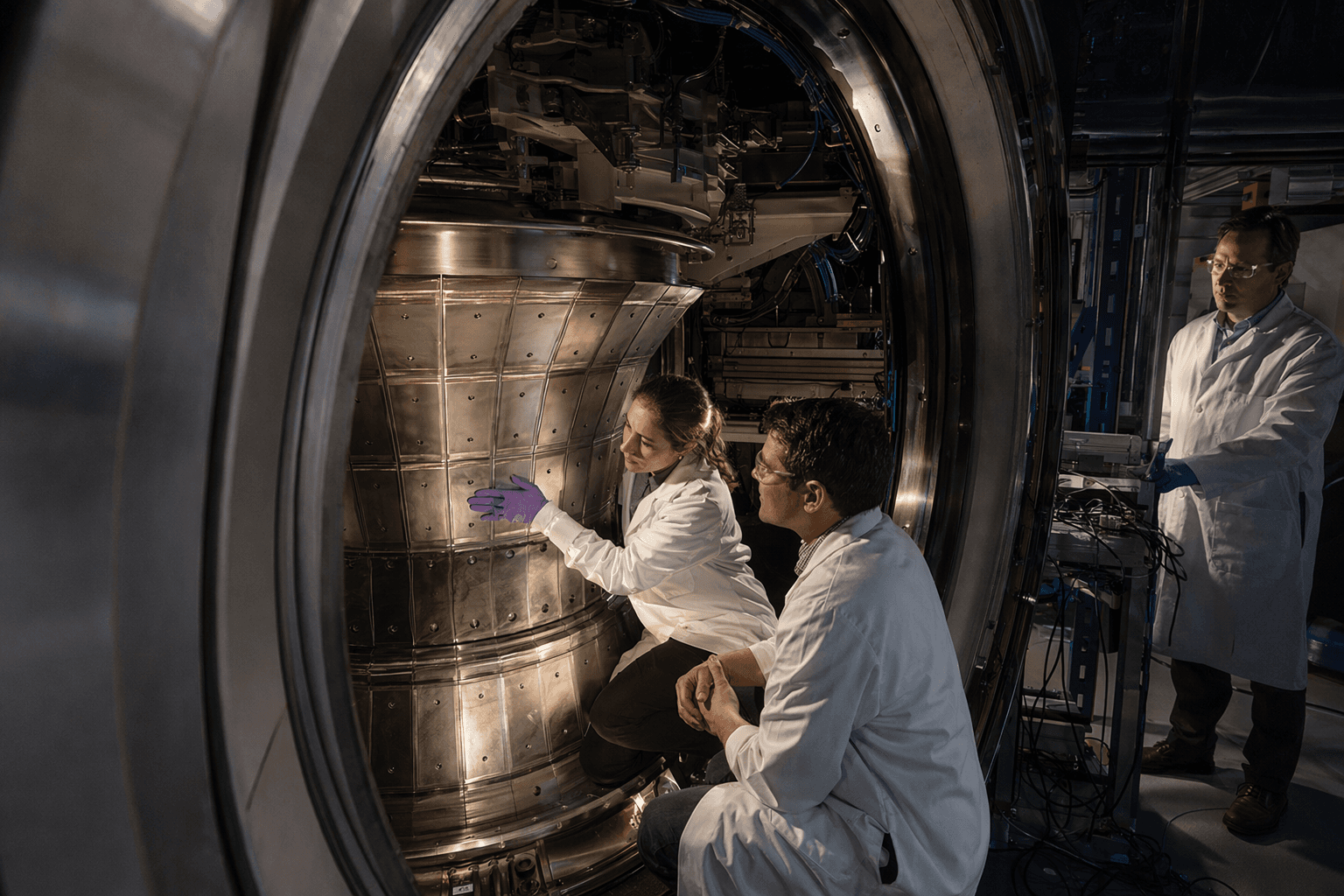
The practical target is tungsten, still the default answer for many plasma-facing components because it brings high melting point, strong thermal conductivity and solid strength to the table. But tungsten has a stubborn weakness: low-temperature tensile ductility. In the real world, that brittleness and the ductile-to-brittle transition are what make the materials problem so expensive. A composition that looks good in a model but cracks during fabrication or service does not move fusion hardware forward.
That is why ITER matters here. The international reactor has been using tungsten for divertor and plasma-facing components, and it has spent years high-heat-flux testing full-scale tungsten prototype sections to prove they can stand up to demanding thermal conditions. DuctGPT does not replace that kind of qualification work, but it could trim the front end of the process by narrowing the field before the furnace, the test cell and the prototype line get involved.
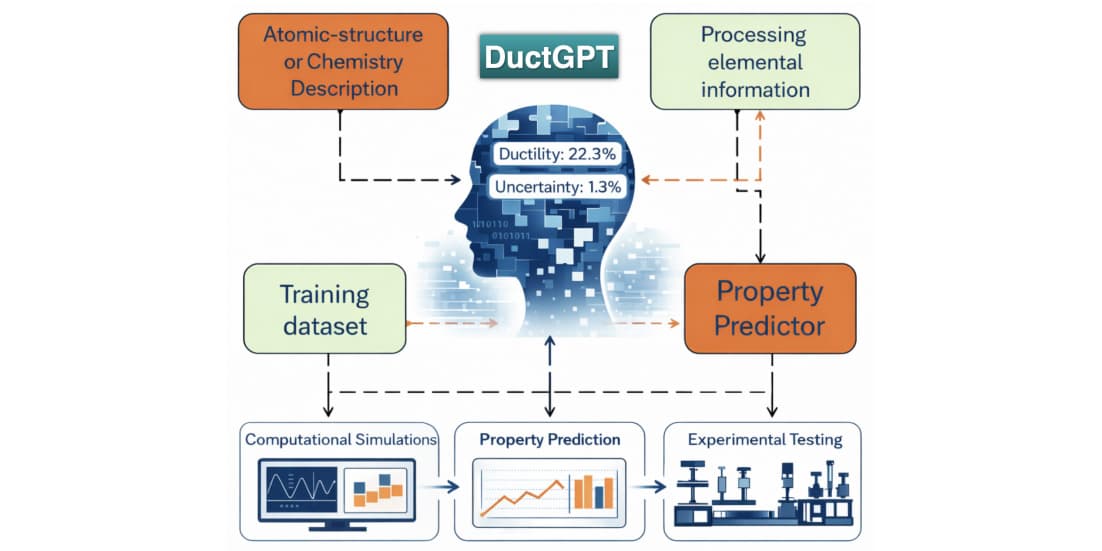
That is the difference between an interesting AI demo and something that could actually shorten development time. If DuctGPT helps researchers eliminate dead-end alloy families faster, it may reduce the experimental workload that sits between a promising composition and a piece of hardware that can survive in a reactor. That fits squarely inside the Department of Energy’s fusion roadmap, which treats plasma-facing components and structural materials as core problems, and it plays to Ames Laboratory’s broader materials mission, including a Division of Critical Materials track record that has earned more than a dozen R&D 100 Awards.
This article was produced by Prism’s automated news system from verified source data, official records, and press releases, then run through automated quality and moderation checks before publishing. The system is built and supervised by the people who set the standards it runs under. Read our full AI policy.
Did this article answer your question?