UK Launches £2.5 Billion Fusion Strategy, Partnering With Tokamak Energy
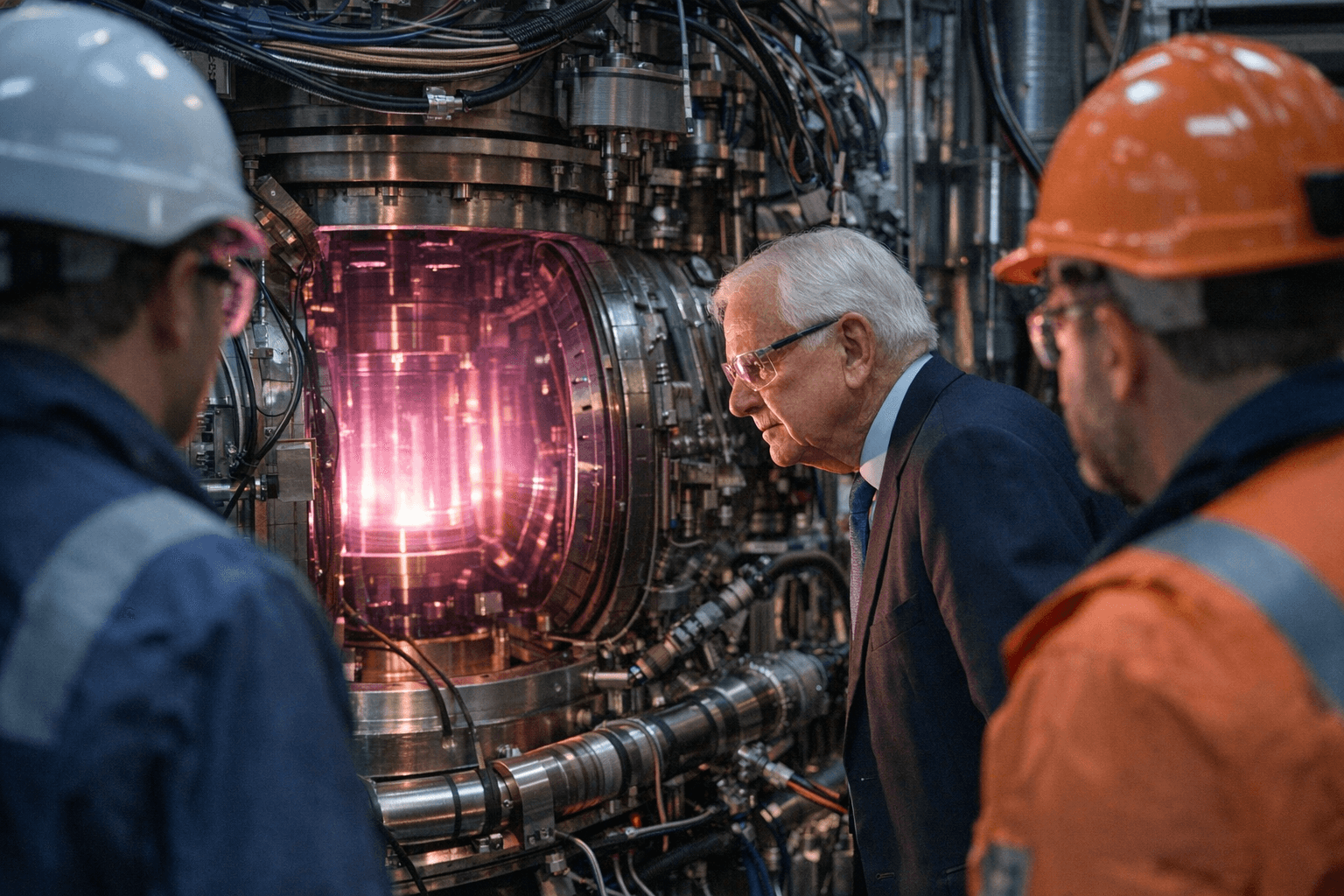
Lord Vallance toured Tokamak Energy's ST40 as the UK unveiled a £2.5bn, five-year fusion strategy anchored by a £200m construction contract for the STEP plant.
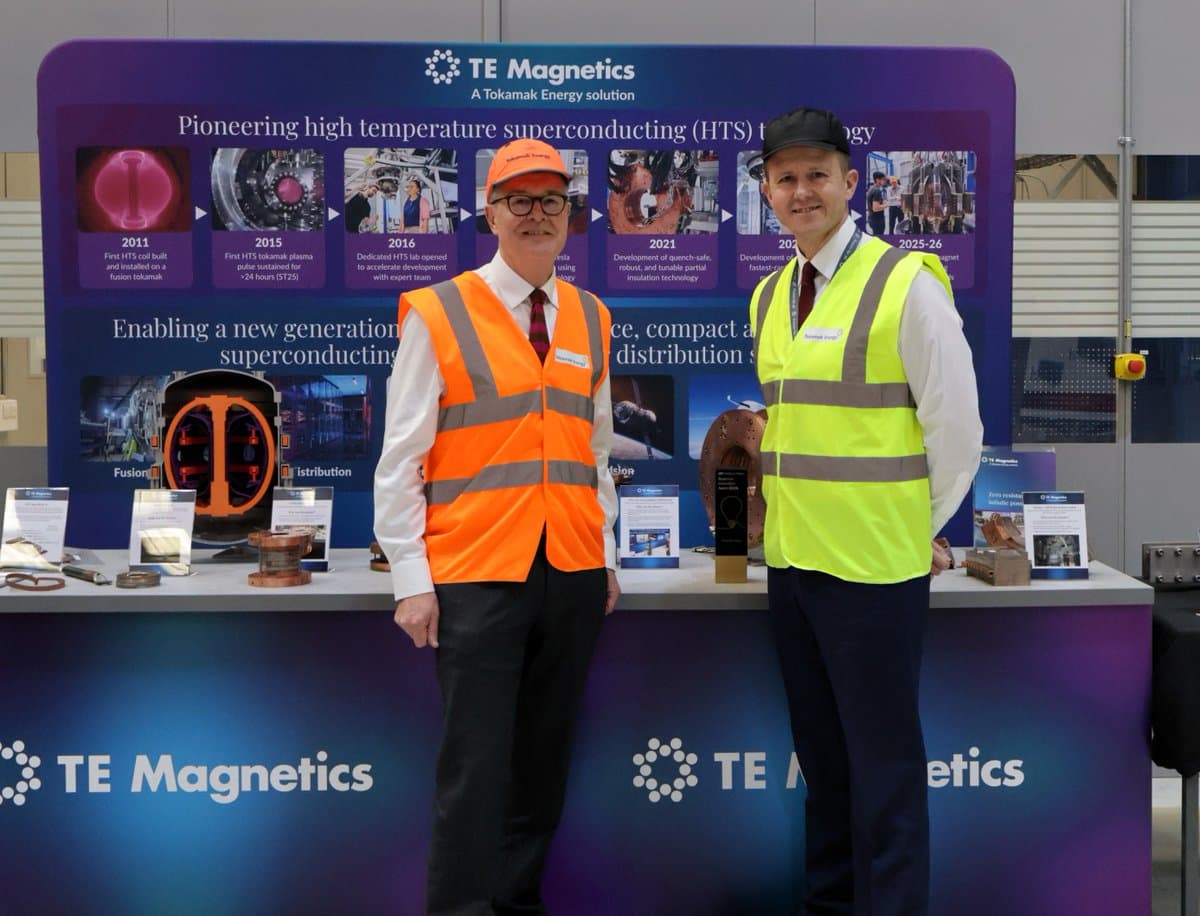
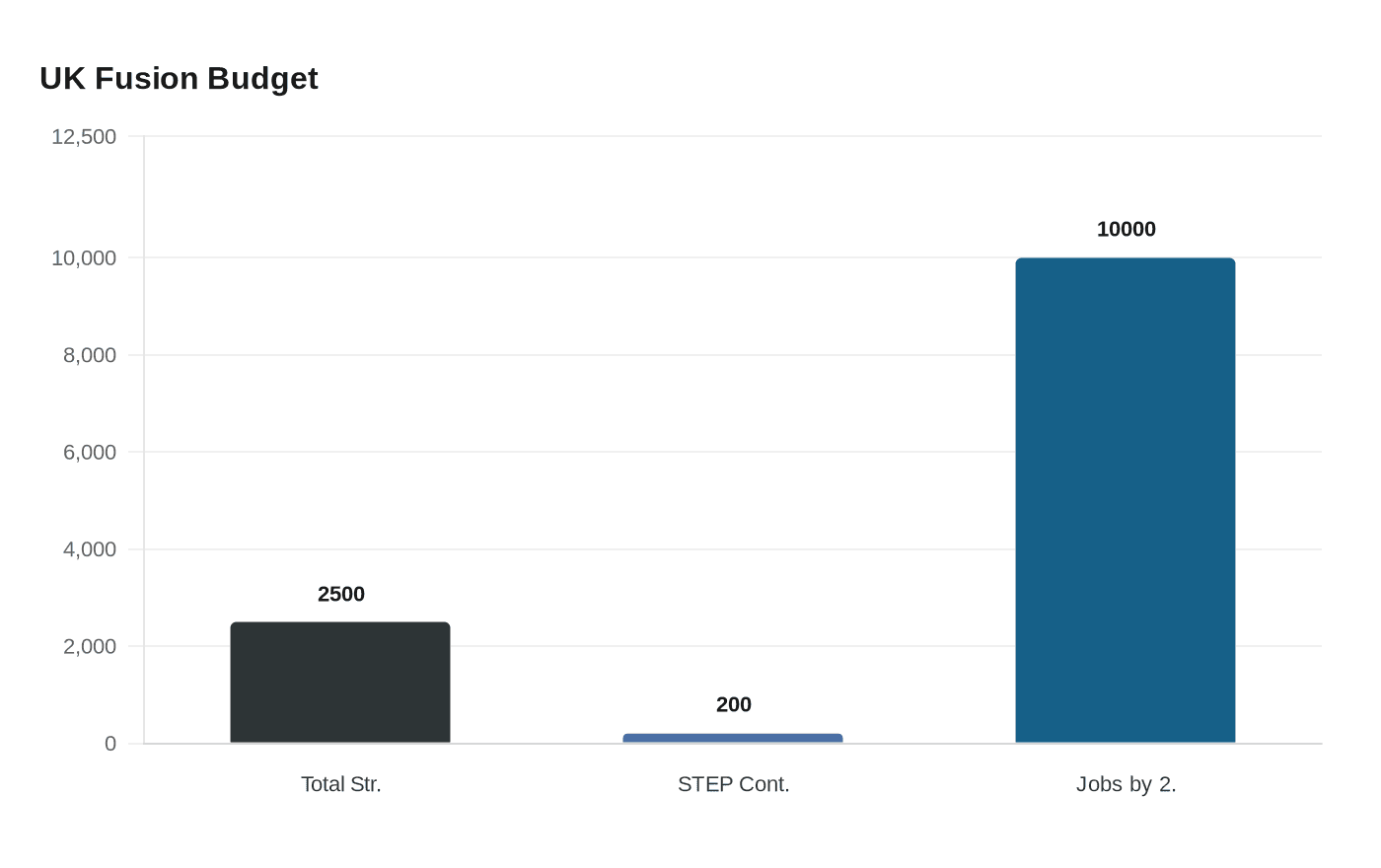
Lord Vallance, Minister for Science, Innovation, Research and Nuclear, walked the floor of Tokamak Energy's R&D campus on March 16 to launch the UK government's national fusion strategy, a £2.5 billion, five-year commitment that puts Britain squarely in the global race to deliver commercial fusion power.
The centrepiece of the strategy is STEP, a prototype fusion power plant to be built on the site of a decommissioned coal-fired power station in Nottinghamshire. A £200 million contract has been awarded to a Construction Partner for the project, which is expected to be operational by the early 2040s. Paul Methven, chief executive of government-owned UK Industrial Fusion Solutions, was candid about the scale of the undertaking. "It's quite an aggressive programme," he said. "We need to show that we can achieve genuine 'wall socket' energy which has not been done before."
The strategy also includes the commissioning of the UK's first AI supercomputer dedicated to fusion energy, a resource intended to accelerate modelling and simulation work that underpins reactor design. No procurement timeline or host institution was announced alongside the strategy document.
Lord Vallance framed the investment explicitly around energy independence. "By backing our fusion industry, we are not only securing our future energy independence, but from innovation and research to engineers, we are also providing the skilled clean energy jobs of the future for British people," he said. The government says the programme will create up to 10,000 jobs, with the Prospect trade union citing a target of 10,000 high-quality roles by 2030.
Beyond construction and research, the strategy lays out a market framework designed to attract private capital into fusion, with the government arguing it will provide investor confidence while guaranteeing a fair deal for consumers. The £2.5 billion figure builds on funding first signalled at the Spending Review, according to Prospect, which welcomed the strategy but attached clear conditions to its support.
Sue Ferns OBE, Prospect's Senior Deputy General Secretary, called fusion "an exciting prospect for the future of clean energy" but pressed for concrete delivery on the workforce side. "With public money underpinning the whole programme it is vital that we leverage that funding to establish a domestic supply chain, good jobs and a proper skills pipeline," she said. Ferns also raised the question of international collaboration, arguing that progress on fusion requires "not putting up barriers to international workers and rejoining Euratom, which plays an important role in supporting the development of nuclear fusion."
The ministerial visit to Tokamak Energy's ST40 was a deliberate signal of the public-private dynamic the government wants to cultivate. While STEP sits within the government-owned UK Industrial Fusion Solutions structure, private companies like Tokamak Energy represent the commercial ecosystem the strategy's market framework is intended to grow. Global fusion investment has surged in recent years as governments and private investors compete to be first to crack what has long been called the holy grail of clean energy, and the UK is now betting £2.5 billion that it can be among the first to deliver electricity from a fusion plant to the grid.
This article was produced by Prism’s automated news system from verified source data, official records, and press releases, then run through automated quality and moderation checks before publishing. The system is built and supervised by the people who set the standards it runs under. Read our full AI policy.
Did this article answer your question?