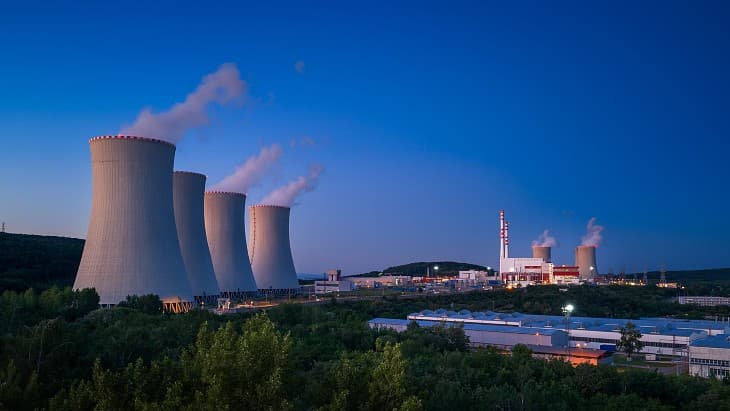
Ukraine Approves Domestic Nuclear Fuel Plant Using Westinghouse Technology
Ukraine's cabinet approved a domestic nuclear fuel plant near Mykolaiv, targeting the first Westinghouse-tech VVER-1000 assembly loaded into a reactor by 2027.
Ukraine's Cabinet of Ministers issued order No.274-r on March 25, authorizing state nuclear operator Energoatom to design, build, and operate a fuel assembly plant in the Voznesensk district of Mykolaiv Oblast, adjacent to the South Ukraine Nuclear Power Plant. The directive formalizes a technology transfer arrangement with Westinghouse Electric Company that has been years in the making and represents the most concrete structural break yet from Ukraine's Soviet-era fuel supply chain.
The share hook is specific: Energoatom says the first domestically manufactured fuel assembly could be loaded into an operating reactor unit as early as 2027, with a longer-term goal of covering 50 percent of Ukraine's annual reload requirements from domestic production. The remaining half would continue through the Westinghouse supply partnership.
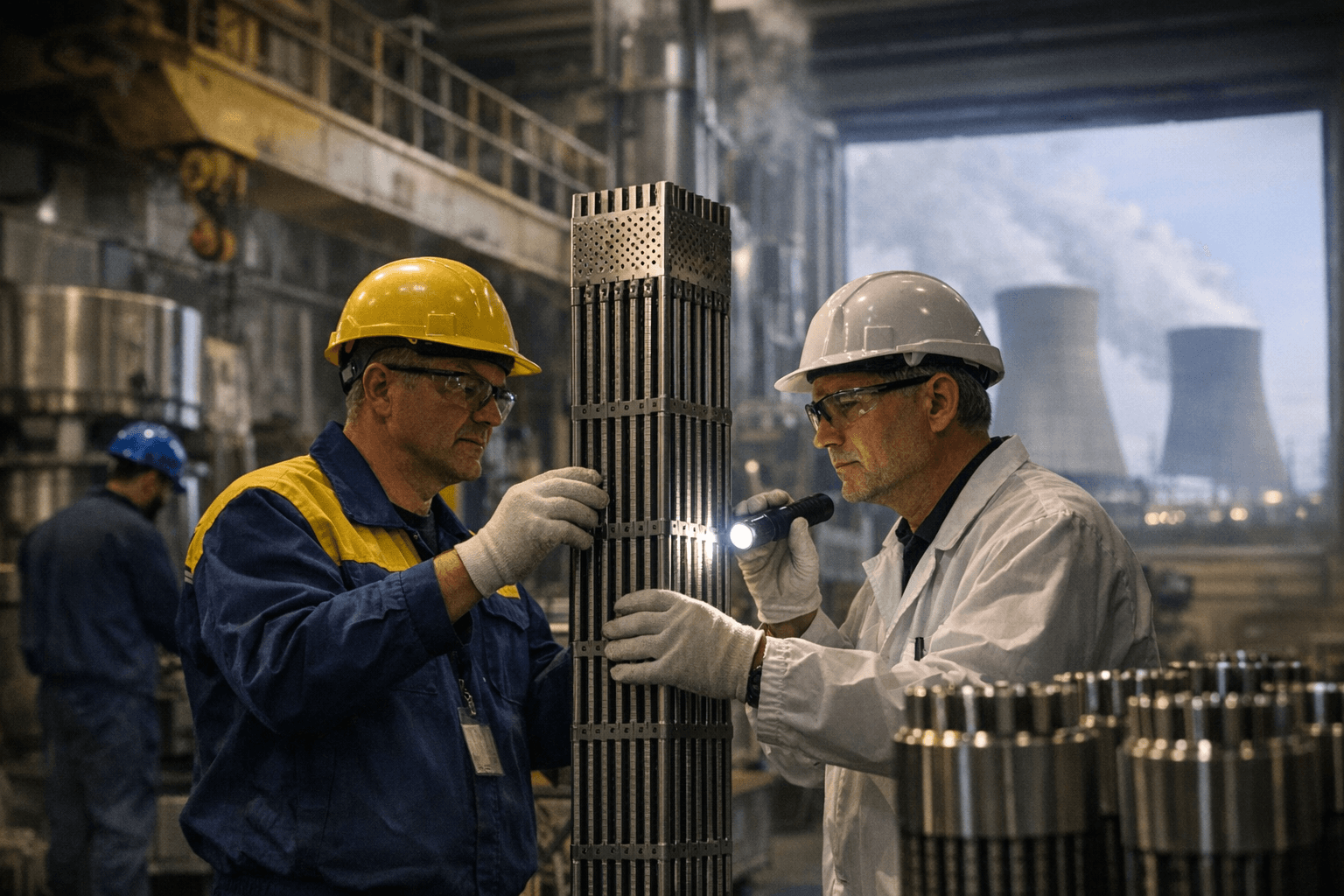
Understanding what that means requires a brief detour into what a fuel assembly actually is. In a VVER-1000 reactor, a fuel assembly is a rigid lattice of fuel rods, each packed with enriched uranium pellets, held in precise geometric alignment by a series of spacer grids and machined nozzles at each end. Dimensional tolerances are unforgiving; even a few millimeters of bow in an assembly can disrupt coolant flow across the reactor core. That precision is exactly why localization is hard. Energoatom's subsidiary Atomenergomash had already qualified to manufacture top and bottom nozzles under a Westinghouse license, but full assembly production requires certified production lines, an end-to-end quality assurance regime, and regulatory sign-off from Ukraine's nuclear safety authority before a completed assembly can go near a reactor.
Westinghouse has already conducted what Energoatom describes as "an assessment and potential qualification of the production lines" for final fuel assembly work, meaning the industrial groundwork is further along than a fresh cabinet order might suggest. Environmental impact and feasibility studies have cleared state review, and roughly seven hectares of land near Pivdennoukrainsk have been allocated for the site.
The strategic logic runs directly through Russia's 2022 invasion. Ukraine's nine active VVER-type units at Rivne, South Ukraine, and Khmelnytskyi require regular fuel reloads, and until Westinghouse scaled up supply from its Västerås, Sweden fabrication facility, TVEL was the only certified supplier. Sourcing all fuel from Sweden reduces Russian leverage but leaves a single point of vulnerability in a wartime supply chain. The six Zaporizhzhia units remain under Russian military occupation and in cold shutdown, compounding the urgency of supply diversification for the reactors that are still generating power.
Westinghouse and Energoatom had already telegraphed this direction in July 2025, signing a cooperation agreement at the Ukraine Recovery Conference to jointly pursue final fuel assembly capability inside the country. Order No.274-r converts that agreement into a government-backed construction directive with Energoatom formally named as the facility operator.
The critical next milestones are detailed project documentation, a comprehensive state examination, procurement of specialized manufacturing equipment, and securing financing. Energoatom marked the decision with a statement that it "opens a new page in the history of domestic nuclear energy" for Ukraine. If the 2027 first-load target holds, that new page arrives faster than most wartime industrial projects ever manage.
This article was produced by Prism’s automated news system from verified source data, official records, and press releases, then run through automated quality and moderation checks before publishing. The system is built and supervised by the people who set the standards it runs under. Read our full AI policy.
Did this article answer your question?