Ukraine extends Chernobyl decommissioning funding to 2036
Ukraine’s 2036 funding extension keeps Chornobyl’s decommissioning, Shelter transformation and waste work moving after the New Safe Confinement was hit and repairs were estimated at €500 million.
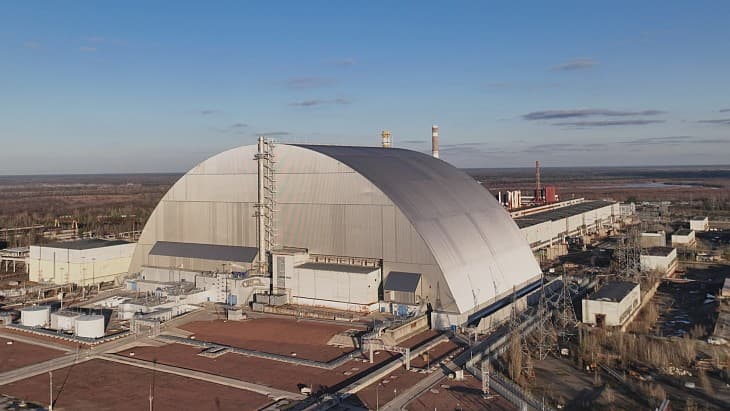
Ukraine has approved draft legislation that would keep money flowing to the Chornobyl decommissioning programme through 2036, preserving the financing behind the site’s slow shift from shutdown work into direct dismantling and containment management. The Cabinet of Ministers backed the draft law on July 10, and the Ministry of Energy said the update reflects the completion of the shutdown and preparatory phases and sets out the measures and financing sources for the State Programme for the Decommissioning of the Chornobyl Nuclear Power Plant and the Transformation of the Shelter Object into an Environmentally Safe System.
The practical effect is continuity on a site that still needs constant engineering attention. Without a renewed legal basis for funding, the programme that keeps the Shelter Object, stabilization work and related safety tasks moving would lose the long planning horizon that Chernobyl requires. This is not a symbolic renewal. It is the paperwork that keeps a live decommissioning programme from slipping into delay just as it enters the next stage.
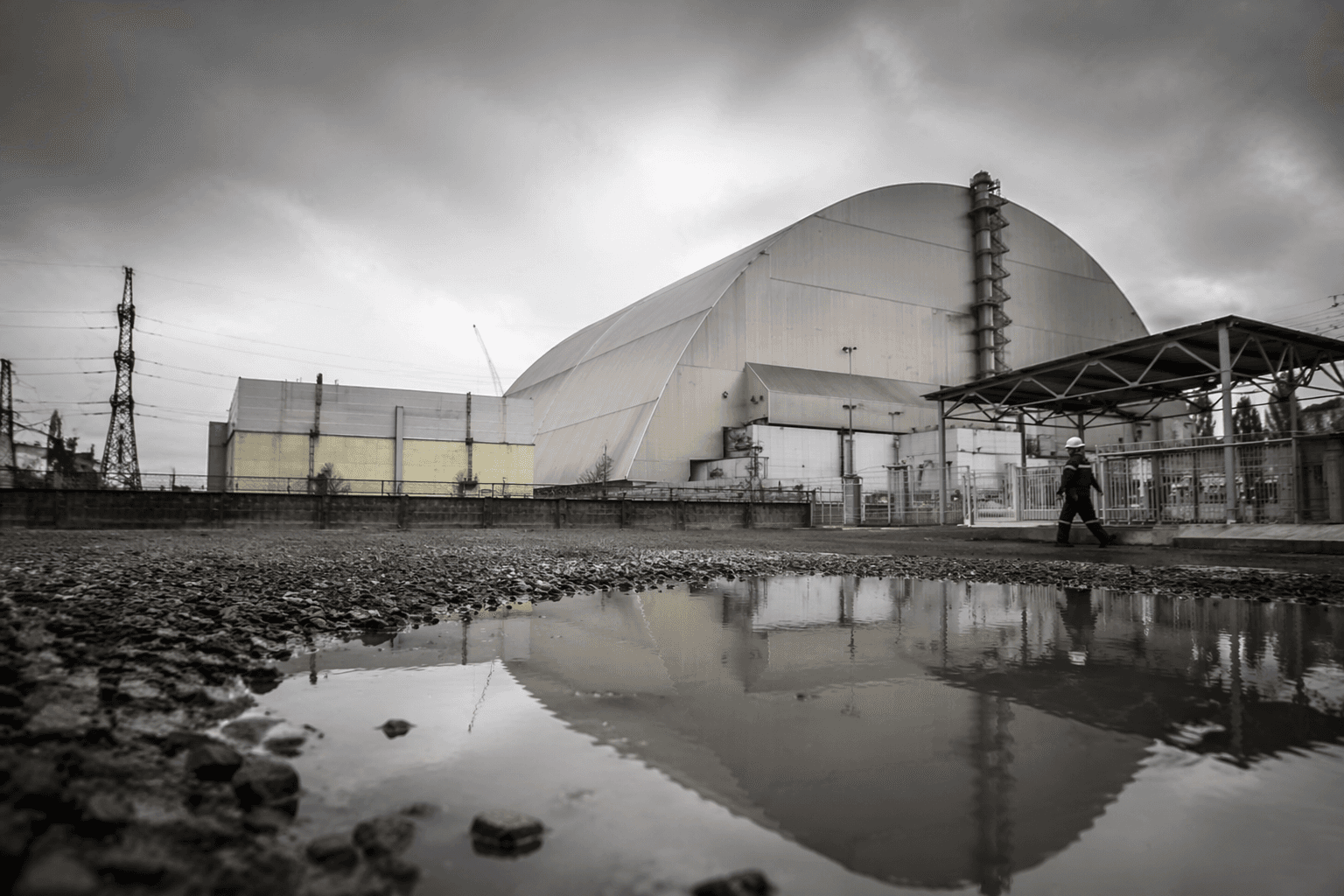
That continuity matters because the New Safe Confinement remains central to the whole operation. Built over roughly 20 years and completed in 2016, the arch was designed for a service life of about 100 years and was meant to enclose the damaged reactor building so the original shelter and reactor remains can eventually be removed safely. The European Bank for Reconstruction and Development says the project was funded by 45 countries, a reminder that Chernobyl’s cleanup has always depended on long-term international coordination as much as domestic administration.
The stakes rose again after the structure was damaged in a Russian drone strike in February 2025. The EBRD has said initial assessments put repairs at at least €500 million, while the International Atomic Energy Agency said in April 2025 that Ukrainian engineers and construction workers were carrying out temporary repairs. In November 2025, IAEA Director General Rafael Mariano Grossi said additional staff had been deployed to Chornobyl for a comprehensive safety assessment of the damaged New Safe Confinement.
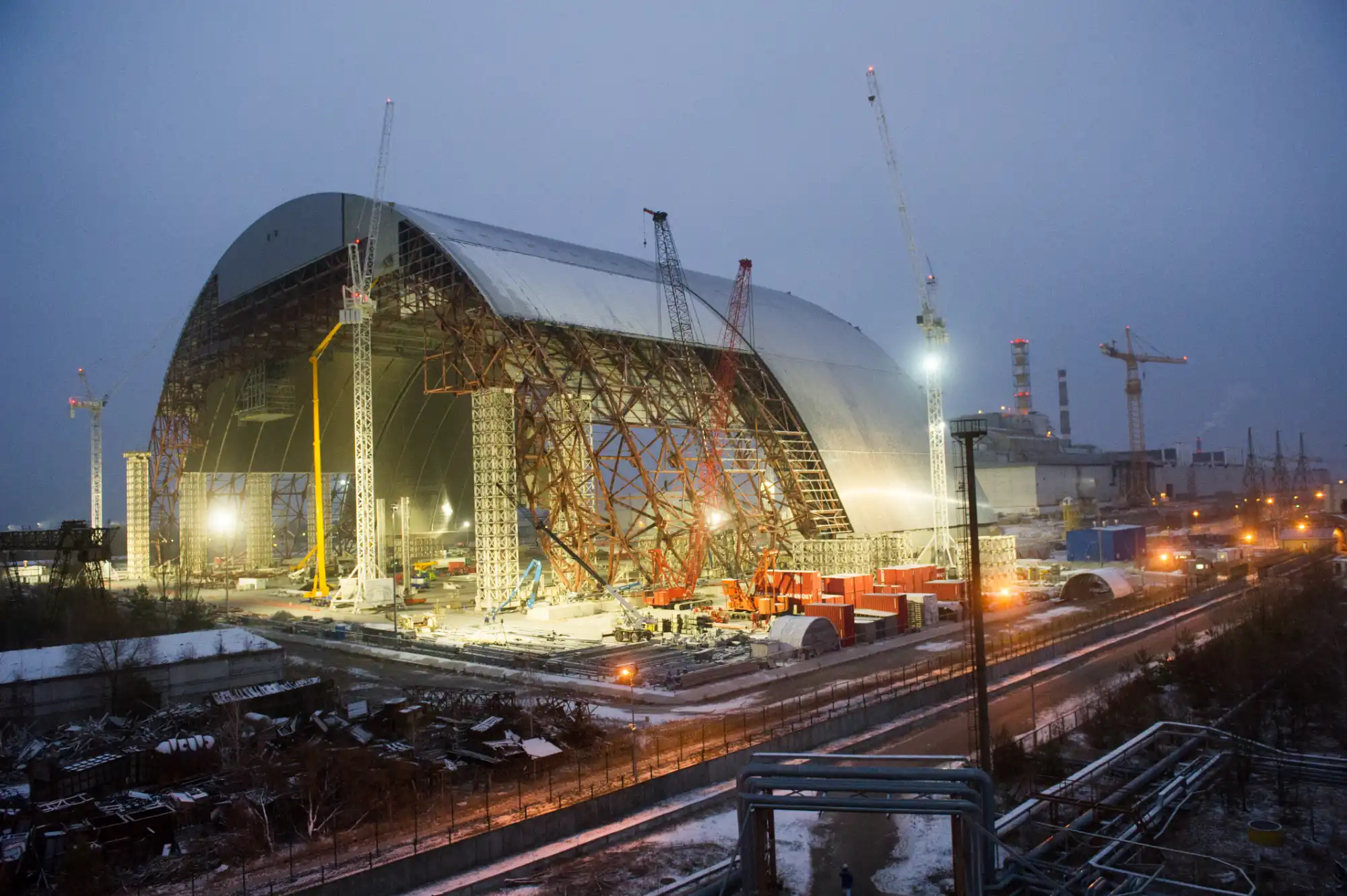
The extension to 2036 signals that Ukraine expects the site’s hardest work to continue as a multistage nuclear-safety project, not a short cleanup. For Chornobyl, the new law is less a bureaucratic refresh than the financing that keeps the legacy hazard shrinking one controlled step at a time.
This article was produced by Prism’s automated news system from verified source data, official records, and press releases, then run through automated quality and moderation checks before publishing. The system is built and supervised by the people who set the standards it runs under. Read our full AI policy.
Did this article answer your question?