University of Alabama Huntsville, Nasa revive nuclear thermal propulsion research
UAH and NASA are reviving nuclear thermal propulsion, aiming to cut Mars trips from six months to two or three with new modeling and test work.
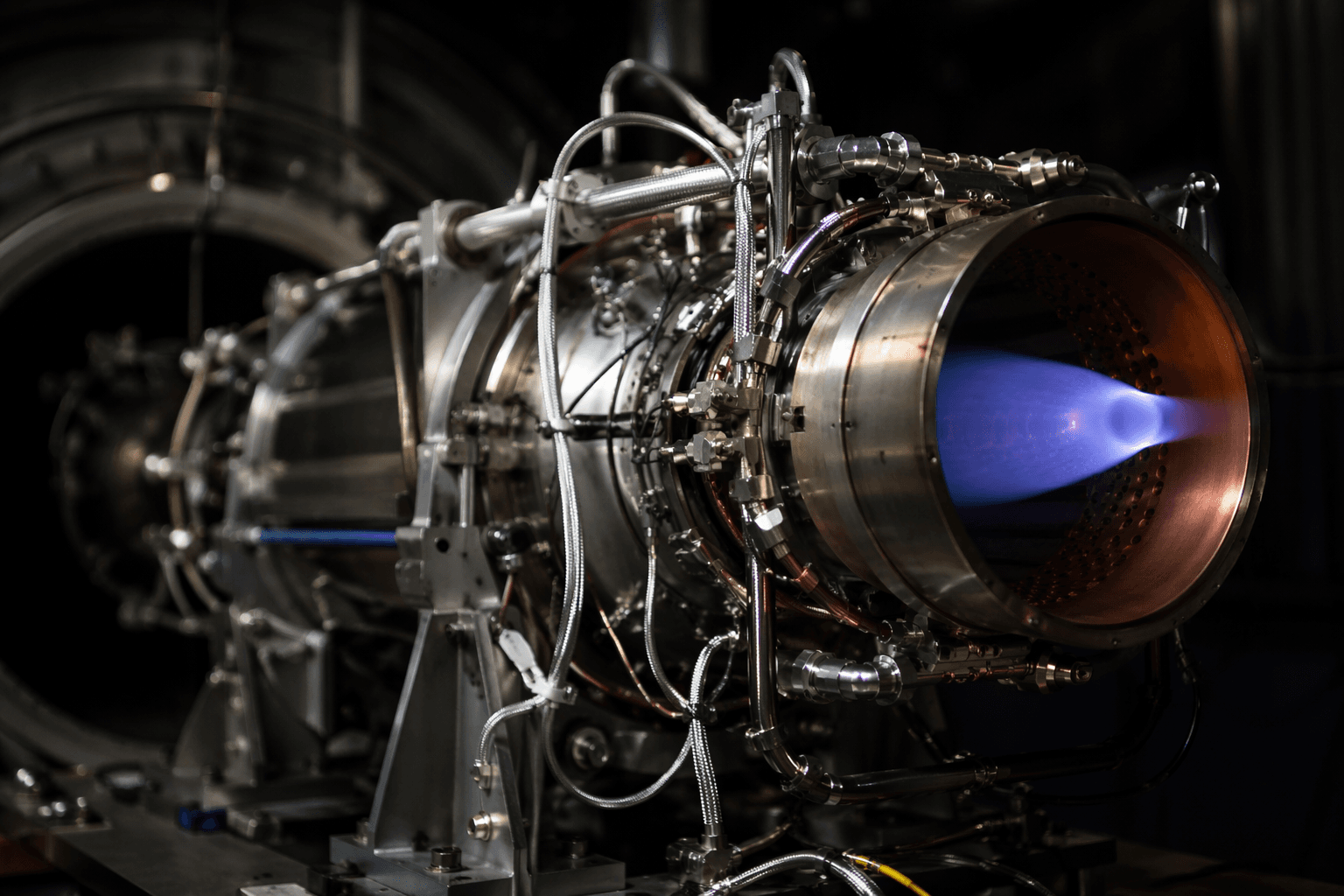
Nuclear thermal propulsion could slash Mars transit time from roughly six months to about two or three, and the University of Alabama in Huntsville has now signed a partnership with NASA’s Marshall Space Flight Center to push that concept back into practical engineering. The agreement puts UAH in the middle of the work on mission analysis, propulsion modeling, digital engineering and broader advanced nuclear propulsion studies, with the university helping NASA decide where the systems would do the most good.
The timing matters because NASA is treating space nuclear propulsion as an active mission tool, not a museum piece. In March, the agency laid out nuclear-power plans that included Space Reactor-1 Freedom, or SR-1 Freedom, a nuclear electric propulsion spacecraft targeted for a December 2028 Mars launch and intended to start a sustained cadence of missions rather than stand alone as a one-off demonstration. NASA says nuclear thermal propulsion delivers high thrust at about twice the propellant efficiency of chemical rockets, a combination that would free up mass for payload and mission supplies on long-haul flights.
That is the technical payoff UAH and Marshall are now trying to sharpen. UAH’s Dale Thomas has said many people do not know how much work NASA already completed in the 1950s and 1960s, when the agency’s NERVA effort built on Project Rover, launched in 1955. NASA history materials show the Nevada Test Site was selected in 1956, facility construction began in 1957, and NASA and the Atomic Energy Commission established the Space Nuclear Propulsion Office on August 31, 1960. Much of that engineering base and test data still exists, which makes the current effort a revival of an old line of research rather than a start from zero.
The engineering barriers are just as concrete. NASA technical papers say modern nuclear thermal propulsion ground tests must capture or process exhaust to meet nuclear and environmental rules, which is why test concepts such as Rocket Exhaust Capture System and Real-Time Processing are considered robust but expensive, while High-Pressure Exhaust Capture and High-Pressure Filter approaches are being explored as lower-cost options. NASA also completed a cold-flow campaign in 2025 at Test Stand 400 in Huntsville, the first testing of a flight reactor engineering development unit since the 1960s, and recent work has shifted toward subscale demonstration engines in the 5,000- to 12,500-lbf range.
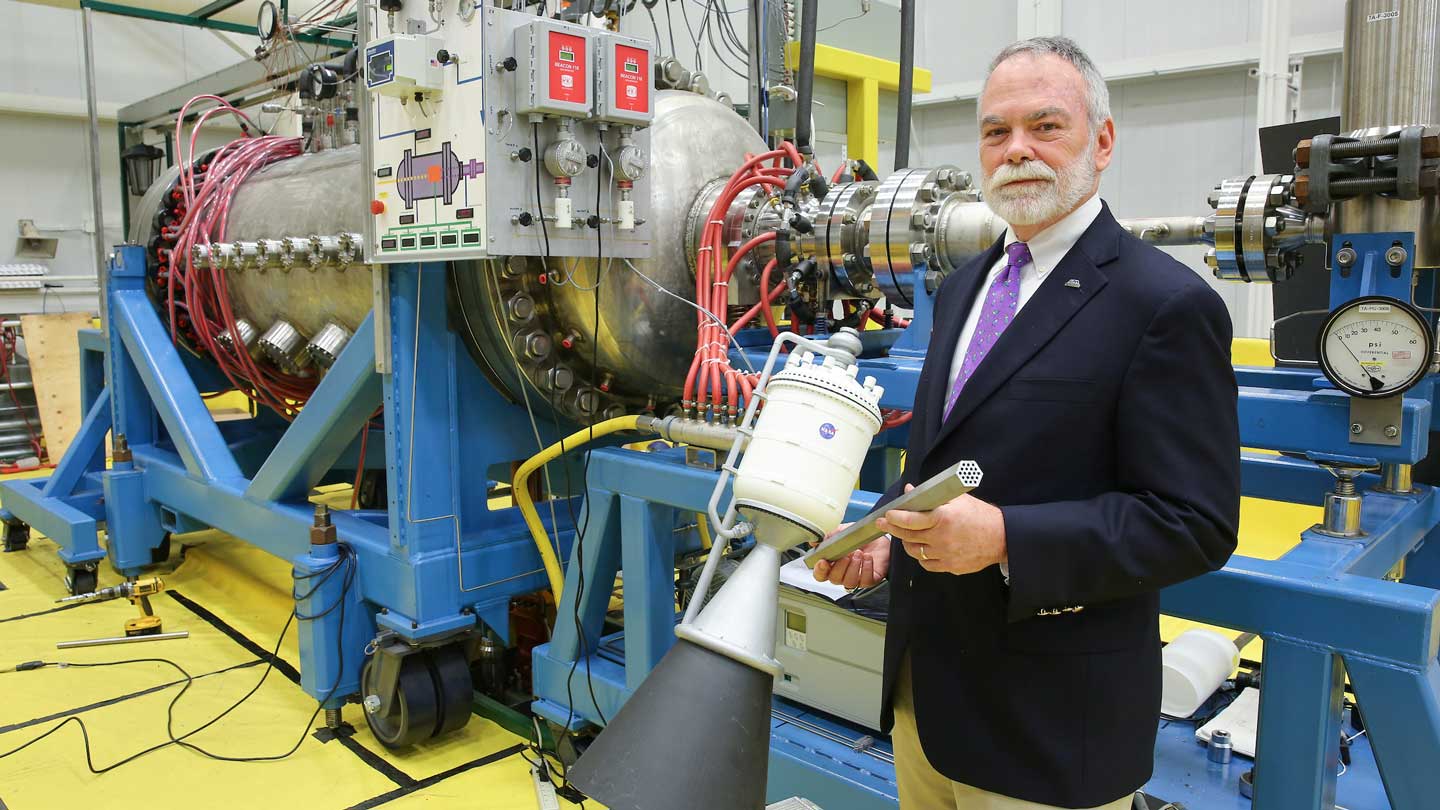
That is the path ahead for the UAH-NASA partnership: turn preserved reactor and propulsion data into the next round of mission analysis, hardware modeling and test hardware that can move deep-space missions beyond the long chemical-rocket haul.
This article was produced by Prism’s automated news system from verified source data, official records, and press releases, then run through automated quality and moderation checks before publishing. The system is built and supervised by the people who set the standards it runs under. Read our full AI policy.
Did this article answer your question?