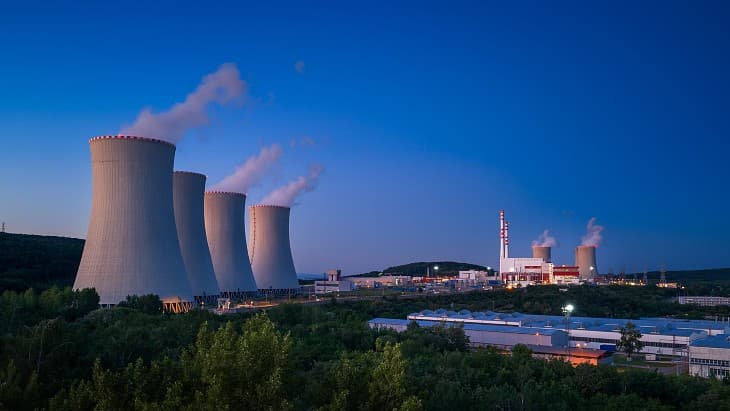
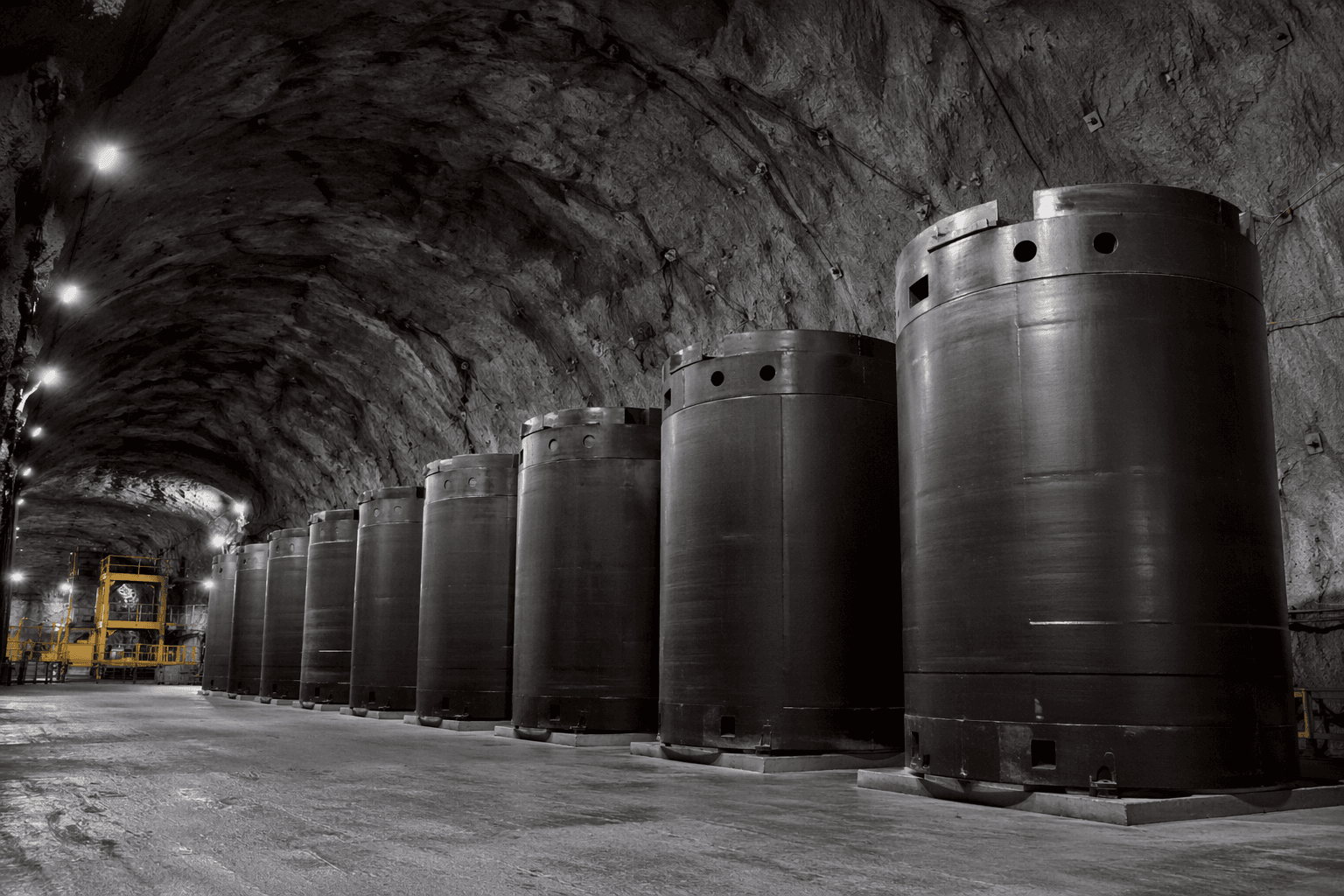
U.S. alleges China conducted secret nuclear test, releases intelligence details
U.S. officials say China conducted a "yield-producing" underground nuclear test on June 22, 2020 and used seismic "decoupling" to try to hide the blast.
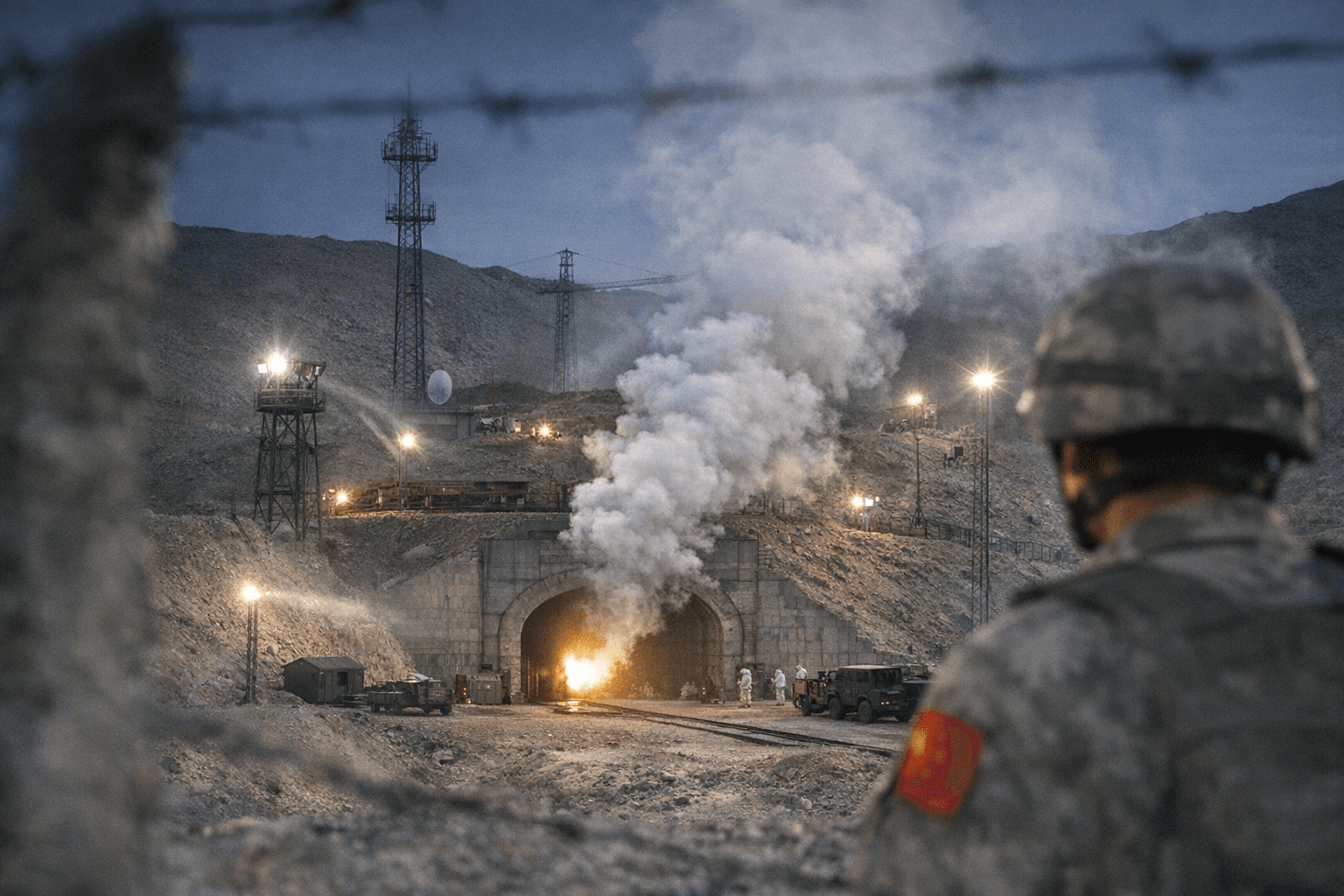
U.S. Under Secretary of State for Arms Control and International Security Thomas DiNanno told delegates at the United Nations Conference on Disarmament in Geneva that Washington's intelligence shows Beijing "has conducted nuclear explosive tests, including preparing for tests with designated yields in the hundreds of tons." DiNanno added a pinpointed allegation: "China conducted one such yield-producing nuclear test on June 22 of 2020."
DiNanno went further in Geneva, charging that Beijing used technical measures to blunt detection. He said, "China sought to conceal testing by obfuscating the nuclear explosions because it recognized these tests violate test ban commitments. China has used 'decoupling', a method to decrease the effectiveness of seismic monitoring, to hide their activities from the world." The State Department disclosure in mid-February has thrust decoupling and the limits of seismic monitoring into the center of arms control debate.
On location, reporting diverged. One U.S. outlet cited DiNanno as saying Washington has evidence pointing to a detonation at Lop Nur, while other accounts described the event simply as an underground nuclear test in June 2020. Reuters characterized the incident as an "underground nuclear test in June 2020" without naming Lop Nur, underscoring remaining differences in what U.S. officials publicly disclosed.
International monitoring and verification responses were cautious. The Comprehensive Test Ban Treaty Organization told reporters through a paraphrase that there was "insufficient data to confirm Yeaw's allegation with confidence," a public position that highlights the gap between classified intelligence claims and publicly available seismic or radionuclide data. Detecting small underground tests and the specific technique DiNanno described as decoupling has long been considered technically difficult, a point underscored by multiple delegations and technical observers in Geneva.
The allegation has immediate policy reverberations in Washington. Assistant Secretary Christopher Yeaw invoked administration posture when he said, "As the president has said, the United States will return to testing on an 'equal basis'." Yeaw added caution: "But equal basis doesn't mean we're going back to Ivy Mike-style atmospheric testing in the multi-megaton range." U.S. officials have tied the intelligence claim to deliberations about whether the decades-long moratorium can endure; Reuters noted the United States last conducted an underground nuclear test in 1992.
Beijing rejected the accusation across multiple channels. China's Foreign Ministry told AFP that the U.S. claims were "outright lies" and that "China firmly opposes the US attempt to fabricate excuses for its own restarting of nuclear tests." Liu Pengyu, a spokesperson at the Chinese embassy in Washington, called the allegation "entirely unfounded" and "an attempt 'to fabricate excuses for resuming' U.S. nuclear testing," adding that "This is political manipulation aimed at pursuing nuclear hegemony and evading its own nuclear disarmament responsibilities." Shen Jian, China's ambassador on disarmament, said Beijing "had always acted prudently and responsibly on nuclear issues" and accused the United States of hyping "the so-called China nuclear threat," calling the U.S. "the culprit for the aggravation of the arms race." The Chinese embassy in Washington did not respond to a separate NPR request for comment, according to reporting.
The charge arrived at a sensitive moment in the arms control calendar, days after the New START treaty expired and amid Pentagon assessments that China's strategic force is expanding. Reuters cited Pentagon figures saying China "now has more than 600 operational warheads" and projects to field "more than 1,000 warheads by 2030." With those numbers in play and DiNanno's June 22, 2020 date on the record, verification questions - including whether public CTBTO data or a speech transcript will reveal underlying indicators such as radionuclide detections or imagery - remain outstanding.
This article was produced by Prism’s automated news system from verified source data, official records, and press releases, then run through automated quality and moderation checks before publishing. The system is built and supervised by the people who set the standards it runs under. Read our full AI policy.
Did this article answer your question?