U.S. explores small modular reactors for nuclear-powered commercial shipping
MARAD opened a 90-day push for SMR-powered cargo ships, but the real hurdles are ports, insurance, crews and liability before routine service.
_39116_71552.jpg&w=1920&q=75)
The U.S. government has started asking how a nuclear cargo ship would actually work in the real world, from port access and insurance to crew rules, security and cost. The Maritime Administration launched a request for information on May 7, opening a 90-day comment period that runs through August 5, 2026, for a U.S.-built, scalable, repeatable and commercially viable small modular reactor concept for the marine transportation system.
The ask is still early-stage, but it is more concrete than the usual talk about SMRs in the abstract. MARAD said the effort is aimed at a single-vessel or technology demonstration, not an immediate fleet rollout, and it is working with the U.S. Coast Guard, the Nuclear Regulatory Commission and the Department of Energy. The agency wants ideas on liability frameworks, insurance pathways, port acceptance, workforce development and standards integration, along with input on efficiency, affordability, national security and how a domestic program could support shipbuilding and logistics.
That framing matters because the hard part is no longer just reactor physics. A nuclear-powered commercial ship would need a port that can receive it, an insurer willing to underwrite it, a crew trained for a nuclear operating culture, and a regulatory structure that can survive both U.S. law and international trade. Legal analysis in 2025 said there is no global liability framework for civil nuclear-powered ships, which leaves one of the biggest commercial questions hanging before a vessel ever leaves dry dock. MARAD’s notice reads like an attempt to map those missing pieces before private capital will move.
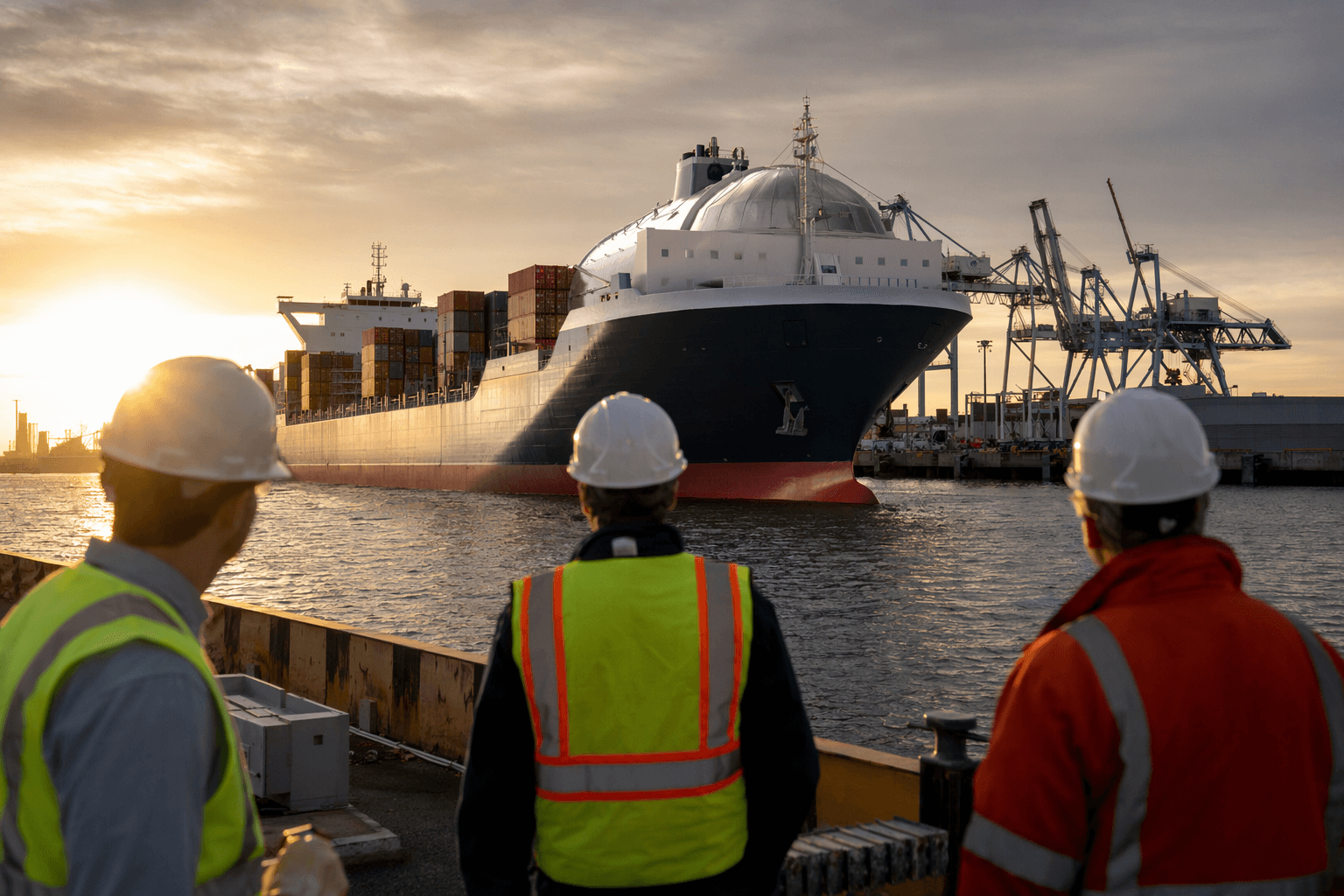
The historical precedent is the N.S. Savannah, launched in 1959 as the world’s first nuclear-powered merchant ship. MARAD still holds a Nuclear Regulatory Commission license to possess and dismantle the ship’s non-operational reactor and power plant. Reference material on the vessel puts its construction cost at $46.9 million, including a $28.3 million reactor and fuel core, a reminder that proving a concept and making it commercial are very different tasks.
Industry has been circling the question for years. A DOE-led report with ABS and the National Reactor Innovation Center said maritime nuclear integration has been a long-standing question in both communities and examined technical, regulatory and economic feasibility. In October 2025, Lloyd’s Register published a maritime nuclear guidance framework, while other classification and legal discussions have pointed to the same bottlenecks: liability, insurance, port access and standards. For now, MARAD has moved the debate from theory into a federal process that asks one blunt question: what would have to change before a nuclear-powered cargo ship could sail routinely?
This article was produced by Prism’s automated news system from verified source data, official records, and press releases, then run through automated quality and moderation checks before publishing. The system is built and supervised by the people who set the standards it runs under. Read our full AI policy.
Did this article answer your question?