U.S. signs 10-year fusion partnership to advance Wendelstein 7-X research
The DOE locked in a decade of W7-X work after the stellarator posted a 43-second fusion run and a new triple-product record.
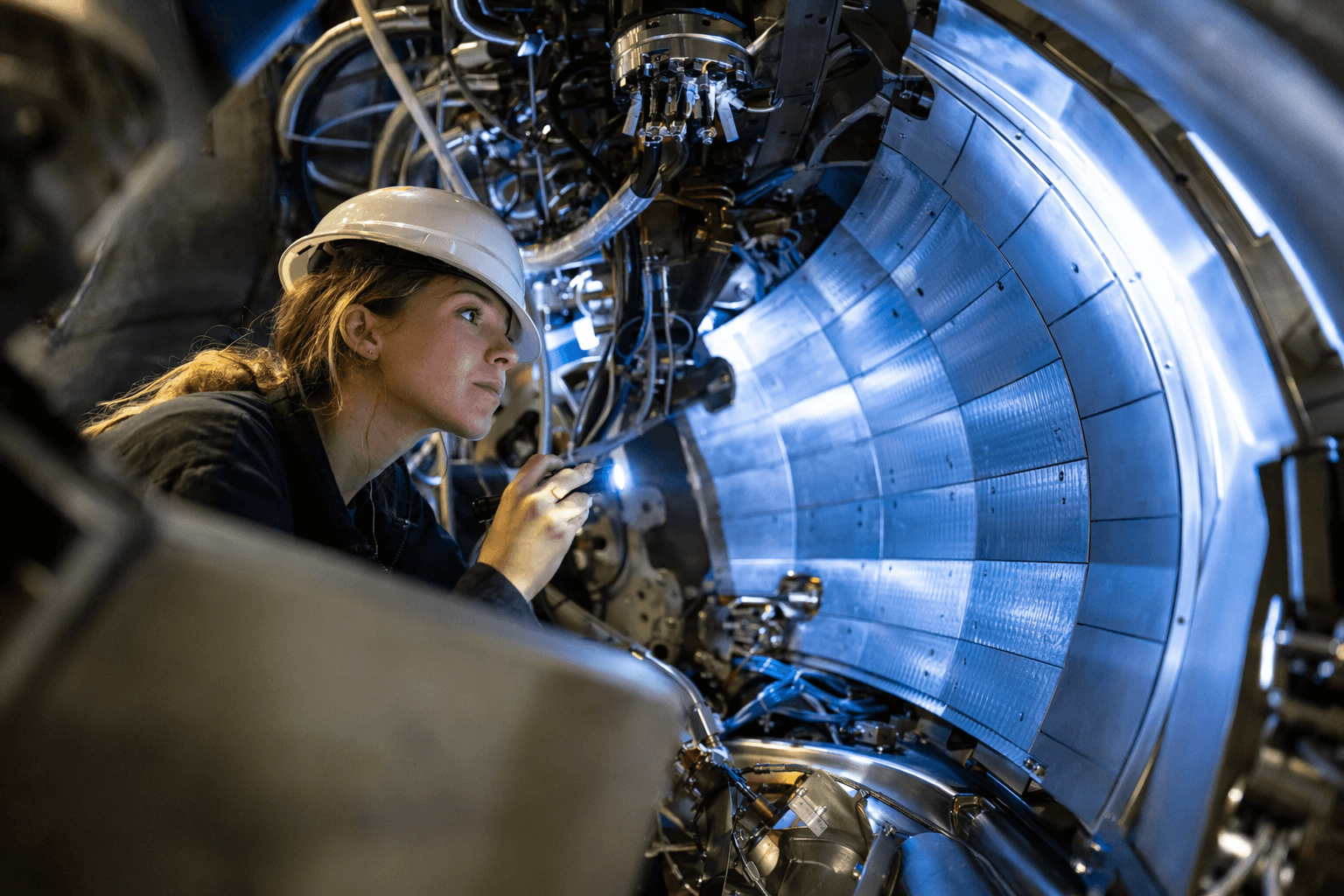
The U.S. Department of Energy has locked in another 10 years of work on Wendelstein 7-X, a sign that Washington sees the German stellarator as too important to leave to chance. The project agreement with the Max Planck Institute for Plasma Physics keeps Princeton Plasma Physics Laboratory tied to one of fusion’s most closely watched machines, and it arrives after W7-X delivered a 43-second sustained fusion pulse in 2025, the highest-performing sustained fusion experiment lasting more than 30 seconds.
That matters because W7-X is not just another experimental device. IPP says it is the world’s largest stellarator, built with 50 non-planar superconducting magnet coils and designed to test plasma discharges lasting up to 30 minutes. In a field still working toward steady-state operation and better reactor economics, that makes W7-X a rare platform for answering questions that domestic-only work could not resolve as quickly: how an optimized modular stellarator behaves over long pulses, how it handles heat, and whether it can match tokamak confinement without relying on a large internal plasma current.
The new agreement is also the first project under a new model project framework between the United States and the European Commission, a structure Princeton Plasma Physics Laboratory says is meant to reduce administrative burden and make it easier to launch or expand fusion collaborations. DOE fusion office director Jean Paul Allain said the deal reflects a deep commitment to international partnerships that accelerate fusion energy progress. For U.S. labs, that is more than diplomacy. It is a practical strategy for keeping access to a machine, data set, and engineering workflow that would be extraordinarily expensive to recreate alone.
PPPL principal research physicist Novimir Pablant said PPPL is engaged in the W7-X program through “equipment, personnel and publications,” a snapshot of how deeply the collaboration has become embedded in U.S. fusion work. The partnership has run for more than 20 years, feeding results into diagnostics, simulation, and reactor design studies while helping train the next wave of plasma scientists and engineers on a facility built over decades. Main assembly finished in 2014, first plasma came on December 10, 2015, first hydrogen plasma followed on February 3, 2016, and the machine reached final configuration in December 2021.
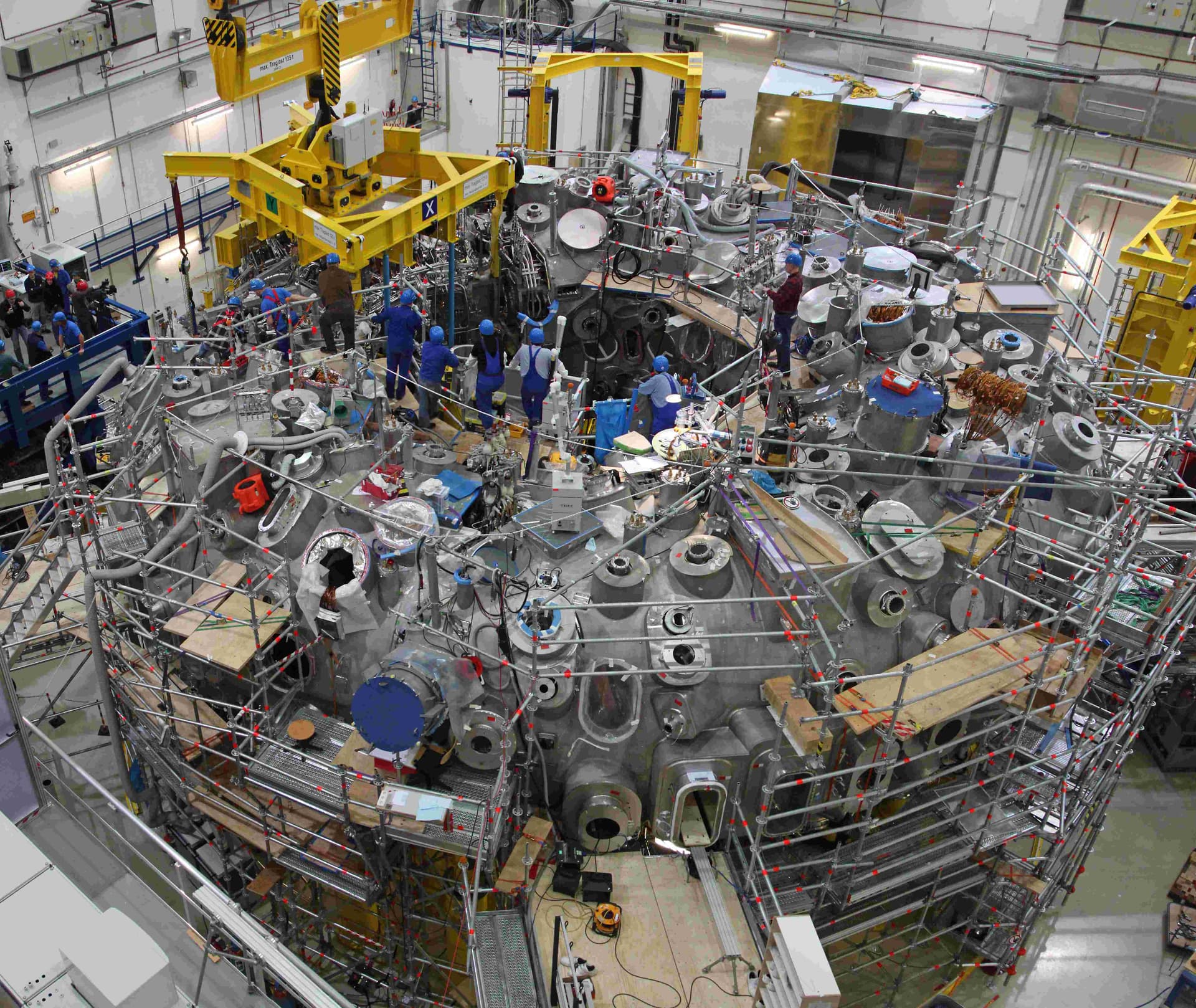
That long build has already produced a hefty payoff. IPP says development and final configuration cost 460 million euros, or 1.44 billion euros including the Greifswald site, and the experimental gains keep stacking up. PPPL says W7-X now holds the best triple-product result for plasma pulses longer than 10 seconds, overtaking the Joint European Torus in the United Kingdom, which was decommissioned at the end of 2023. For taxpayers and the wider fusion sector, the bet is clear: spend now to buy faster answers, stronger talent pipelines, and technology spillovers that could shape the next generation of reactors.
This article was produced by Prism’s automated news system from verified source data, official records, and press releases, then run through automated quality and moderation checks before publishing. The system is built and supervised by the people who set the standards it runs under. Read our full AI policy.
Did this article answer your question?