X-energy and IHI Partner to Build Xe-100 SMR Components for Global Markets
X-energy and Japan's IHI signed an MOU to manufacture Xe-100 reactor pressure vessels and MPS components, targeting a 144-unit commercial orderbook.
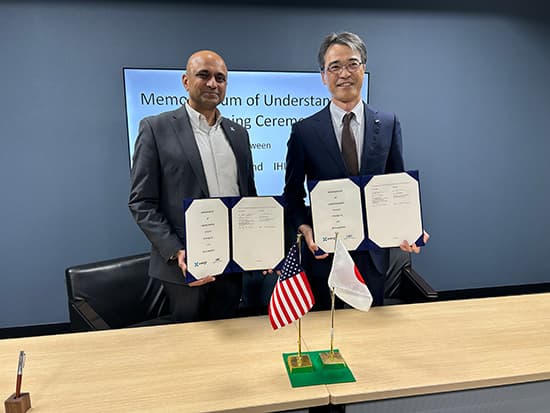
X-energy Reactor Company and IHI Corporation signed a non-binding Memorandum of Understanding to establish a cooperative manufacturing and supply chain framework for Main Power System pressure boundary components of the Xe-100 high-temperature gas-cooled reactor, with the agreement publicly announced on March 16 in Tokyo in conjunction with the Indo-Pacific Energy Security Ministerial and Business Forum.
The MOU covers design, engineering, manufacturability assessment, and supply chain development for the Xe-100's most critical long-lead hardware: reactor pressure vessels, reactor internals, steam generator vessels, and cross vessels. The agreement provides a framework for discussions and information exchange related to the potential production of complete MPS sets, targeting commercial-scale manufacturing to support large-scale Xe-100 deployment in global markets.
IHI's LinkedIn post dated the physical signing to March 13 at IHI Yokohama Works, three days before X-energy's Tokyo press release tied the announcement to the Indo-Pacific forum. The two companies have not publicly reconciled those dates, leaving open whether the Yokohama signing and the forum announcement were separate events or one continuous process.
The commercial stakes behind the MOU are significant. X-energy is managing a 144-unit commercial orderbook against an 11-gigawatt pipeline, and the company's supply chain strategy explicitly calls for multiple qualified manufacturers rather than single-source dependence. The IHI agreement is framed as complementing, not replacing, X-energy's existing commercial supplier agreements, giving the company redundant production pathways for components that require nuclear-grade certification and extended fabrication timelines.
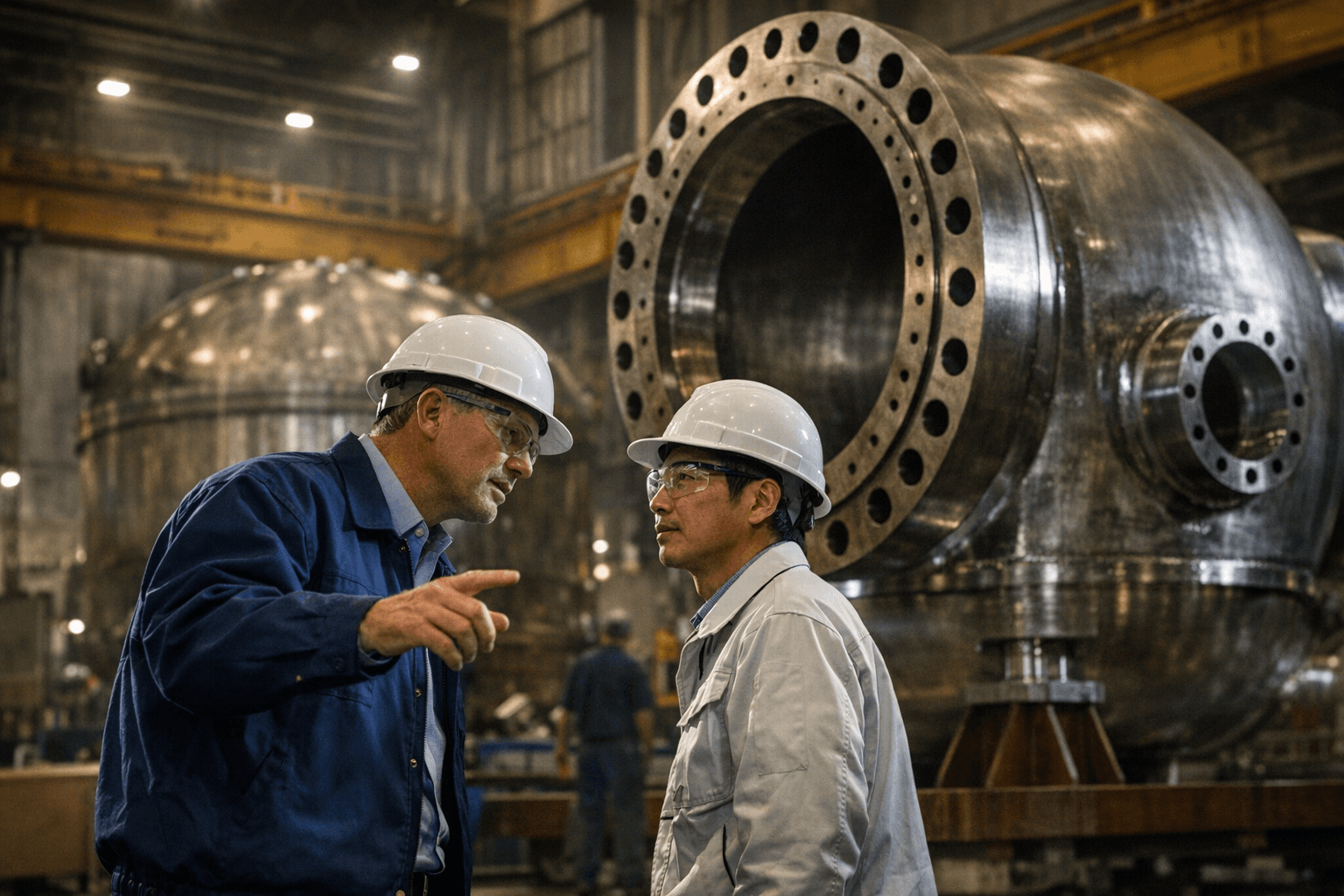
IHI brings manufacturing capabilities that X-energy describes as "highly specialized nuclear manufacturing capabilities largely unavailable at commercial scale in the United States today." Nuclear Engineering International noted that IHI has extensive experience producing safety-critical components for HTGRs specifically, along with established relationships with Japanese materials suppliers and component manufacturers, a supplier network that extends the value of the partnership beyond IHI's own factory floor.
The strategic framing around the MOU tracks closely with broader U.S.-Japan industrial policy objectives, with both companies citing allied cooperation in strategic sectors and energy infrastructure investment as parallel goals the agreement is intended to advance.
The MOU carries no binding production commitments, financial terms, or delivery schedules based on publicly available details. No executive quotes were included in the announcement materials. What the agreement does formalize is a structured basis for two organizations to assess whether IHI's HTGR manufacturing depth can be scaled to meet the volume demands that a 144-unit orderbook will eventually impose on whoever builds these components.
This article was produced by Prism’s automated news system from verified source data, official records, and press releases, then run through automated quality and moderation checks before publishing. The system is built and supervised by the people who set the standards it runs under. Read our full AI policy.
Did this article answer your question?