Birdline Parrot Rescue Lists Five Macaws Seeking Experienced Adoptive Homes
Birdline Parrot Rescue Canada is calling for experienced macaw owners to step up for five birds currently awaiting homes.
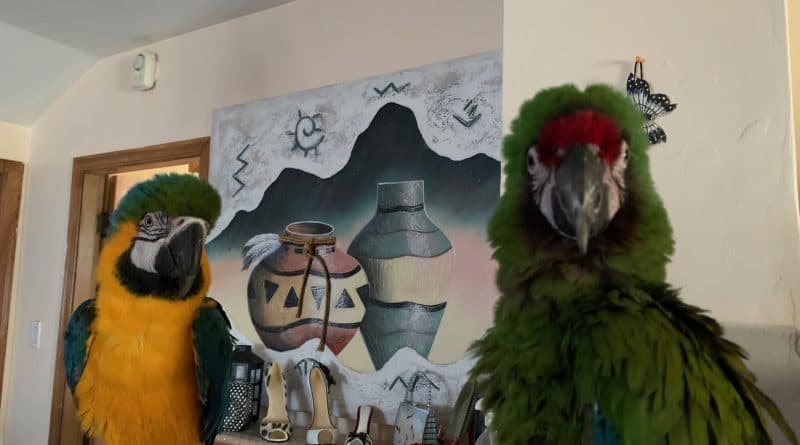
Five macaws are sitting in foster care right now, waiting for someone who actually knows what they're signing up for. Birdline Parrot Rescue, one of Canada's dedicated parrot rehoming organizations, posted the update on March 11, 2026, flagging all five birds as available and specifically calling for experienced adoptive homes. This isn't a case where first-time bird owners need apply. Macaws are a different league entirely, and Birdline is being direct about that.
If you've spent any real time in the parrot community, you already know why the "experienced only" designation matters so much with macaws. These are birds that can live 50 to 80 years depending on species, produce vocalizations that rattle windows, and have beaks capable of snapping a broomstick. They demand social engagement, mental stimulation, and an owner who won't flinch the first time a Blue-and-Gold decides to test the relationship. Birdline posting five of them at once signals a real and pressing need in the Canadian rescue system.
What "experienced home" actually means for a macaw
When a rescue like Birdline flags a bird as needing an experienced home, they're not being bureaucratic. They're telling you something specific about that bird's needs and history. Macaws surrendered to rescue often come from situations where the original owner underestimated the commitment: the noise, the daily interaction requirements, the sheer destructive capacity of a large psittacine with nothing to do. By the time a macaw reaches a foster home, it may have developed feather-destructive behaviors, heightened reactivity, or deep bonds with a specific gender or person type that make placement genuinely difficult.
An experienced macaw home typically means someone who has lived with a large parrot before, understands operant conditioning and positive reinforcement training well enough to apply it consistently, and has the physical setup to support a bird with a wingspan that can exceed three feet. Cage size alone is a commitment. Flight cages or very large macaw-rated enclosures, enrichment rotation, foraging setups, safe out-of-cage time: these aren't optional extras. They're the baseline.
Why five macaws at once is significant
Rescue organizations don't post five birds of the same category simultaneously unless there's genuine pressure on capacity. Birdline's March 11 update listing all five in one post suggests that foster resources are stretched and the pipeline of incoming surrenders isn't slowing. This is a pattern seen across North American parrot rescues in recent years as the novelty-pet acquisition surge that picked up during the pandemic years continues to cycle through into surrender statistics.
For the macaw-owning community specifically, this is a moment to take seriously. If you have the space, the experience, and the financial stability to support a large parrot, Birdline is actively looking for you. The organization operates across Canada, and their available parrots listing is maintained on their website for anyone wanting to review current birds and their specific profiles.
What the adoption process with a parrot rescue involves
Adopting from a rescue like Birdline isn't a same-day transaction, and it shouldn't be. The process is designed to protect the bird and set the placement up for success. Generally, the steps look like this:

1. Submit an application through Birdline's website, detailing your experience with parrots, your living situation, and what species or size of bird you're prepared to handle.
2. Participate in an interview or home check, either in person or virtually, so the rescue can assess whether your setup genuinely matches the needs of the bird you're interested in.
3. Review the specific bird's history, behavioral profile, and any known health or social considerations before committing.
4. Complete an adoption agreement and pay any associated adoption fees, which typically help offset veterinary and care costs the rescue has incurred.
5. In some cases, a trial or introductory visit period is arranged before the placement is finalized.
Birdline's approach prioritizes long-term successful placements over fast turnover, which is exactly what you want to see from a serious rescue organization.
Preparing your home before a macaw arrives
If you're seriously considering reaching out to Birdline about one of these five birds, preparation matters before you ever submit an application. Rescues are far more likely to approve placements where the applicant can demonstrate readiness, not just willingness.
- Cage and space: A minimum cage size for most macaws is 36 by 48 inches footprint, but larger is always better. A dedicated bird room or large flight enclosure is ideal.
- Avian vet access: Confirm you have a certified avian veterinarian within a reasonable distance before acquiring any large parrot. Macaws need annual well-bird exams at minimum.
- Diet knowledge: Macaws need a varied diet anchored around high-quality pelleted food, supplemented with fresh vegetables, fruits, and limited seed. Pure seed diets are a health liability.
- Enrichment budget: Budget for regular toy rotation. Macaws destroy toys, and that's the point. A bird that's destroying toys is a bird that isn't destroying itself or your walls.
- Noise tolerance: Be honest with yourself and everyone in your household. Macaw contact calls are not background noise. If you live in an apartment with thin walls, this is a real consideration.
Getting in contact with Birdline
The most direct path is through Birdline Parrot Rescue's website, where the available parrots section is actively maintained. The five macaws listed as of March 11 may change in status as applications are reviewed, so reaching out promptly matters if one of the birds matches your situation and experience level.
Fostering is also worth considering if permanent adoption isn't feasible right now. Foster families provide temporary homes that free up rescue capacity and help birds decompress and show their true personalities, which actually makes them easier to place permanently. If you're in Canada and have macaw experience but aren't ready for a lifetime commitment, a foster conversation with Birdline is worth having.
These five birds represent real animals with histories, personalities, and needs that deserve to be matched carefully. Birdline is doing the work of finding that match; the experienced macaw community in Canada is who they need to hear from right now.
This article was produced by Prism’s automated news system from verified source data, official records, and press releases, then run through automated quality and moderation checks before publishing. The system is built and supervised by the people who set the standards it runs under. Read our full AI policy.
Did this article answer your question?