Complete Pelleted Diets Offer Parrots Balanced Nutrition, Replacing Seed-Only Feeding
Seed-only diets are quietly shortening parrots' lives. Here's the honest, step-by-step owner's guide to switching your bird to pellets without the drama.
When Mango Refused to Eat Anything but Sunflower Seeds
Mango, a 9-year-old African Grey, was the picture of a spoiled bird: glossy feathers, loud opinions, and an absolute refusal to eat anything except sunflower seeds. His owner, like millions of parrot keepers, had assumed variety meant offering a different brand of seed mix. Then a routine avian vet visit changed everything. Mango's bloodwork flagged early-stage hepatic lipidosis, better known as fatty liver disease, and his calcium levels were off. The prescription wasn't medication. It was pellets.
If Mango's story sounds familiar, you're not alone. Seed diets are known to lead to an imbalance in the calcium to phosphorus ratio in birds, as well as creating amino acid deficiencies. Sunflower seeds, which tend to be preferred by many pet birds of the parrot family, are low in calcium, deficient in amino acids, and high in fat. Safflower seeds are actually higher in fat content than sunflower seeds, contrary to popular belief, and also contain inadequate amino acids and calcium. The bird eating exclusively from a seed bowl isn't thriving; it's slowly running a nutritional deficit.
Why Complete Pelleted Diets Are Now the Industry Standard
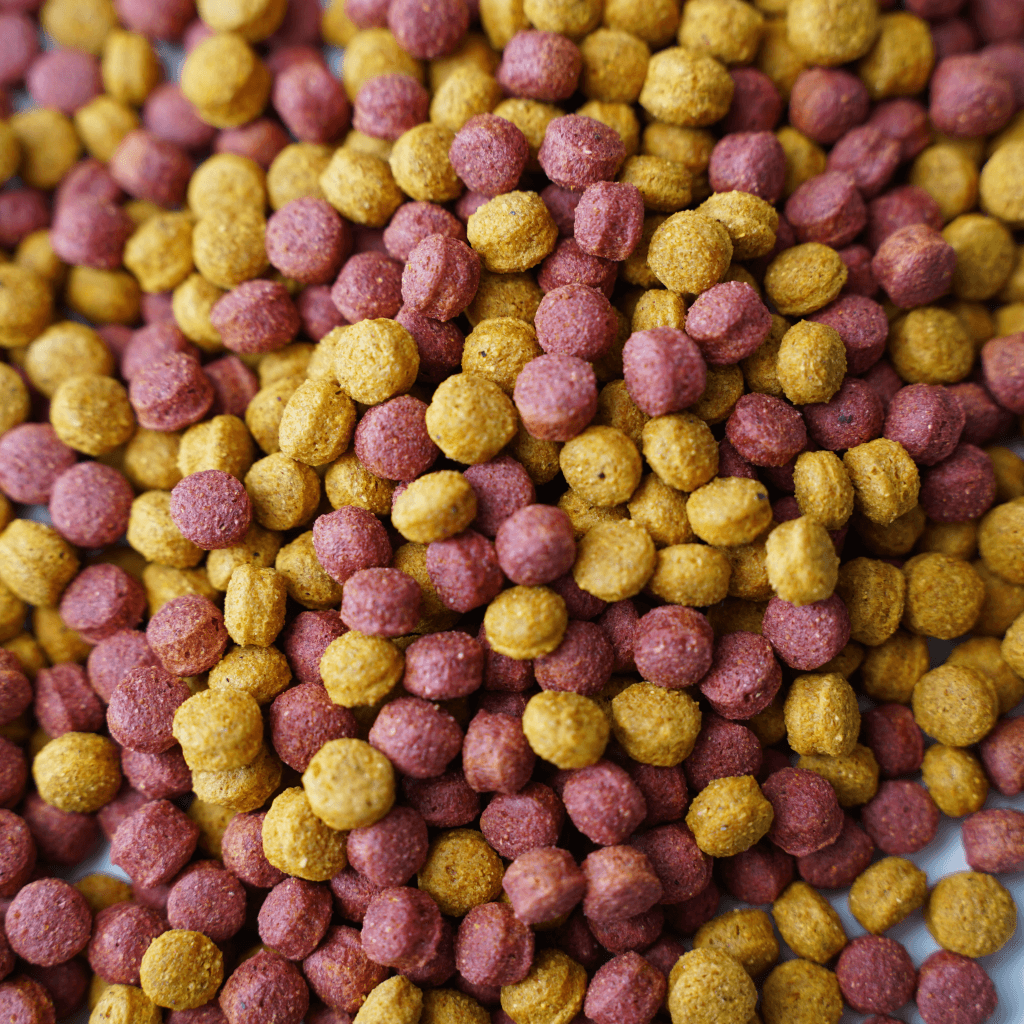
The move toward pelleted feeding reflects advances in pet-food science, including precision nutrition, fortification with vitamins and minerals, and controlled macronutrient profiles, that address nutritional deficiencies common to seed-only diets. Pellets reduce selective feeding, deliver a balanced micronutrient package, and can be formulated for life stage and species differences.
Pellets are an excellent food source and should represent approximately 60-70% of the bird's daily diet for species like Amazon parrots, with the remainder consisting of fresh fruit and vegetables with minimal seeds, if any. More broadly, current avian nutrition guidance recommends pellets as 60-80% of daily intake across many species, complemented by fresh produce, safe fruits and targeted enrichment treats. This isn't a one-size-fits-all formula: species, age, metabolic health and behavioural history all shape the right ratio. But for the average companion parrot still eating a bowl of mixed seeds, the shift toward a quality pelleted base represents one of the most meaningful health upgrades an owner can make.
The Transition Plan: Gradual Is the Only Way
Here is the uncomfortable truth about seed addiction: birds are stubborn, and while transitioning a seed-junkie to a pelleted diet can be stressful for both you and your bird, with proper guidance from a knowledgeable veterinarian, you will ultimately be able to improve your bird's nutrition and overall health. The critical word is "gradual." Abrupt switches are consistently rejected, and forcing them can cause stress-related illness or outright food refusal.
A reliable stepwise approach works like this:
1. Start with a 90/10 split. Offer 90% of the current seed with 10% new pellets and, with each day, reduce the seeds and increase the pellets by another 10%.
This gives your bird time to investigate the new food without triggering defensive rejection.
2. Use foraging enrichment from day one. Introduce pellets inside foraging puzzles and via scatter feeding to engage natural foraging behaviour.
A pellet your bird "finds" in a puzzle feeder has a meaningfully higher chance of being tasted than one sitting in a bowl next to a pile of sunflower seeds.
3. Warm or lightly flavour pellets in early stages. Briefly warming pellets or rubbing them with a piece of safe produce, like a slice of sweet potato or mango, can make them smell familiar and appealing during the adjustment period.
4. Hold the vitamin supplements. Consult an avian veterinarian before supplementing with vitamins, since a quality complete pellet is already fortified.
Double-dosing fat-soluble vitamins like A and D3 can cause toxicity, an easy mistake when owners combine fortified pellets with store-bought supplements.
5. Never withdraw seeds entirely until pellet acceptance is confirmed. Never withdraw seeds entirely without first being certain your bird is trying the pellets, as well as eating some fruits and vegetables.
Monitoring your bird's weight on a digital scale that measures in gram increments is a way to be sure your bird is maintaining its weight during the transition.
One encouraging data point: in one cited study, 90% of birds converted to a pellet diet within 6 days or less. The birds that don't convert quickly are typically those with long-term seed dependency or owners who revert to seeds at the first sign of protest.
The Two Failure Points That Derail Most Transitions
Seed addiction and owner capitulation are the leading causes of failed transitions. When a bird refuses pellets for a day or two and the owner fills the bowl back up with sunflower seeds, the bird learns precisely which behaviour produces the desired result. Consistent mealtimes and positive reinforcement matter here: brief morning and evening feeding windows, with pellets offered first, create structure that most seed-dependent birds eventually adapt to.
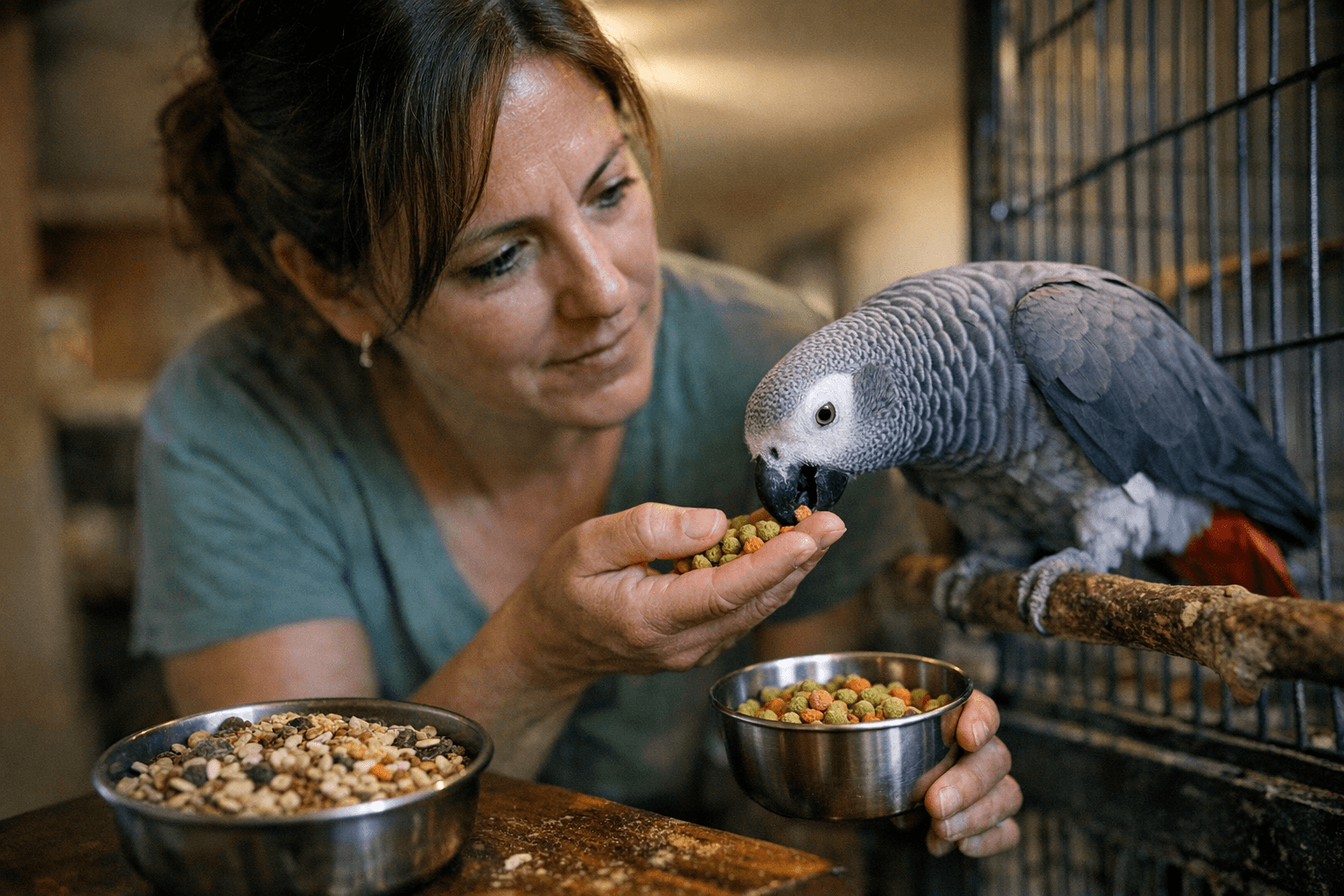
Rapid switches are the other common error. Jumping straight to 100% pellets in a single week is a recipe for weight loss, stress, and occasionally dangerous food refusal. A diet transition is different for each individual. Some parrots transition with ease while others prove to be difficult and may take some time. If your bird is among the resistant minority, some veterinary hospitals will board a bird for an average of 3 to 7 days and transition beloved companions onto a new diet. This method also allows the bird to be monitored closely for any signs of weight loss or problems with the transition.
Reading a Pellet Label: What to Look For and What to Avoid
Not all pellets are created equal, and the market includes products that deserve real scrutiny. A quality pellet should lead with identifiable whole-food ingredients: whole grains, legumes, and clearly named protein sources. Reputable manufacturers like Harrison's Bird Foods (developed by avian veterinarians and widely cited by avian vets), Roudybush, and TOP's Parrot Food publish transparent nutritional analyses and sourcing information.
Red flags on a pellet label include:
- Artificial colors listed as ingredients (titanium dioxide, synthetic dyes). Artificial colors may cause allergic reactions or other health problems in some birds.
- Corn sugar or added sugars near the top of the ingredient list. Several corn ingredients, including corn sugar, can add unnecessary weight to your bird, causing premature aging and other health problems often attributed to obesity.
- Vague ingredient sourcing with no nutritional guarantee panel.
- Products free of artificial ingredients, colors or flavors, and that do not use any sugars or fillers like corn, peanuts and soy are among the strongest choices for long-term feeding.
The fortification consistency of a pellet matters as much as its ingredient list. Budget pellet brands often use inconsistent vitamin-mineral premixes, meaning the micronutrient content varies batch to batch, which defeats the entire purpose of switching away from seeds.
The Owner's Practical Checklist
Before starting the transition and throughout the process, keep this checklist active:
- Species and age considerations: Juvenile birds, breeding hens and birds with known metabolic conditions (including fatty liver disease, like Mango's diagnosis) may need a veterinarian-guided protocol rather than a home-managed gradual switch. Smaller species like cockatiels and budgerigars are historically among the most resistant to dietary change and may require more patience.
- Weekly weigh-ins: Use a digital kitchen scale accurate to the gram. A loss of more than 10% of body weight during transition warrants an immediate vet call, not a return to seeds.
- Droppings monitoring: If there are minimal or black feces in the droppings, a visit to the veterinarian is warranted. Normal droppings during transition may be slightly looser or more varied in colour as the diet shifts; severe changes are a different matter.
- Feather condition and activity levels: Increased feather condition and energy over weeks two through four of a successful pellet transition are among the most satisfying markers owners report.
- Vet consult triggers: Sudden lethargy, prolonged food refusal beyond 24 hours, significant weight loss, or abnormal droppings all require veterinary attention rather than dietary troubleshooting at home.
- Enrichment alongside nutrition: Overreliance on pellets in a bare bowl without environmental enrichment can contribute to boredom and behavioural problems. Using pellets inside foraging toys satisfies both nutritional and psychological needs simultaneously, which is precisely the kind of dual-purpose feeding that makes the transition stick long-term.
Mango eventually converted. It took four weeks, a lot of sweet potato-scented pellets, and one foraging tube his owner hung from the cage bars. His vet follow-up a year later showed normalised liver values and calcium levels back in range. The seeds hadn't been his friend. The pellets, slowly and stubbornly introduced, were.
This article was produced by Prism’s automated news system from verified source data, official records, and press releases, then run through automated quality and moderation checks before publishing. The system is built and supervised by the people who set the standards it runs under. Read our full AI policy.
Did this article answer your question?