Deadly parrot bornavirus 4 detected in India for the first time
PaBV-4 has been detected in India for the first time, including in healthy cage mates. The finding raises the alarm for parrots, breeders, and rescues.

Scientists in India have identified parrot bornavirus 4, or PaBV-4, for the first time in the country, and the finding lands with real force for anyone keeping parrots in shared housing. The virus is tied to proventricular dilatation disease, a largely fatal illness that attacks the digestive and nervous systems, and it can sit inside a bird room long before the first obvious sick bird is singled out.
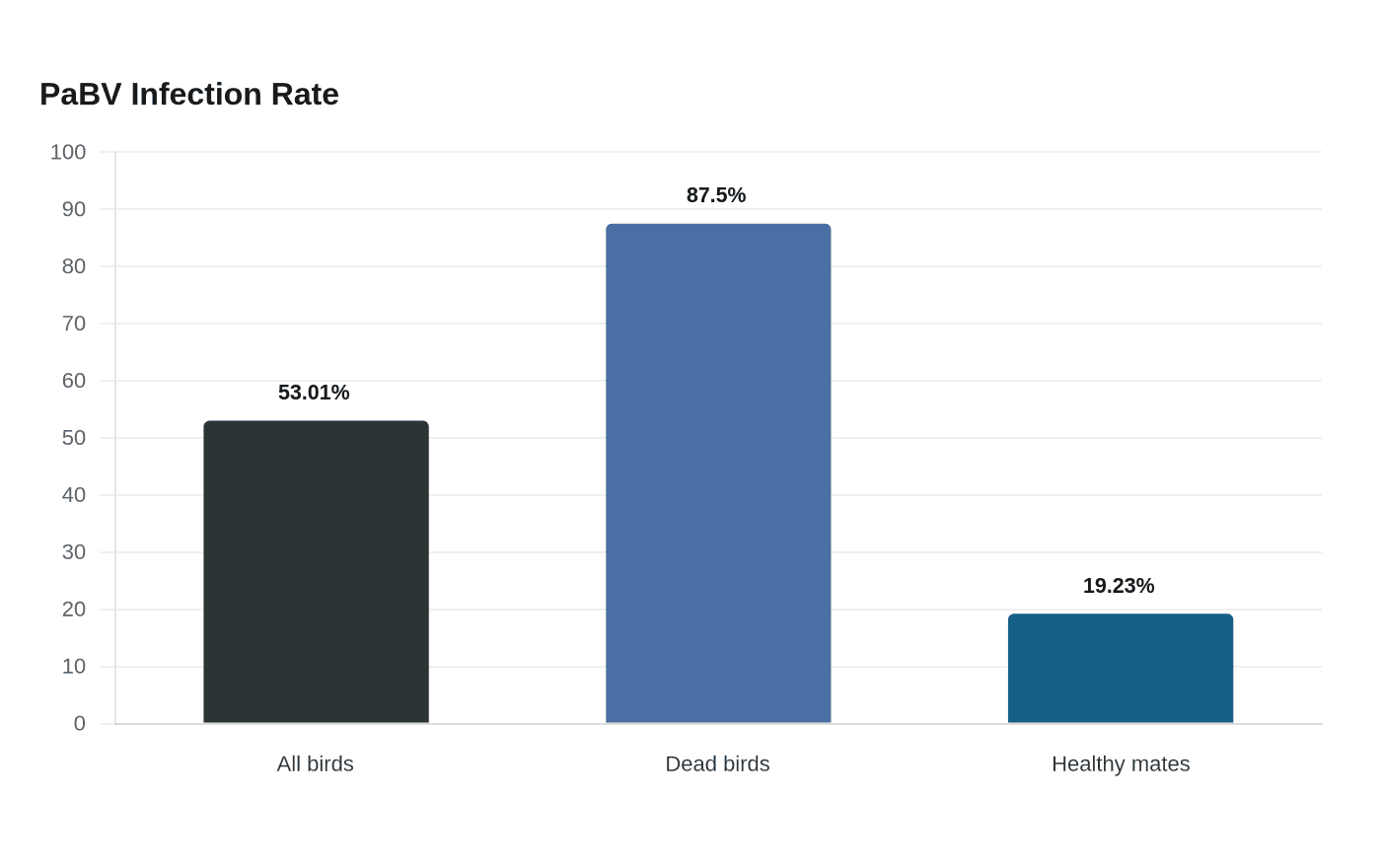
The work, led by Pankaj Deka, Sangeeta Das, Ritam Hazarika and colleagues at Assam Veterinary and Fishery University in Guwahati, with help from Greens Zoological Rescue and Rehabilitation Centre in Jamnagar and Wildlife Trust of India in Assam, was published online in Scientific Reports on June 15, 2026. The team tested 83 captive psittacines from 13 species sampled in Assam, Karnataka and West Bengal between 2020 and 2024, and found PaBV infection in 44 birds, or 53.01 percent. Sequence analysis of the matrix gene identified the virus as PaBV-4, and the paper says there had been no prior publication documenting circulation of Orthobornavirus alphapsittaciforme, the parrot bornavirus group with the highest veterinary relevance, in captive psittacines in India.
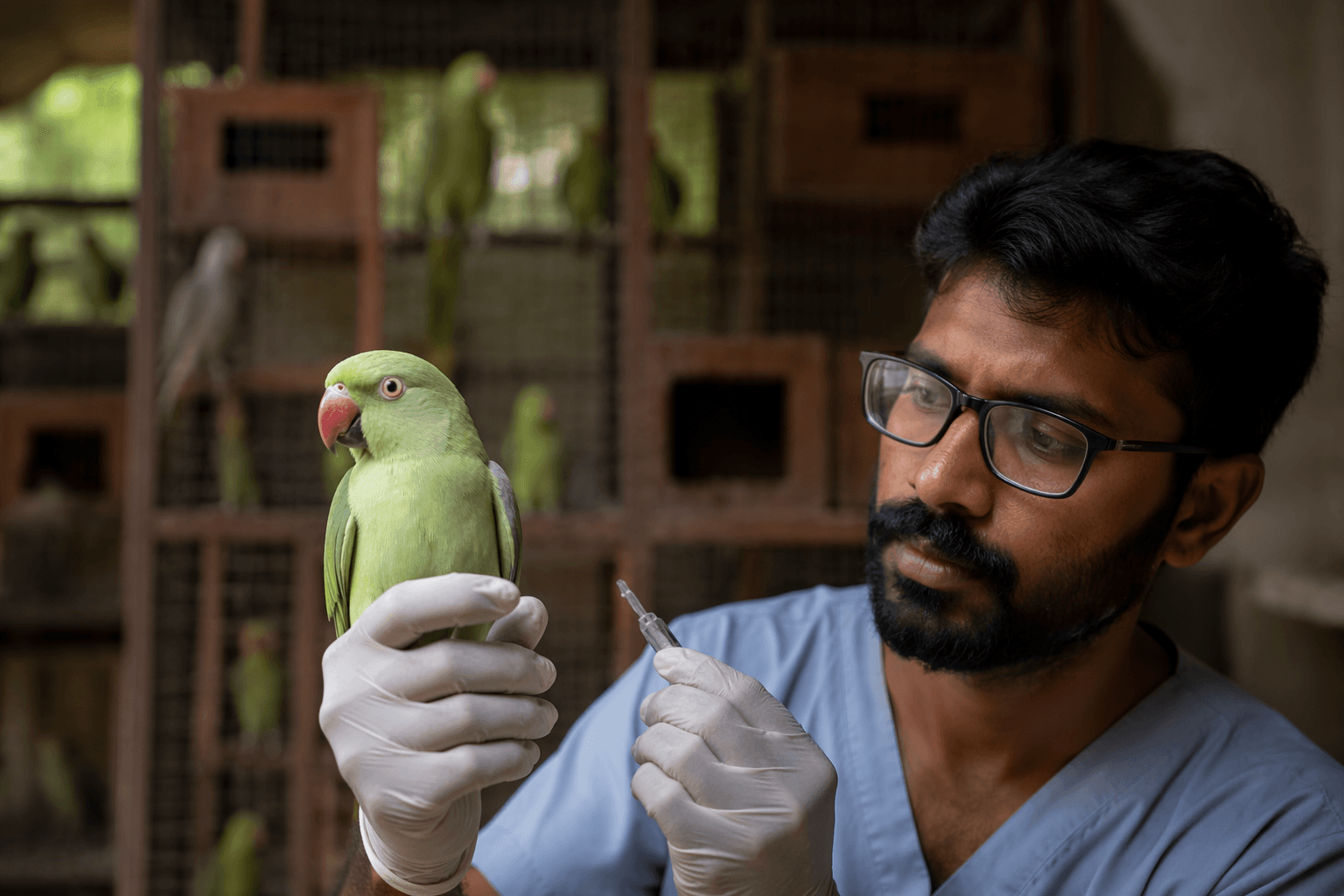
The positives were not limited to birds already in distress. Of the birds tested, 21 of 24 dead birds were positive, 87.50 percent, and 5 of 26 clinically healthy cage mates also carried the virus, 19.23 percent. The sample included African grey parrot, ochre-marked parakeet, yellow-collared macaw, eastern rosella, blue-crowned hanging parrot, rainbow lorikeet and scarlet-chested parrot, which is exactly why breeders and rescues need to think beyond the visibly ill bird in the corner cage.
For owners, the warning signs are the ones parrot people know too well: weight loss, regurgitation, weakness, poor coordination, digestive trouble and sudden behavior changes. If a bird shows those problems, get an avian veterinarian involved quickly. In multi-bird homes, quarantine every new arrival, keep food and water bowls, cage tools and cleaning gear separate, and avoid moving from one flock to another without changing clothing and washing hands first.
The conservation angle matters just as much as the pet-bird warning. The study points out that endangered, vulnerable and near-threatened species often depend on captive breeding to survive, and a virus that can travel quietly through apparently healthy cage mates is exactly the kind of threat that can unravel a breeding room before anyone realizes what is happening.
This article was produced by Prism’s automated news system from verified source data, official records, and press releases, then run through automated quality and moderation checks before publishing. The system is built and supervised by the people who set the standards it runs under. Read our full AI policy.
Did this article answer your question?