Georgia Confirms Highly Pathogenic Avian Flu in Backyard Flock
A Pierce County backyard flock went from rising deaths to a confirmed avian flu case in three days, a warning for parrot homes to lock down biosecurity now.
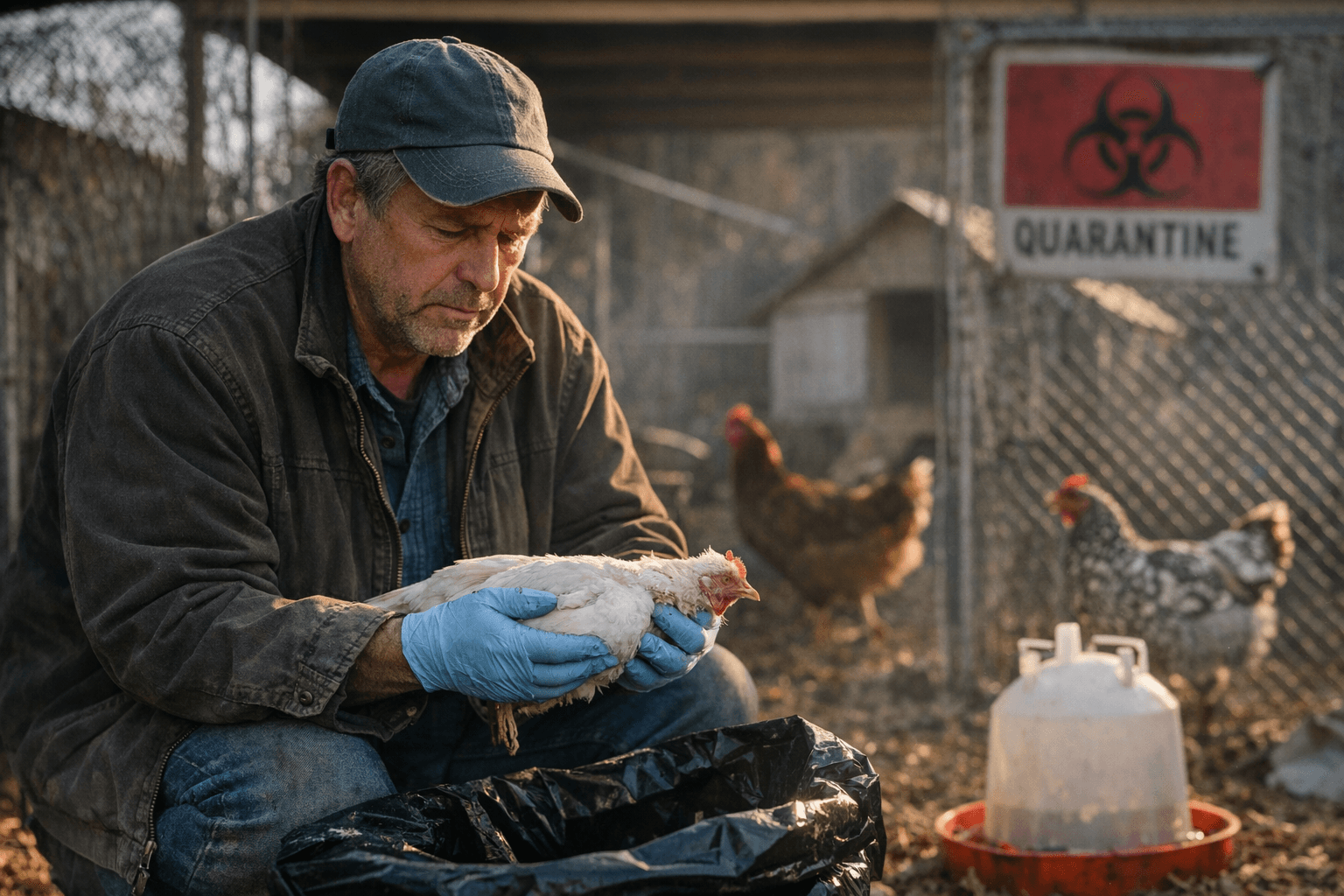
A backyard-flock bird flu case in Georgia means parrot households should tighten routines now. In Pierce County, the state confirmed highly pathogenic avian influenza in a non-commercial flock of about 60 chickens, ducks, geese and turkeys after the owner first noticed increased deaths on April 10.
The timeline is the part bird keepers should not ignore. The owner contacted the Georgia Poultry Laboratory Network on April 14. Staff collected samples on April 15, those samples were flagged as non-negative the same day, and the U.S. Department of Agriculture’s National Veterinary Services Laboratories confirmed the positive result on April 17. By then, the flock had already been depopulated, and Georgia officials said cleanup and disinfection were finished on April 16.
State agriculture officials said the most likely source was contact with wild birds or virus shed into the environment. They also noted there were no commercial poultry or dairy operations within a 10-kilometer radius of the affected premises, which helps explain why this case reads like a backyard warning instead of a barn-to-barn blowup. It still matters far beyond chickens and turkeys. Once a virus is moving through wild-bird traffic or contaminated surroundings, the same pathways can put companion birds at risk through shoes, outdoor cages, porch time, feed bins, shared tools and any routine that lets the outside world cross into a bird room.
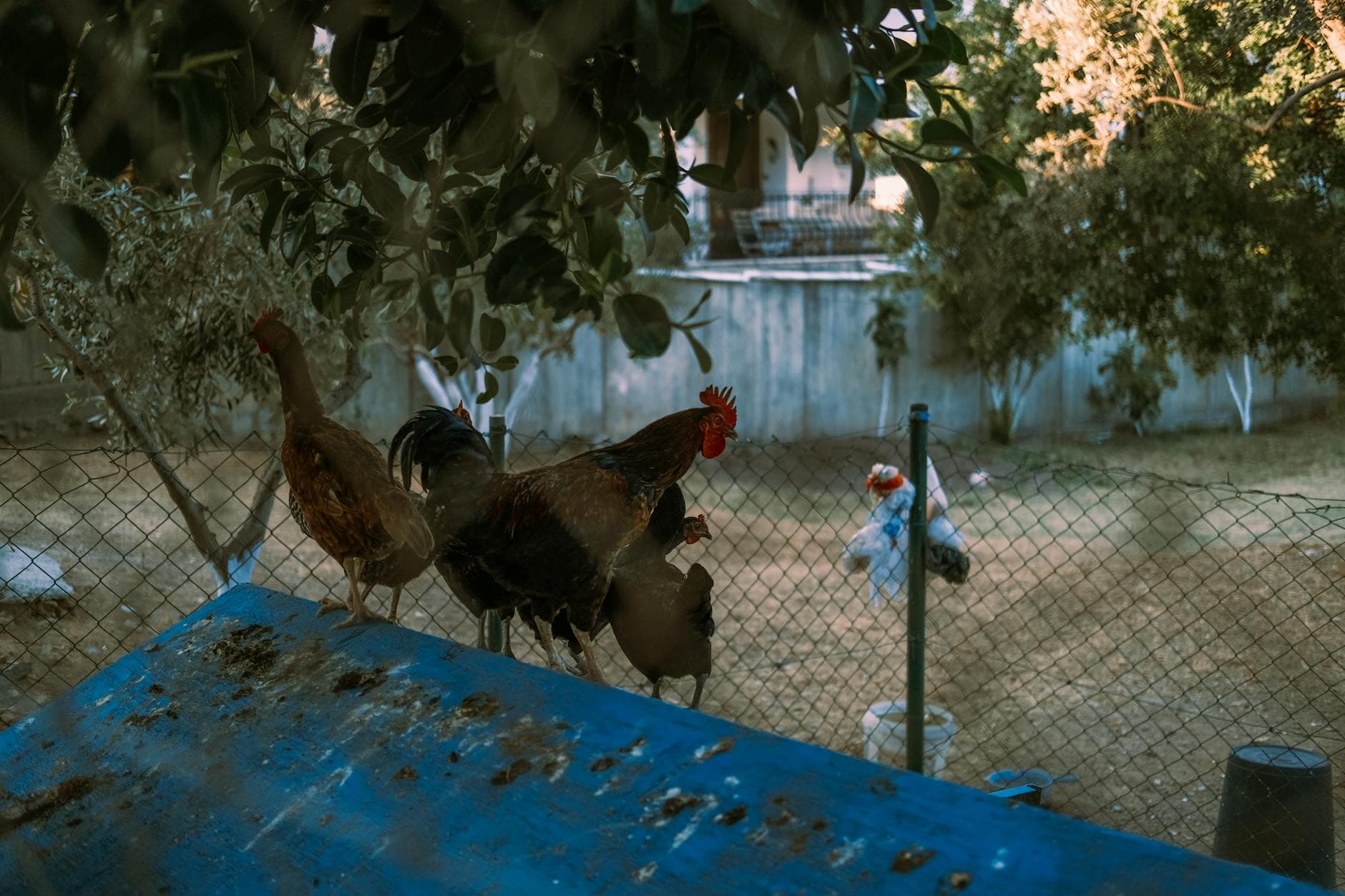
For parrot homes, the practical response starts at the door. Change shoes before entering bird spaces, keep visitors limited, and treat any day spent around poultry, ponds, feeders or wild birds as a high-risk day. Keep cages, carriers, bowls and cleaning tools from drifting between indoor and outdoor use. Store feed sealed and off the floor so it is not exposed to rodents, moisture or wandering wildlife. If a bird has been outside, or has had any contact with open-air spaces where wild birds land, bring the routine back inside and cut off unnecessary exposure until the environment is under control.
Georgia’s notice also pointed bird owners toward speed. Sudden illness, unexplained deaths and any respiratory trouble should trigger immediate caution and a call to an avian veterinarian, not a wait-and-see approach. A backyard flock can go from the first dead bird to a confirmed outbreak in less than a week, and that pace is exactly why parrot households need to treat every odd symptom as a possible emergency, not a minor wobble.
This article was produced by Prism’s automated news system from verified source data, official records, and press releases, then run through automated quality and moderation checks before publishing. The system is built and supervised by the people who set the standards it runs under. Read our full AI policy.
Did this article answer your question?