Parrot Nutrition Webinar Links Diet, Foraging, and Behavior
A parrot that screams, plucks, or bites may be telling you the diet is off. ZAA’s April 29 webinar ties food, foraging, and movement to behavior and body condition.
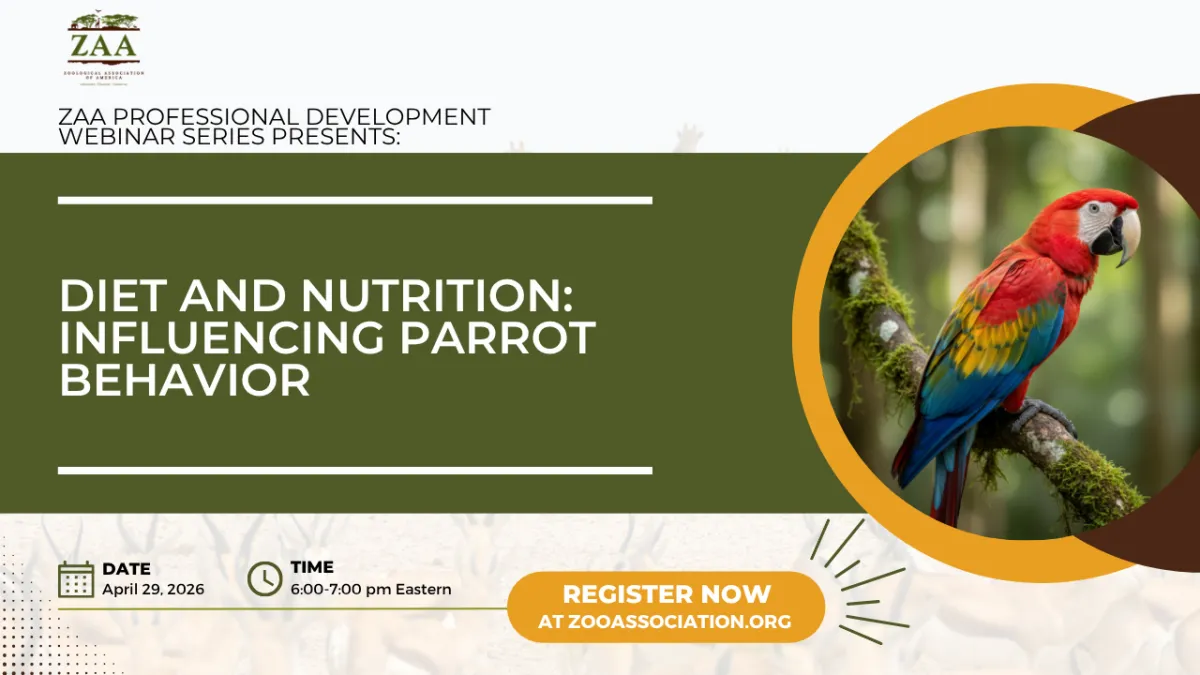
A parrot that starts screaming at dawn, nips harder than usual, or picks at feathers may not be “acting out” so much as reacting to the way it is being fed and housed. The Zoological Association of America is using a parrot-specific professional-development webinar to push that message into the center of bird care, linking diet, foraging, movement, and behavior instead of treating them as separate problems.
The April 29 session, Diet and Nutrition: Influencing Parrot Behavior, will be presented by Cassie Malina, CPBT-KA, CPBC, owner of Awesome Animal Solutions. ZAA says the program sits inside a broader webinar effort tied to an association that accredits more than 70 facilities and supports a community of more than 950 members across zoological, rescue, rehabilitation, and conservation organizations. That framing matters because this is being treated as animal management education, not just a pet-owner pep talk.
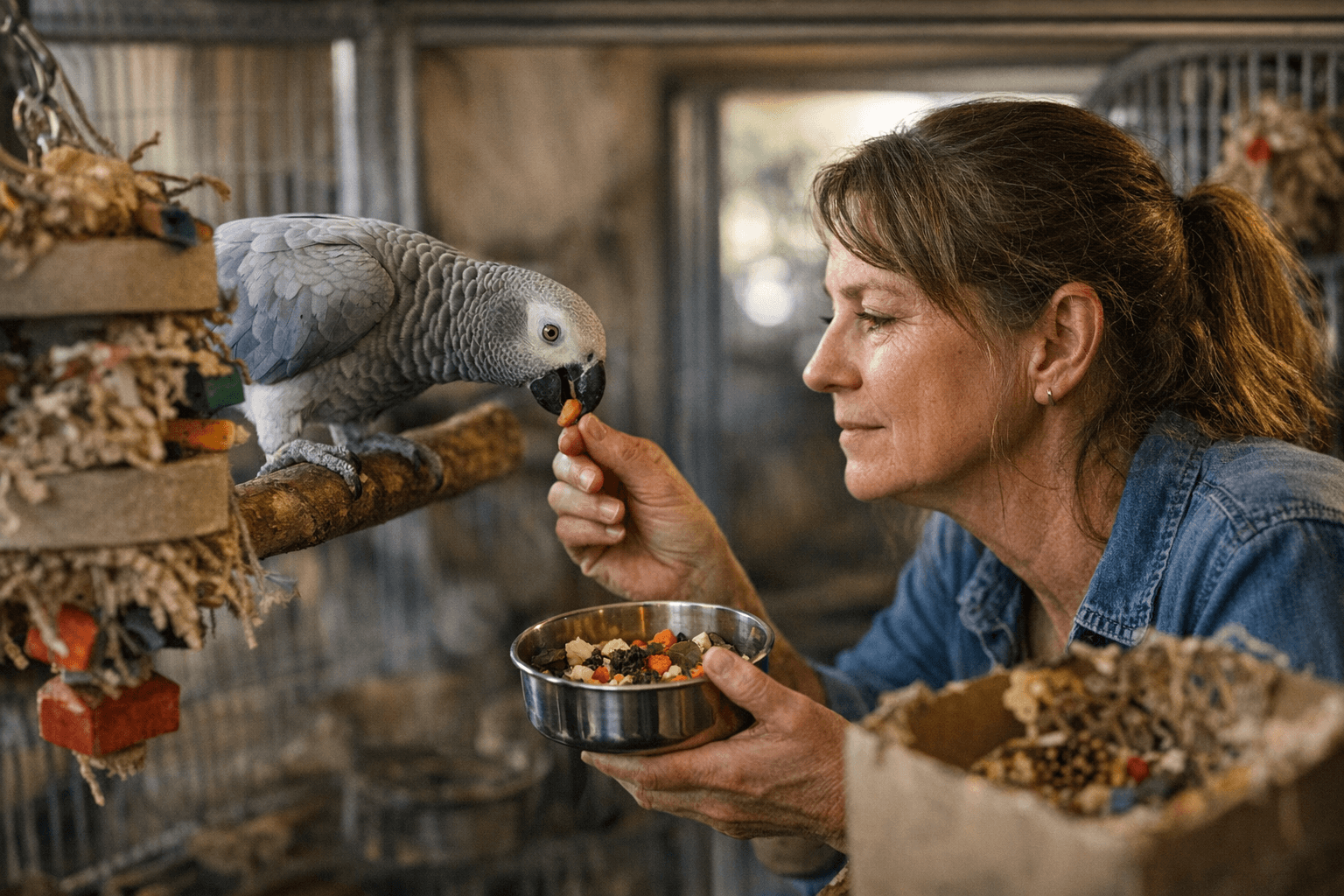
The core idea is simple but easy to miss in day-to-day bird keeping: what parrots eat, and how they get that food, shapes how they feel and how they behave. ZAA says many animals in managed care become overweight when they are given energy-dense diets and too little activity, a pattern that can leave parrots sluggish, frustrated, and less engaged with training. In that context, a bird that screams for attention or resists handling may be showing the effects of an off-balance routine, not a personality flaw.
That is where the webinar’s focus on balanced nutrition, natural foraging, and movement comes in. For parrot owners, the practical lesson is not to chase every behavior issue with more discipline. It is to look first at whether the bird is eating a diet that supports healthy body condition, has to work a little to find food, and gets enough movement to stay mentally and physically occupied. Food can be part of the solution as much as part of the problem, especially when it is used strategically to support training and good behavior.
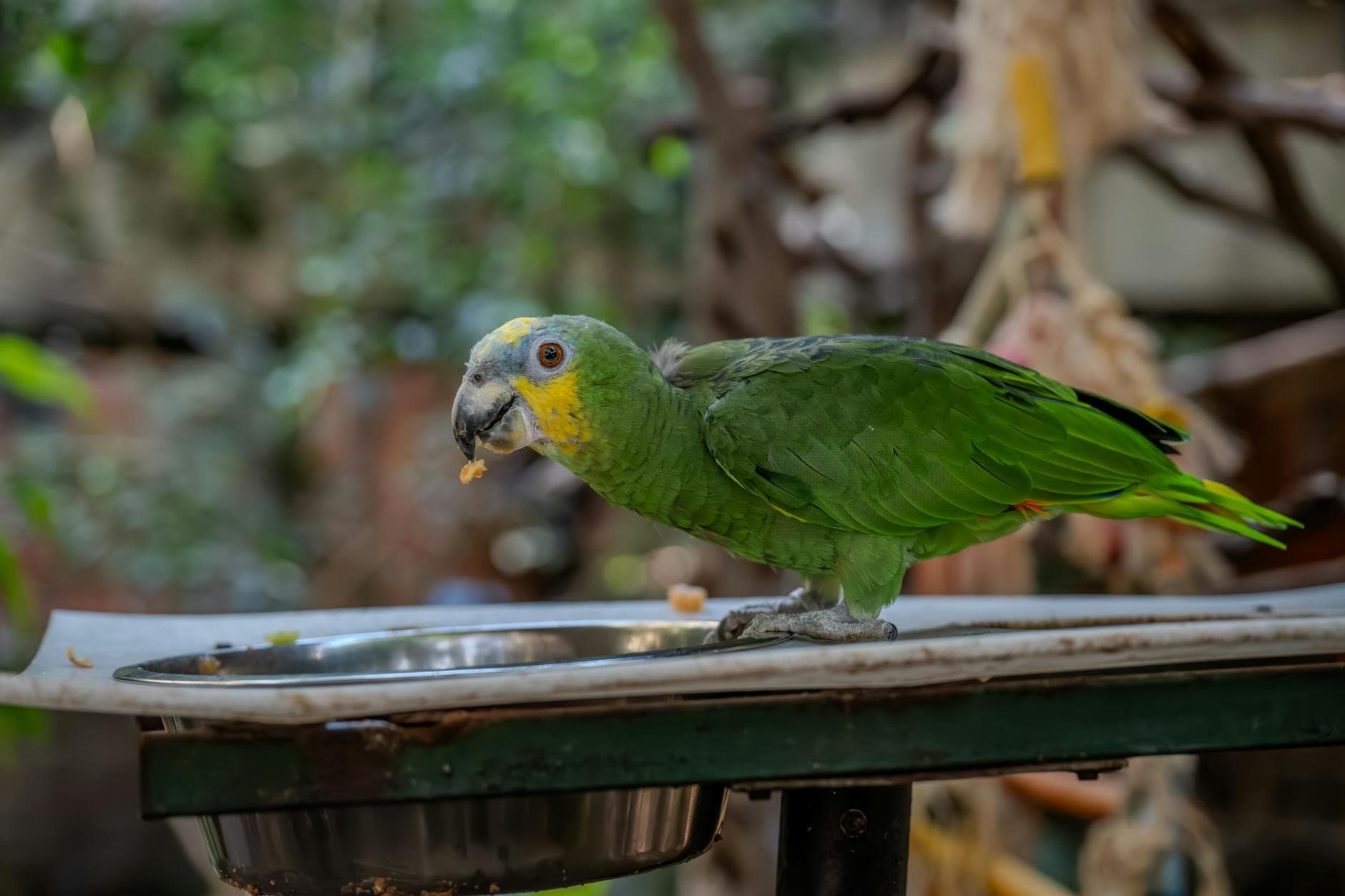
The fix-first approach is straightforward: check the diet, build in foraging, and make room for movement before assuming a bird is just difficult. In parrot care, nutrition is never only about the bowl. It is one of the strongest tools available for improving day-to-day behavior, welfare, and quality of life.
This article was produced by Prism’s automated news system from verified source data, official records, and press releases, then run through automated quality and moderation checks before publishing. The system is built and supervised by the people who set the standards it runs under. Read our full AI policy.
Did this article answer your question?