H5 bird flu reaches Australia, threatening the orange-bellied parrot
Australia’s first mainland H5 cases landed in wild birds, and the threat is sharpest for the orange-bellied parrot, with fewer than 50 left in the wild.
Australia had five confirmed H5 bird flu detections in wild birds by 1 July 2026, four in Western Australia and one in South Australia, after the first mainland case was confirmed from a sick brown skua at Cape Le Grand National Park near Esperance. Federal agencies said there was no evidence of mass mortality or poultry infection, but the arrival of H5N1 clade 2.3.4.4b on the mainland ended Australia’s run as the last continent free of the virus on mainland terrain.
The strain matters because this is not a routine seasonal outbreak. H5N1 clade 2.3.4.4b has spread rapidly overseas and has been tied to major wildlife and poultry losses, with DCCEEW warning that H5 bird flu poses significant risks to wildlife, ecosystems and especially threatened species. The first mainland detection was linked to a bird found on 14 June 2026 and confirmed on 20 June, a short gap that underlines how quickly field sightings can turn into a national wildlife emergency.
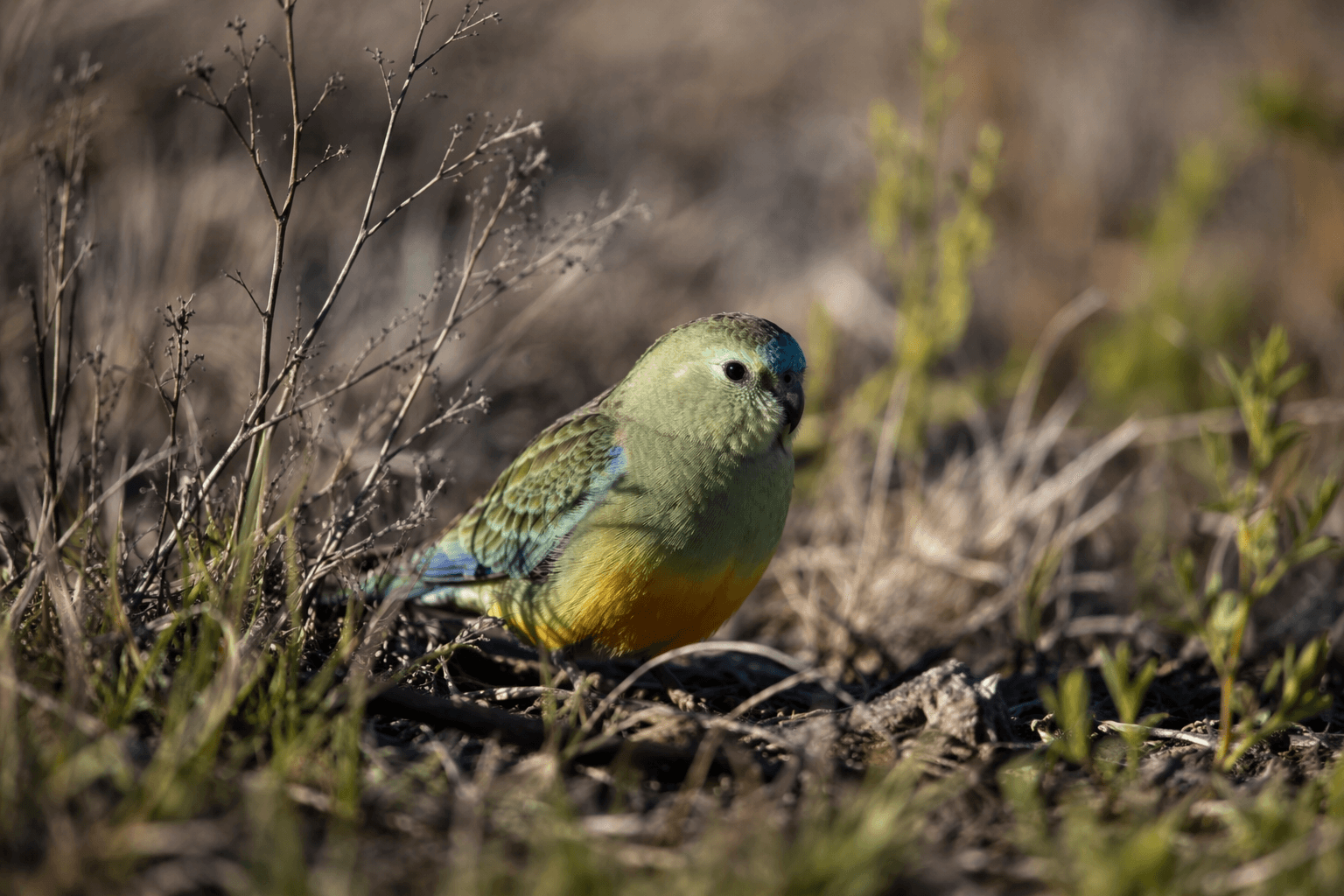
For the orange-bellied parrot, the danger is severe. Fewer than 50 birds remain in the wild, and the species breeds in south-west Tasmania in summer before moving to coastal south-eastern Australia for the rest of the year. That migration pattern creates multiple points of exposure, from breeding habitat to mainland stopover sites, and even a small cluster of deaths could be enough to push the species into a collapse from which recovery would be difficult.
The latest recovery update gave a glimpse of how fragile the population remains. The 15 December 2025 census recorded 86 birds returning to Melaleuca, and BirdLife Australia has said 2026 could be an important year for the species while noting the decline continues even within its estimated range. For a bird already balanced on the edge, a pathogen that can move through wild birds so efficiently changes the stakes overnight.
Conservation agencies are now focused on the parts of the response that can still make a difference. Emergency surveillance, habitat management, strict aviary biosecurity and predator control all become more urgent when a disease can enter wild populations and then become impossible to eradicate. The Australian Government has committed more than $113 million to surveillance, preparedness and response capability, while state and territory governments are coordinating through nationally agreed animal-disease plans.
That is the narrow window now open for the orange-bellied parrot and other threatened birds: keep the virus from taking hold in wildlife, protect the habitat they still use, and reduce every avoidable pressure before H5 moves from a mainland intrusion to a permanent feature of Australia’s birdlife.
This article was produced by Prism’s automated news system from verified source data, official records, and press releases, then run through automated quality and moderation checks before publishing. The system is built and supervised by the people who set the standards it runs under. Read our full AI policy.
Did this article answer your question?