Safe Parrot Fruits Guide Balanced Nutrition, Serving Tips, and Risks
Fruit brightens a parrot's day, but the bowl works best when sweet bites stay small, fresh, and clearly outnumbered by pellets and vegetables.
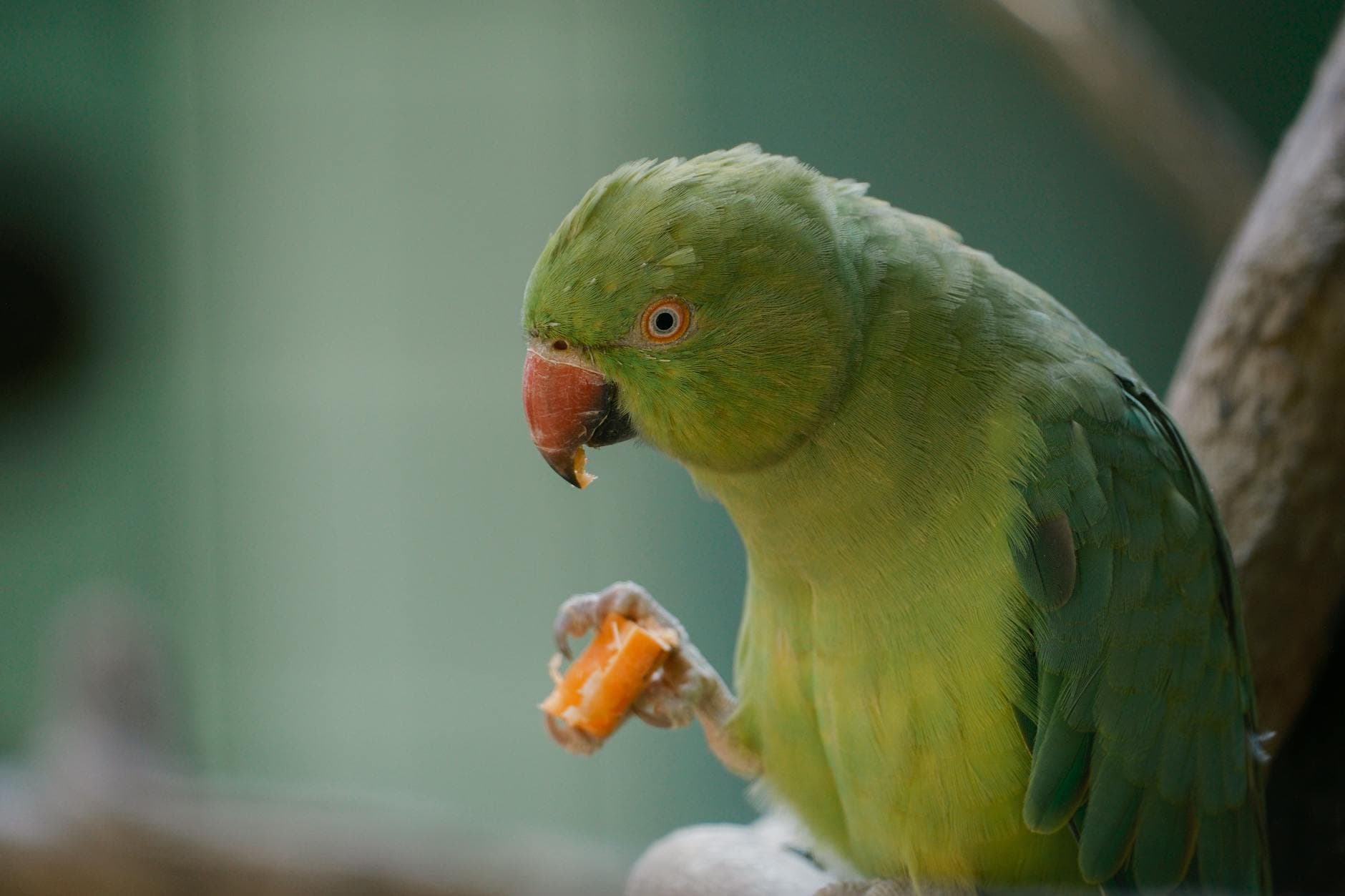
When a parrot starts picking out the sweetest pieces and leaving the rest behind, fruit has stopped being enrichment and started running the diet. That matters in a home cage, where parrots burn far less energy than they do in the wild, sometimes 10 to 15 times less, so even a healthy fruit can become too much if the portions drift.
Best fruits: the safe, fresh pieces that fit the daily ration
The strongest fruit choices are the ones that bring color and moisture without turning the bowl into dessert. World Parrot Trust examples include banana, melon, apple without pips, papaya, pineapple, berries, kiwi, cherries, apricots, and peaches without pits. Those foods can add vitamins, fiber, moisture, and antioxidants, but they work best as part of a wider feeding pattern, not as the centerpiece.
Fresh is the form that earns the first place here. Veterinary guidance says fresh fruits and vegetables are more nutritious than frozen and thawed, canned, or freeze-dried versions. Washing and cutting matter too, because a safe fruit still needs to be served in a way a bird can handle easily, without sticky residue, oversized chunks, or peel and seed hazards.
Occasional treats: where sweet fruit starts to crowd out balance
Fruit is healthy only when it stays in its lane. VCA Animal Hospitals says birds should have a base diet of nutritionally complete pellets, plus vegetables and a small offering of tropical fruit every day, with fresh produce making up no more than 20% to 40% of the diet. UC Davis School of Veterinary Medicine puts most pet birds in a similar range, at about 50% to 75% pellets and 25% to 50% fresh vegetables and fruits, while the MSD Veterinary Manual says larger parrots are often fed about 80% pellets, 10% to 15% vegetables, and 5% to 10% fruit.
That small fruit portion is the practical answer to a common mistake: assuming a bird that loves fruit should get more fruit. Sweet produce can crowd out pellets and vegetables fast, and that is where the trouble starts. Merck Veterinary Manual notes that many illnesses in pet birds have their basis in malnutrition, and obesity is common in companion birds, tied to high-fat diets, too much food, and sedentary lives. Obese birds face higher risk of arthritis, fatty liver disease, atherosclerosis, and cardiac disease.
There is another subtle risk here. A PubMed-indexed study on African grey parrots linked iron accumulation in part to birds selectively eating too much fruit and vegetables high in ascorbic acid. Fruit can be useful, but if it becomes the bird’s favorite food, the nutritional balance can tilt in the wrong direction.
Avoid entirely: the risky parts owners miss
This is where fruit care becomes less about the flesh and more about the hidden hazards inside it. The obvious example is avocado, which Merck says can poison animals in all parts of the plant, including the fruit, leaves, stems, and seeds, and caged birds appear especially sensitive. Merck reports that as little as 1 gram of avocado fruit can cause agitation in budgerigars, and 8.7 grams of mashed avocado can be fatal within 48 hours.
VCA also flags avocados, onions, and garlic as foods to avoid for birds. Beyond those toxic foods, the risky mistake many owners make is confusing safe flesh with unsafe pits, pips, and seeds. Apple without pips is fine in the right portion, but the pips themselves are not part of the serving. Cherries, apricots, and peaches should be offered without pits, not as a whole fruit tossed into the bowl.
How to serve fruit without upsetting the bird
A good fruit routine is calm, gradual, and boring in the best possible way. Introduce new fruit slowly so the bird has time to accept it and so you can spot digestive upset or refusal before it becomes a pattern. A parrot that has lived on seeds alone may need time to learn that a fruit cup is not the whole meal, just one small part of a broader menu.
- Wash fruit well before serving.
- Cut it into manageable pieces.
- Remove pits, pips, stems, leaves, and any inedible parts.
- Keep fruit portions small and predictable.
- Offer new items one at a time instead of loading the dish with several changes at once.
Simple serving habits do a lot of the heavy lifting:
If a bird seems hesitant, that does not mean the fruit is unsafe. It may just mean the texture, temperature, or presentation is new. The goal is not to force a dramatic makeover overnight. It is to build trust around a wider range of foods so the bird learns that pellets, vegetables, and fruit all have a place.
The bigger diet picture: why fruit works best as support
The best fruit advice only makes sense when the rest of the diet is in order. World Parrot Trust emphasizes that parrots in the wild eat a wide variety of foods, and captivity should aim for dietary diversity rather than a perfect copy of the wild menu. That idea fits the reality of home care: the bird does not need a rainforest replica, but it does need variety, structure, and restraint.
That structure matters because seed-heavy diets create their own problems. Merck says all-seed diets and even 50/50 seed-pellet diets can be deficient in vitamin A. A separate PubMed study found that ingredient segregation in multi-component seed diets can reduce mineral supplements and worsen the calcium-to-phosphorus ratio, which means the bird may not get the balance the label seems to promise.
The most practical habit of all is simple: weigh the bird weekly. Merck recommends regular weighing because body condition changes can be easy to miss until they are already a health issue. In a well-run parrot kitchen, fruit is colorful, appealing, and useful, but it never gets to decide the shape of the whole diet.
This article was produced by Prism’s automated news system from verified source data, official records, and press releases, then run through automated quality and moderation checks before publishing. The system is built and supervised by the people who set the standards it runs under. Read our full AI policy.
Did this article answer your question?