Clean Feeders, Halt Salmonella Spread Among Songbirds and Siskins
Dirty feeders can move salmonella from wild birds to your bird room. For parrot homes, the fix is simple: clean hard, isolate harder, and treat every feeder like a biosecurity risk.
Why this matters if you keep parrots
A seed feeder is not just a wild-bird accessory. When salmonella is moving through siskins or redpolls, the same debris, splash, and contaminated hands that spread it outside can become a problem inside a parrot home. The Food Standards Agency says Salmonella lives in the intestines of infected animals and humans and is shed through feces, which is why anything that contacts feeder waste, seed hulls, or bath water deserves real respect.
If you bring feeder parts, wild-bird seed, or wet cleaning tools through the house, stop treating them like garden gear and start treating them like possible contamination. Wash hands after every feeder job, keep them away from parrot bowls and food-prep surfaces, and do not touch a sick bird outside or inside without a full cleanup.
Why siskins turn a small problem into a flock problem
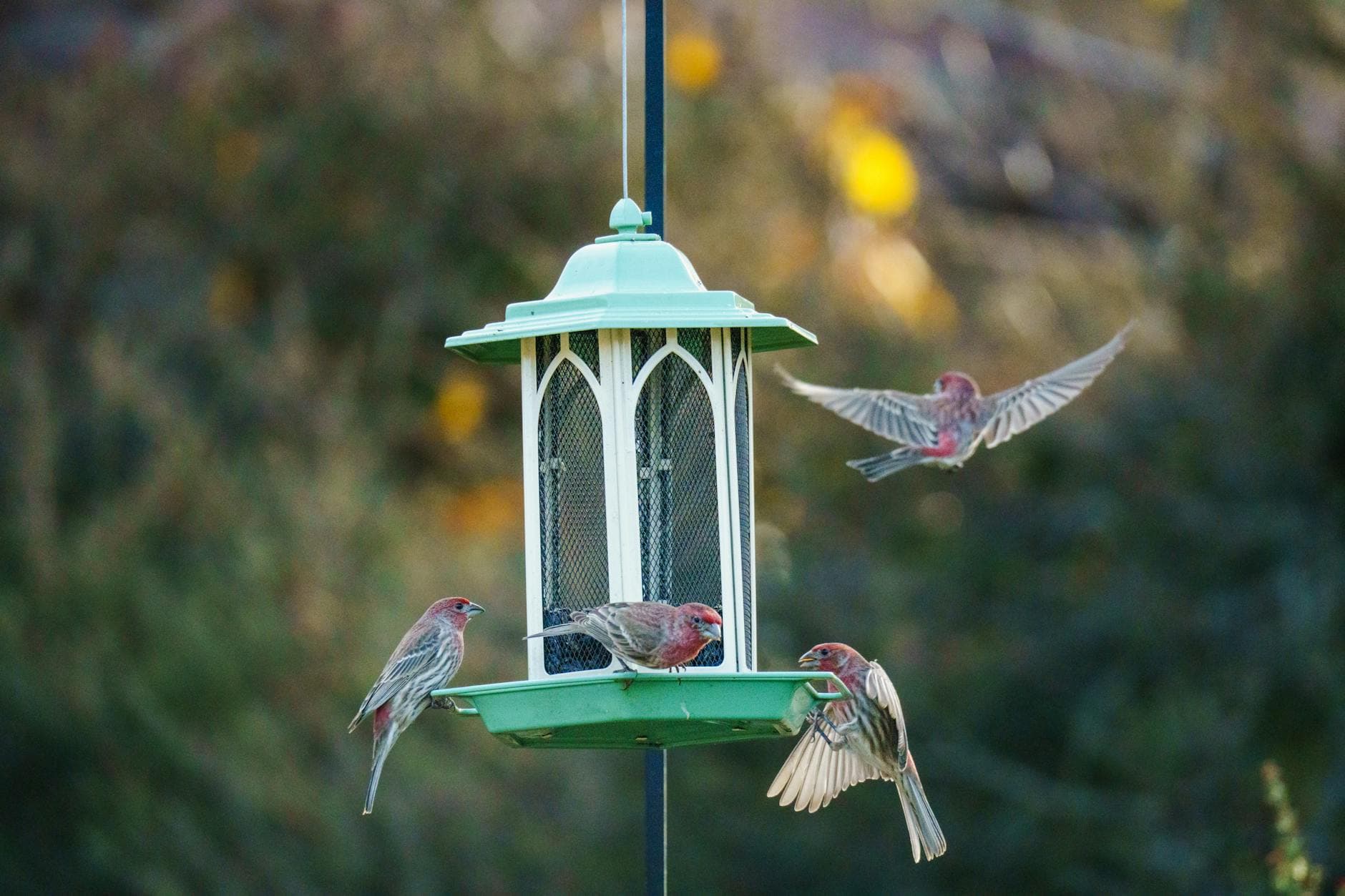
Pine Siskins are the species to watch because they pile into feeders in dense flocks during irruption years. That crowding is exactly what salmonella likes. Audubon notes that a major Pine Siskin irruption can follow a warm summer by about two and a half years, so when a feeder suddenly goes from quiet to packed, the disease math changes fast.
This is not a new warning. A March 30, 1998 Cornell Chronicle report already recorded scientists warning about salmonellosis in redpolls and other flocking songbirds. The pattern has changed in scale and speed, not in basic mechanics: crowded birds, shared seed, shared droppings, and one contaminated feeder turning into many exposed birds.
What to do the moment you see sick birds
If you find lethargic birds, filthy feeder trays, or obvious sick-bird activity, pull the feeders. The Cornell Wildlife Health Lab says removing bird feeders and seed waste during outbreaks may help reduce songbird transmission, and the practical version is plain: take the food source away before it keeps feeding the outbreak. In a sick-bird event, many experts advise leaving feeders down for about two weeks, then bringing them back only after a full clean.
Do not just refill the same hardware and hope for the best. Rake up spilled seed, hulls, and droppings beneath the station, then scrub the feeder parts so you are not reopening the same contamination loop.
The cleaning routine that actually holds up
The most useful guidance here is boring, which is exactly what makes it work. Project FeederWatch and Audubon recommend cleaning seed feeders about every two weeks, and more often if disease is suspected. Canada.ca gives the practical mix: one part household bleach to nine parts water, followed by a thorough rinse and complete drying.
A simple feeder reset
1. Take the feeder down.
2. Empty out every seed hull and wet scrap.
3. Wash with the 1:9 bleach solution.
4. Rinse well so no bleach remains.
5. Let it dry completely before hanging it back up.
6. Rake the ground under the feeder and remove waste.
That final drying step matters more than people think. A damp feeder tray is not clean just because it was dipped in bleach, and wet seed debris around the base can keep bacteria in circulation.
How this becomes parrot biosecurity
For a multi-bird house, the real question is not whether a wild feeder is messy. It is whether that mess can walk indoors on your hands, shoes, bowls, or tools and end up near your parrots. The safest answer is yes, if you do not break the chain. Keep feeder work outside, change or clean shoes before stepping into the bird room, wash hands before touching any cage part, and never reuse a feeder brush on parrot dishes.
Canada’s guidance also says to minimize contact between wild birds and domestic birds, including poultry. In a parrot house, that logic should extend to your companion birds too. Wild-bird seed bins, feeder poles, bath basins, and cage supplies should each have their own lane so one sloppy cleanup does not become a cross-contamination event.
- Put feeder tools in a separate tote.
- Keep parrot bowls out of the cleanup zone.
- Do not carry seed waste through the kitchen.
- Wash hands before opening any cage.
- If you have both parrots and poultry, separate them as strictly as you can.
Why avian flu keeps this issue on the front burner
Salmonella is the immediate feeder problem, but it is not the only one. The U.S. Geological Survey says the current North American H5N1 outbreak began in late 2021 and has affected wild birds and mammals, with surveillance materials noting 165 bird species and 27 wild mammal species in North America. That does not make every feeder a hazard, but it does mean backyard biosecurity is no longer a niche hobby concern.
The takeaway for parrot owners is simple: feeder hygiene is house hygiene. Clean the hardware, clear the waste, separate wild-bird gear from bird-room gear, and treat every dirty surface like it can move trouble inside. In a home with parrots, the difference between a messy feeder and a biosecurity failure is usually one scrub, one hand wash, and one smart boundary.
This article was produced by Prism’s automated news system from verified source data, official records, and press releases, then run through automated quality and moderation checks before publishing. The system is built and supervised by the people who set the standards it runs under. Read our full AI policy.
Did this article answer your question?