Training conservationists to protect Great Green Macaw nesting sites
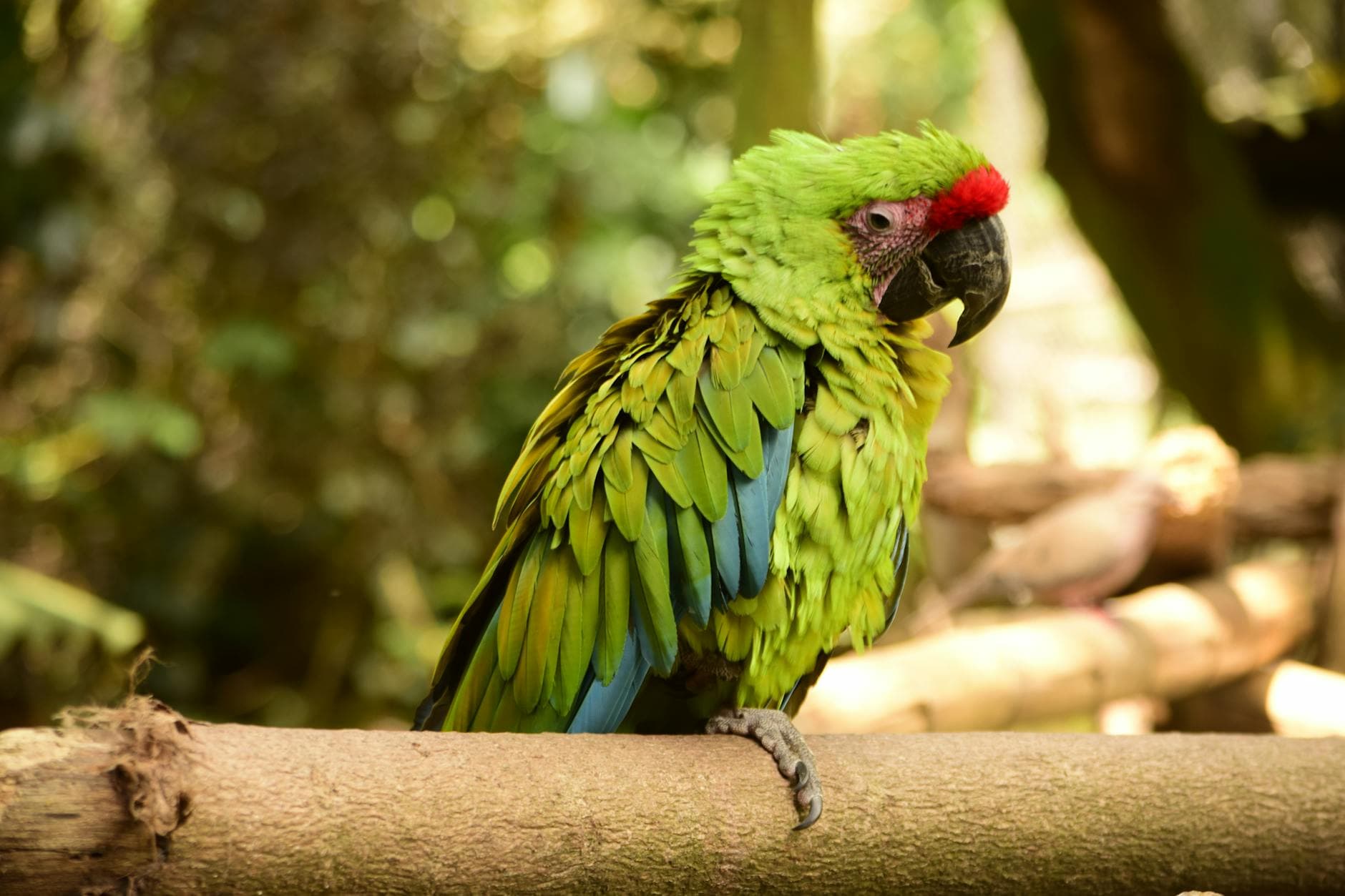
A Great Green Macaw’s nest can sit higher than a six-story building, and the new push is teaching teams how to reach it before the species loses more breeding sites.
The nest problem at the heart of Great Green Macaw recovery
A Great Green Macaw’s future can hinge on a cavity hidden more than 30 metres above the forest floor. That is the brutal reality behind the latest recovery work: if mature trees disappear, the birds lose not just shelter, but the chance to raise the next generation at all.
These parrots nest in large natural cavities in old trees, and decades of habitat change have made those sites harder to find across their range. That turns nesting into a survival bottleneck. Even when birds are protected from other pressures, recovery stays slow if they cannot safely breed.
Why the species is still so vulnerable
Great Green Macaws remain listed as Critically Endangered by BirdLife International and the IUCN Red List, with an estimated 500 to 1,000 mature individuals and a decreasing population trend. Their range spans Costa Rica, Panama, Honduras, Nicaragua, Colombia, and Ecuador, but the population is highly fragmented in each country.
Recent census work shows how fragile the picture remains. The Macaw Recovery Network counted 653 individuals in 2022 and 328 in 2023 across five countries, excluding Nicaragua. Costa Rica is still the stronghold, but the network notes that the two counts were affected by different survey effort, so the numbers do not prove a simple one-year crash. They do, however, underline how narrow the margin is.
In Panama’s Azuero Peninsula, the pressure is even sharper. Panama Wildlife Conservation says fewer than 50 Great Green Macaws remain there, while 90 to 95 percent of the forest cover has been lost. For a species that depends on mature forest structure, that kind of habitat loss can push a local population right to the edge.
The Mountain Almond is doing more than one job
The bird’s reliance on the Mountain Almond, also known as Almendro, gives the recovery story a very practical focus. The species depends heavily on Dipteryx panamensis for both food and nesting, and BirdLife says 87 percent of active nests in Costa Rica were found on that tree. Other conservation sources go even further, saying Almendro may supply around 90 percent of food and 80 percent of cavity nest sites.
That makes this a species-level lesson in habitat management. Protecting Great Green Macaws is not just about guarding forest in a general sense. It means identifying and preserving the specific large trees that provide food, nesting cavities, and the structure old forest birds need to reproduce.
Costa Rica’s history shows why that matters. Macaw Recovery Network says the country lost 54 percent of its forest cover between 1940 and 1990. That loss did not just shrink the map, it erased the kind of mature habitat Great Green Macaws need to breed successfully. The Sarapiquí Rainforest Reserve, established in 2023 and covering 208 hectares, is part of the response, a restoration site in the species’ breeding area aimed at rebuilding the forest conditions that the birds lost.
Training people to work where the birds actually nest
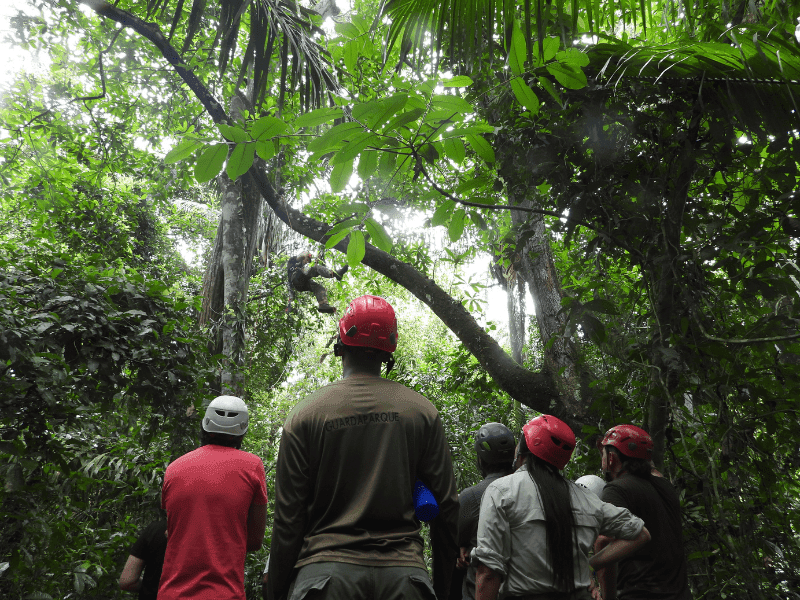
The newest push from the World Parrot Trust is built around skills, not slogans. In an April workshop in Panama, Neotropics Regional Director Jack Haines and Yellow-naped Amazon Coordinator Dr Noelia Volpe led hands-on training with logistical support from Panama Wildlife Conservation. The goal was simple but demanding: give conservation teams the tools to work safely at active nest sites.
That training matters because these nests are not easy to reach or monitor. With cavities often sitting more than 30 metres up, the people working on Great Green Macaw recovery need strong climbing systems, reliable rope techniques, and a clear rescue plan if anything goes wrong.
- climbing systems
- rope techniques
- rescue procedures
- specialist equipment use and maintenance
- nest-box installation
- nest monitoring
- chick health checks
- safe handling of chicks at active nests
The workshop covered:
This is the kind of field work that turns recovery from an idea into a repeatable practice. Nest boxes can help when natural cavities are scarce, but only if teams know how to install and monitor them without disturbing the birds. Chick health checks and safe handling are equally important, because the breeding stage is where small mistakes can have outsized consequences.
The workshop was held first in Panama City’s Parque Nacional Camino de Cruces and later in Cambutal. That mix of locations reflects the reality of the work itself: recovery is not confined to one reserve or one project site. It depends on teams being able to move across landscapes, locate nesting trees, and respond to conditions on the ground.
What this teaches anyone who keeps parrots in mind, whether in the wild or at home
Great Green Macaws are a sharp reminder that parrot survival is tied to more than one ingredient. Long lifespans, strong social needs, and sensitivity to environmental conditions are familiar to anyone in the parrot world, and those same traits show up at the species level in the wild. If the habitat is broken, the diet tree is gone, or the nesting cavity is missing, breeding can stall for years.
That is why this recovery model looks slow and hands-on. It is built on local expertise, field monitoring, habitat protection, and patience, not quick fixes. The most important milestones are not abstract policy wins, but very concrete ones: a tree left standing, a cavity protected, a chick checked safely, a nest box installed well, and a team trained to do it again.
For Great Green Macaws, the race is still being run high in the canopy. The birds are surviving there, but only if the forest keeps enough mature trees to hold their nests, and enough trained people to protect them when it counts.
This article was produced by Prism’s automated news system from verified source data, official records, and press releases, then run through automated quality and moderation checks before publishing. The system is built and supervised by the people who set the standards it runs under. Read our full AI policy.
Did this article answer your question?