Veterinarians Warn Seed-Heavy Parrot Diets Can Harm Long-Term Health
Seed bowls can look easy, but they quietly set parrots up for trouble. Vets are urging a pellet-first bowl, plus produce and foraging, to protect birds for the long haul.
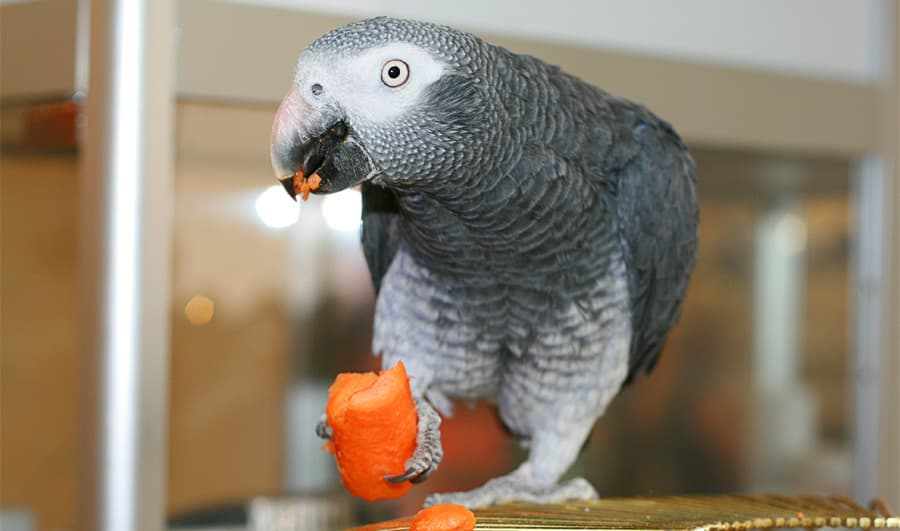
The seed bowl that keeps looking innocent is often the first nutrition mistake to fix
That chirping, biting, screaming, or sudden clinginess many parrot guardians know so well can have a boring answer hiding in plain sight: breakfast. A seed-heavy bowl may keep a bird eating, but it also keeps a macaw, Amazon, cockatoo, lovebird, cockatiel, or parakeet on a diet that is too fatty, too low in fiber, and too thin on calcium and vitamin A to support long-term health.
Dr. Judilee Marrow at the University of Illinois Veterinary Teaching Hospital puts the problem into practical terms: what looks like a normal pet-bird meal is often missing the balance parrots need. The fix is not a dramatic overnight overhaul. It is a steady shift toward a diet that works with a parrot’s biology instead of against it.
Why seed-heavy feeding causes so much trouble
In the wild, parrots do not live on a single food item. They eat a broad mix of plants and seeds, moving through a day built around searching, tearing, chewing, and sampling. In captivity, seed mixes and nut-heavy bowls collapse that variety into one rich but narrow option. The Association of Avian Veterinarians says companion parrots are often offered seed- and nut-based diets, but those diets are not nutritionally complete and balanced, and they are high in fat and calories.
That matters because the missing pieces are not small details. Low calcium, low fiber, and poor vitamin coverage can show up as poor feather quality, respiratory disease, reproductive disease, obesity, chronic malnutrition, and even atherosclerosis when high fat meets too little exercise. The Merck Veterinary Manual is blunt about the stakes: many pet-bird illnesses begin with malnutrition, including hepatic disease, renal insufficiency, respiratory impairment, musculoskeletal disease, and reproductive problems.
What should replace the seed bowl
A healthier bowl starts with pellets as the nutritional base. The University of Florida recommends that an ideal parrot diet be made up of 75 to 80 percent high-quality bird pellets and 15 to 20 percent fruits and vegetables, with seeds and nuts strictly limited or eliminated. That is a big shift from the old habit of treating seeds as the main dish, but it gives the bird a ration that is much closer to what modern avian medicine supports.
Fruits and vegetables are not decorative add-ons. They contribute fiber, minerals, and vitamins, and they also keep mealtime interesting enough to matter to an intelligent bird. The bird is not just eating calories. It is getting texture, novelty, and a little problem-solving in the process.
Why mixed bowls can still fail even when they look healthier
A lot of guardians do make the right sounding move: they put pellets, seeds, dried fruit, and vegetables in one dish and hope the bird self-regulates. The problem is that parrots are excellent food pickers. They sort through the bowl and go straight for the familiar pieces, which means the most nutritious items can be left behind day after day.
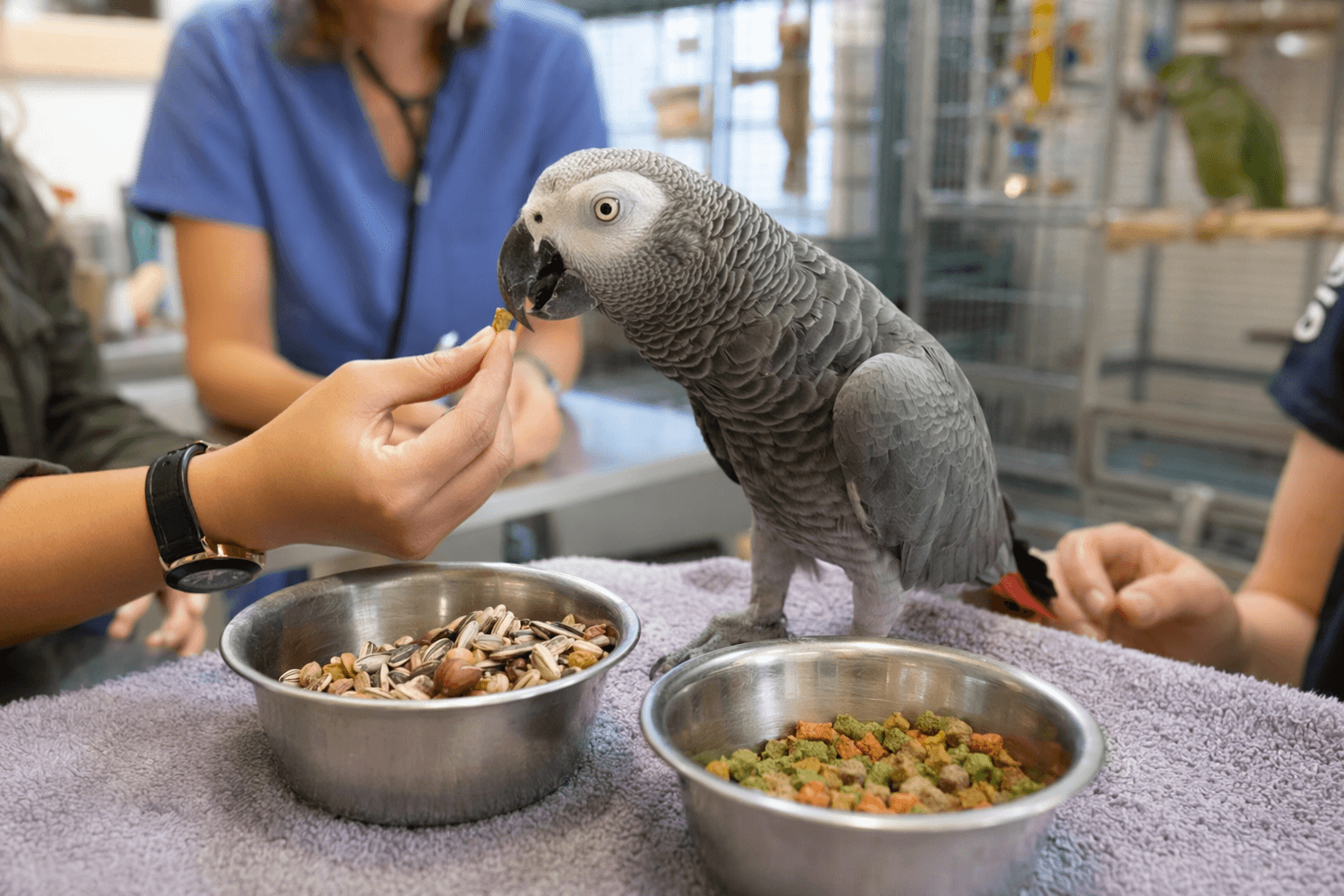
That behavior is not just a theory. A 2012 study of seven captive Amazon parrots found that when the birds were offered produce, pellets, and seed, the diets they actually consumed were deficient in calcium, sodium, and iron, and contained more fat than recommended. In other words, the bird’s preferences made the nutrient imbalance worse, not better.
What to change on your next shopping trip
The fastest improvement is to reframe the bowl around pellets and produce, then treat seeds as a small bonus rather than the core of the meal.
- Buy a high-quality pellet formulated for your bird’s species or size.
- Stock a fresh produce mix that you can rotate through the week.
- Keep seeds and nuts in reserve for training, rewards, and occasional enrichment.
- Skip the habit of “free-feeding” seed blends all day.
- Watch the bird’s intake, not just what gets offered, because a picked-over bowl can hide a bad diet.
The goal is not to remove everything the bird likes. It is to make the healthy parts the default and the tempting parts the exception.
How to transition without turning dinner into a standoff
The Association of Avian Veterinarians advises gradual transition, and that matters. Sudden changes can trigger stress, refusal, or a bird that simply holds out for the old favorites. A slow shift gives the bird time to accept the new texture and taste while you keep nutrition moving in the right direction.
A practical transition usually works best when it is small and steady:
1. Start by mixing a little pellet into the familiar food.
2. Increase the pellet share over time while reducing seed volume.
3. Offer fresh produce separately so the bird can explore it without competition from seeds.
4. Use the guidance of an avian veterinarian if the bird is stubborn, underweight, or already dealing with illness.
That measured approach is especially useful for birds that already have strong food preferences. A parrot that has learned to hold out for sunflower seeds can also learn, with patience, that pellets and produce are the new normal.
Foraging is part of the prescription too
One reason diet advice for parrots has changed so much is that food is not only fuel for them. It is behavior. Veterinary sources note that wild parrots may spend about 40 percent to 75 percent of their daylight hours foraging, which is a huge chunk of the day devoted to searching and working for meals.
That makes enrichment more than a nice extra. Hiding food, using puzzle feeders, and splitting meals into multiple small opportunities can better match how parrots are built to live. It also keeps the bird busy in a way that supports mental health, not just a full crop.
The takeaway for the food bowl this week
The old seed-heavy model stuck around partly because it was easy and partly because pet-bird nutrition used to be less clear. That is no longer the case. Current avian guidance points in the same direction: use pellets as the base, add meaningful portions of produce, keep seeds and nuts limited, and build in foraging so the bird’s day looks more like a parrot’s day.
The shift is simple to describe and powerful in practice. A bowl that once looked comforting can become a source of chronic disease risk; a bowl built around pellets, fruits, vegetables, and controlled treats can support brighter feathers, steadier energy, and a healthier life span.
This article was produced by Prism’s automated news system from verified source data, official records, and press releases, then run through automated quality and moderation checks before publishing. The system is built and supervised by the people who set the standards it runs under. Read our full AI policy.
Did this article answer your question?