Canberra café St Elmo serves handmade pasta alongside coffee and pastries
A suburban Canberra café is turning coffee runs into pasta outings. At St Elmo, handmade noodles sit comfortably beside pastries and daily routine.
A coffee stop that doubles as a pasta destination
St Elmo in Canberra is the kind of place that catches people off guard in the best way. Tucked into the Torrens Shops, it looks like a neighborhood coffee stop with house-baked treats, yet it also serves incredible handmade pasta, making it one of the clearest examples of pasta moving beyond formal Italian dining and into everyday café culture.
That mix matters because it changes where pasta belongs in local life. Instead of waiting for a special night out, diners can run into handmade noodles in a setting built for routine: a flat white, a pastry, a casual lunch, and then, unexpectedly, a pasta-driven dinner. St Elmo shows how a suburban café can become a destination without losing its friendly, practical feel.
Why the Torrens Shops location matters
The Torrens Shops setting gives the story its local edge. This is not a glossy city-center opening chasing attention with big-city polish. It is a community-minded suburban venue, the kind of place regulars can fold into their week without making a production of it.
That matters for pasta because it changes the way the dish is encountered. Handmade pasta is often framed as something reserved for Italian restaurants or special occasions, but St Elmo puts it in the middle of ordinary life. The result is a softer, more accessible version of pasta culture, one that feels at home beside morning coffee and a cabinet of pastries.
What makes the crossover unusual
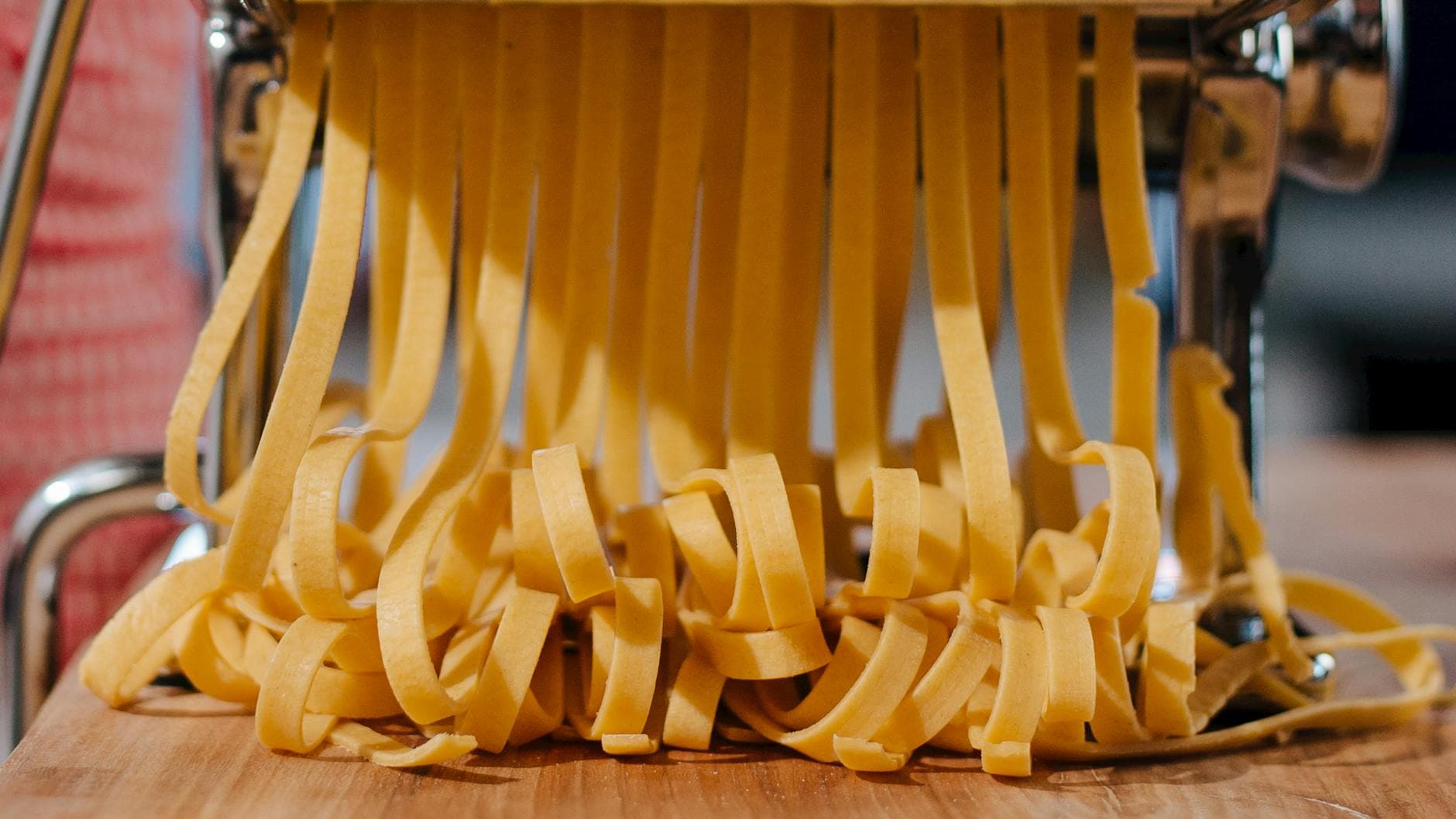
What makes St Elmo memorable is not just that it serves pasta. It is that the pasta is part of the café’s identity, not a side note. The story around the venue presents the handmade pasta as one of the things that makes the place special, alongside the coffee and house-baked treats.
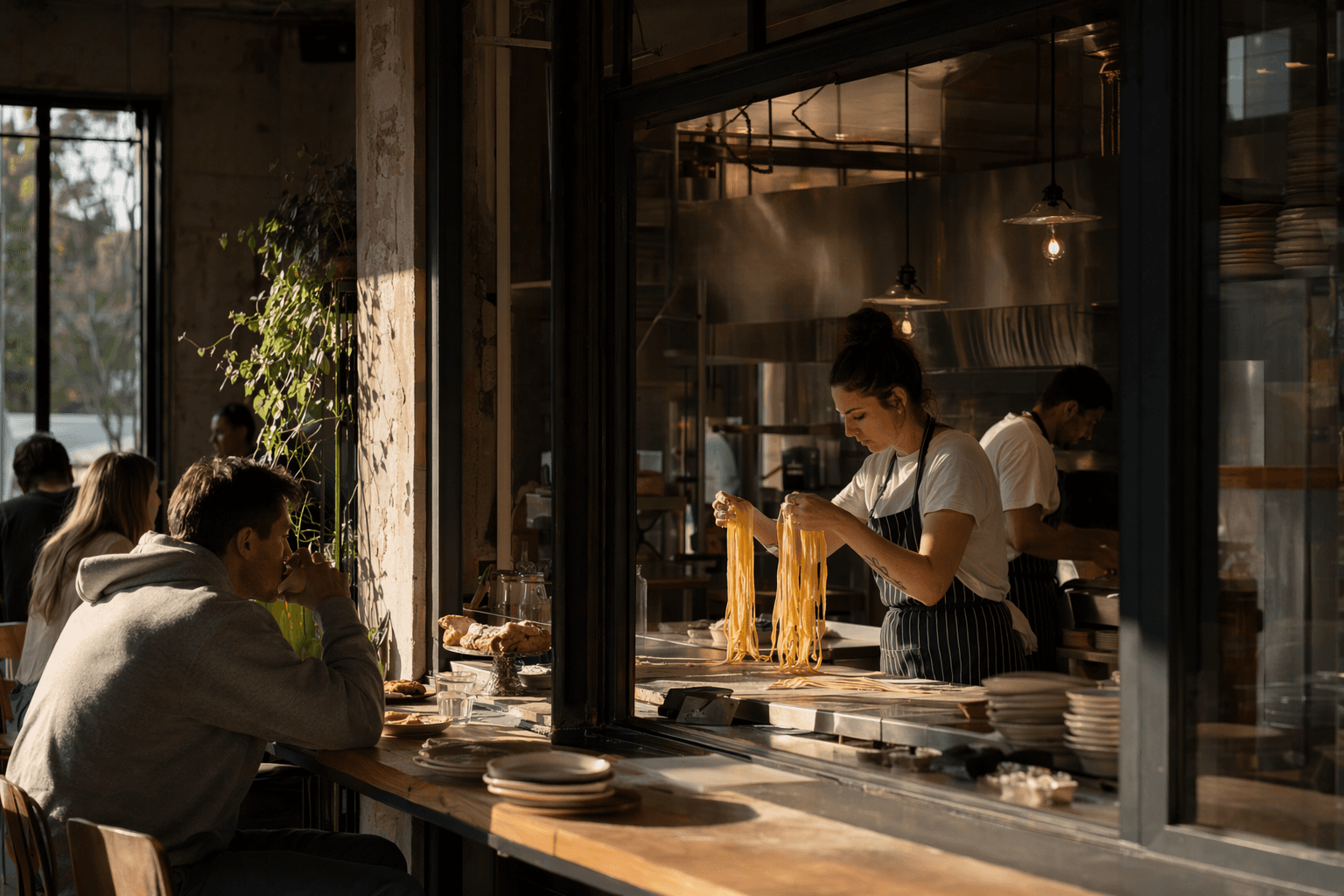
That is a meaningful shift for the pasta world. A café has to work across the day, and St Elmo appears to do that by moving naturally from daytime service into a more dinner-like role. In practice, that means pasta is no longer locked into formal service. It can be part of the same rhythm as a pastry case and an espresso machine, which is exactly why the venue stands out.
A sign of where pasta is heading in 2026
St Elmo reflects a broader appetite for casual, high-quality pasta in local routines. Diners do not always want a long, ceremonial Italian meal. Sometimes they want the comfort and craft of handmade noodles in a place that still feels relaxed, approachable, and easy to visit more than once a week.
That shift has implications beyond one Canberra address. It suggests that handmade pasta is becoming normalized in more versatile independent businesses, where a venue can serve morning coffee, lunch snacks, and pasta-led dinners under one roof. For the pasta community, that is a big development because it broadens the category’s reach without diluting its craft.
What diners are really getting here
St Elmo’s appeal comes from contrast. The café is described as understated, but the pasta is anything but ordinary. That contrast is part of the draw: a low-key suburban room with a serious culinary payoff.
The experience also tells a larger story about how people now find quality food. Not every memorable pasta meal has to happen in a formal Italian restaurant with white tablecloths and a fixed dinner mindset. At St Elmo, the same quality can appear in a setting that already fits into the daily rhythm of coffee and pastries, which makes the craft feel more immediate and more usable in everyday life.
Why this resonates with pasta regulars
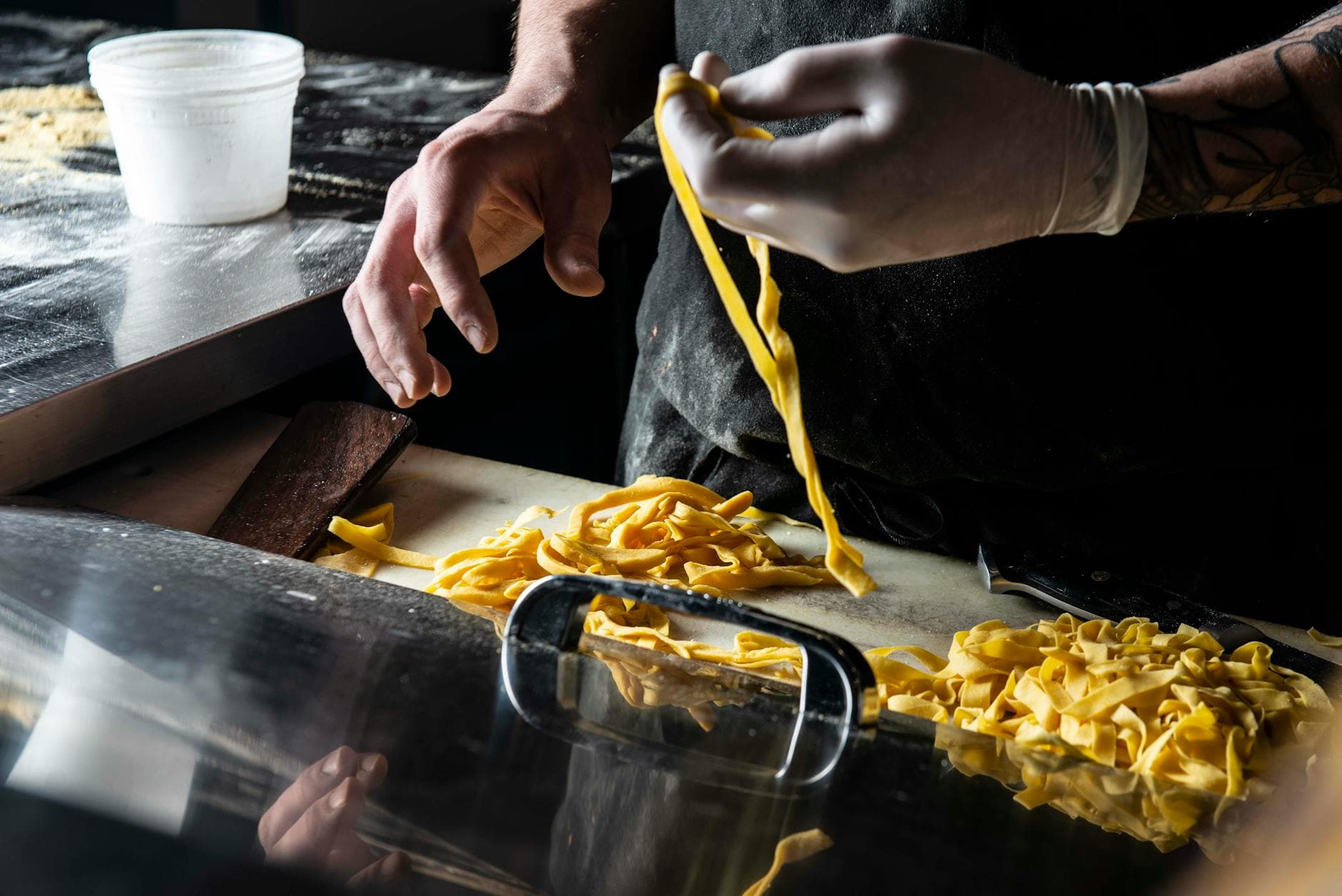
For readers who follow pasta as a craft, St Elmo is interesting because it shows handmade noodles being practiced in a broader community setting. The venue is not presented as a niche tasting room or a one-off concept. It is a café that happens to make pasta well, and that everyday framing is part of the point.
That approach also helps explain why the story lands as more than a novelty. It suggests versatility as a business strength and a cultural shift at the same time. A place that can move from coffee to pastries to pasta has a wider audience and a stronger place in the neighborhood, while also making handmade pasta feel less rare and more part of the food landscape.
What to remember about St Elmo
St Elmo’s real significance is that it blurs the line between an all-day café and a dinner destination without losing the warmth of either. In the Torrens Shops, it has become a reminder that pasta no longer needs to announce itself with formality to feel serious.
That is the larger takeaway for anyone watching the pasta scene. Handmade noodles are spreading into spaces built for daily routines, and St Elmo is a vivid example of that shift. In Canberra, a coffee stop now doubles as a place for pasta craft, and that is exactly the kind of quiet change that can reshape how people eat.
This article was produced by Prism’s automated news system from verified source data, official records, and press releases, then run through automated quality and moderation checks before publishing. The system is built and supervised by the people who set the standards it runs under. Read our full AI policy.
Did this article answer your question?