Mario Carbone demos fusilli Genovese, ties pasta craft to Carbone Beach
Mario Carbone turns fusilli Genovese into a lesson in sauce-catching craft, while Carbone Beach shows how pasta still sells luxury spectacle.
Mario Carbone’s fusilli Genovese moment
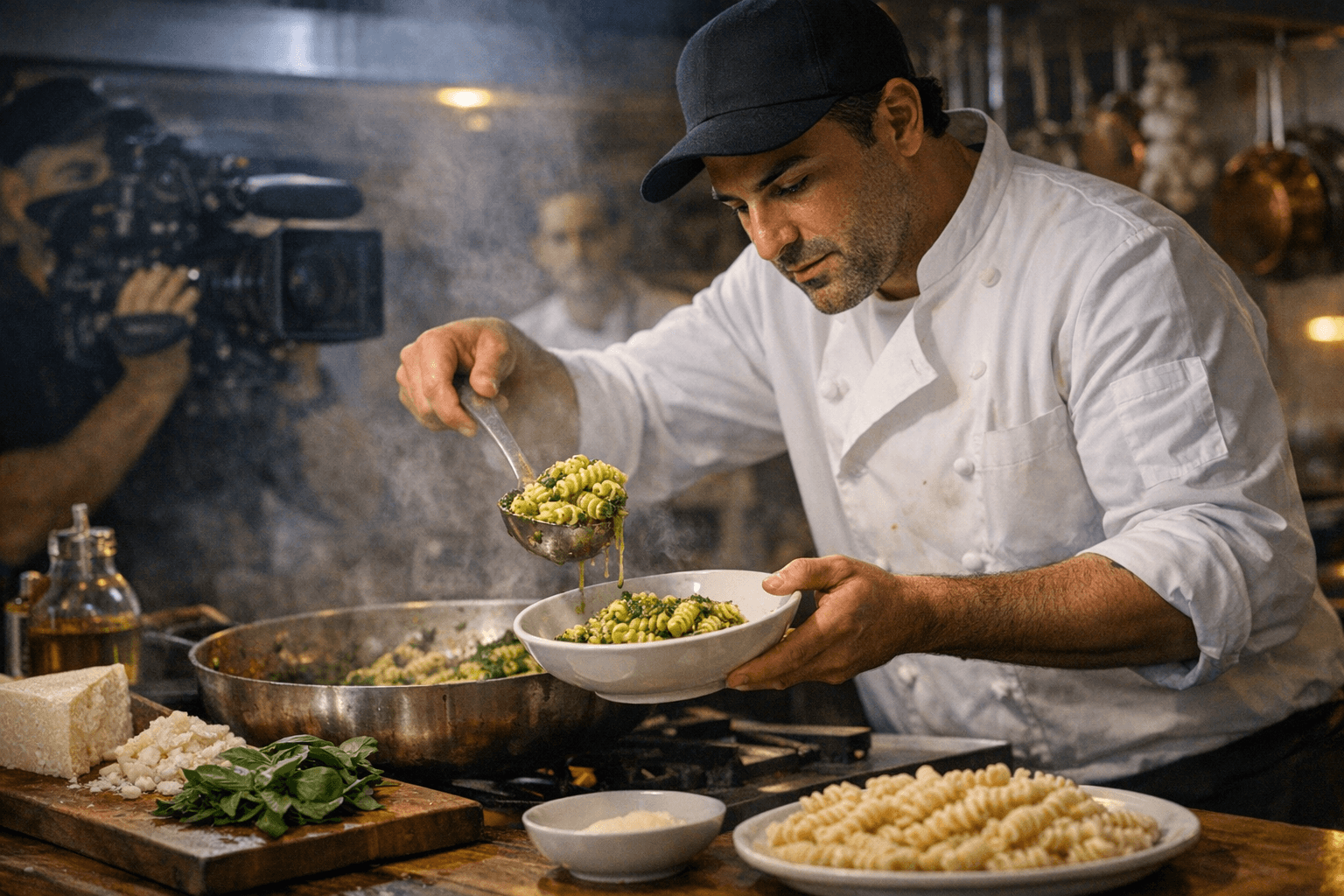
Mario Carbone puts a specific pasta shape front and center, and that is exactly why the clip lands. The Major Food Group co-founder is not just showing a dish. He is using fusilli Genovese to show how technique, texture, and celebrity chef cachet can all work at once, especially when the bigger stage is Carbone Beach at the Miami Grand Prix.
That combination gives the story its pull. Fusilli Genovese is the kind of shape that rewards attention because it is built to hold sauce, not just carry it. When a chef with Carbone’s name demonstrates a fresh pasta method, the lesson is larger than the recipe itself: this is premium food content built around skill, not shortcuts.
Why fusilli Genovese matters
Fusilli Genovese is not a throwaway noodle choice. Its twisting shape is part of the appeal, because it creates ridges, turns, and pockets that catch sauce and keep each bite active. For home cooks, that means the shape is doing real work, not just filling the plate.
That is also why the demo has value beyond the moment. A recognizable chef demonstrating fresh pasta reinforces something serious pasta people already know: shape still matters, and the best shape is often the one that amplifies the sauce rather than disappearing under it. If you want your pasta to feel intentional, this is the kind of format that reminds you how much the final result depends on the cut.
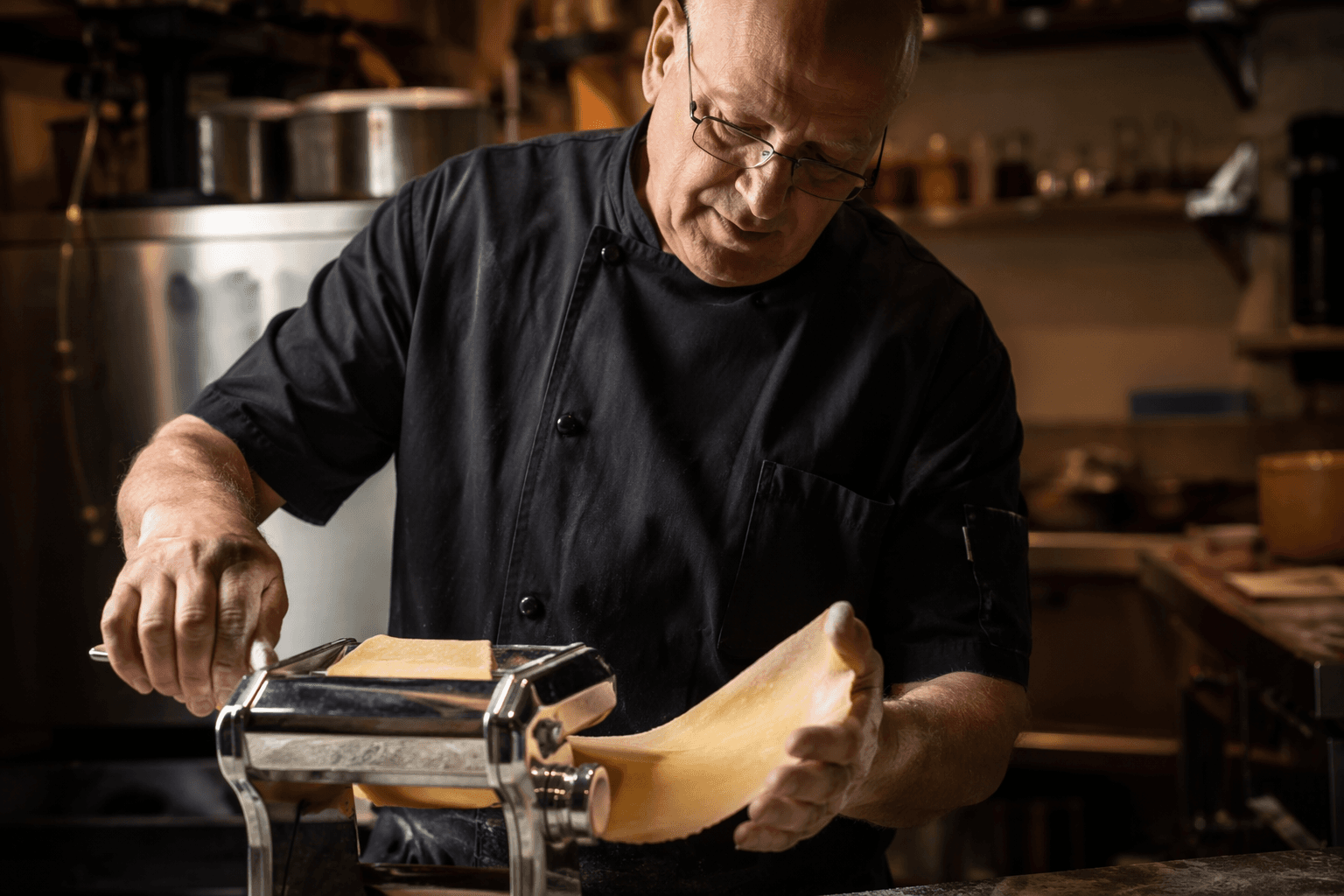
The other important detail is that Carbone chose to show a fresh pasta method at all. That signals that technique remains part of the brand’s identity, not a side note. In a food world full of fast visuals, the act of making pasta by hand still reads as craft, and craft still carries weight.
What home cooks can steal from the demo
The easiest lesson to borrow from this is to match the shape to the job. Fusilli Genovese works because it is designed to cling, twist, and collect, which makes it a smart choice when you want sauce to stay present in every bite. If your sauce is rich, textured, or built to coat, choose a shape that can hold onto it instead of sliding past it.
A second takeaway is that freshness still sells. A fresh pasta method looks impressive because it is tactile and visible, but it also produces a different kind of eating experience, one that feels more immediate and hands-on. If you are cooking for people who care about pasta, that visual proof of effort matters almost as much as the plate itself.
You can also read the demo as a reminder to keep your pasta craft clean and focused. You do not need theatrical extras to make a dish feel elevated. What you need is a shape with purpose, a sauce that fits it, and enough technique to make the final plate look deliberate.
A few practical ideas emerge from that approach:
- Choose a shape with real structure when you want sauce to cling instead of pooling.
- Let the pasta itself be the feature, especially when you are using a fresh method.
- Keep the dish visually clear so the twists and texture of the noodle stay part of the appeal.
- Treat the cooking process as part of the presentation, because with fresh pasta, the method is the message.
Why Carbone Beach raises the stakes
The Miami Grand Prix connection is what lifts the clip from a simple cooking demo to a broader lifestyle story. Carbone Beach is not just a dinner pop-up or a casual event. It sits in the luxury hospitality lane, where food, entertainment, and branding overlap in a way that turns a plate of pasta into part of a much bigger spectacle.
That setting matters because it explains why this kind of content travels so well. A chef demonstration tied to a high-profile event gives viewers two reasons to care: the pasta technique itself and the status attached to the setting. Carbone Beach adds the glossy edge, while fusilli Genovese gives the story a concrete food angle that feels teachable and aspirational at the same time.
For pasta watchers, that is the real value here. The story shows how fresh pasta still works as premium media when it is attached to a name people know and an event people recognize. Carbone’s visibility gives the technique reach; the Miami Grand Prix backdrop gives it buzz.
What this says about the current pasta moment
This is a reminder that pasta content does not have to be loud to be effective. It has to be specific. A famous chef, a distinctive shape, and a high-status event are enough to make the story feel relevant to both food obsessives and casual viewers who like the idea of bringing a little restaurant-level polish into their own kitchens.
The best part of the Carbone demo is that it does not sell pasta as a trend piece. It presents pasta as a craft with staying power. Fusilli Genovese becomes a small but smart example of how a strong shape, a capable chef, and a glamorous setting can make a familiar dish feel newly worth watching.
For anyone building better pasta at home, that is the lesson to keep: choose shapes with a job to do, respect the technique behind them, and remember that a well-made plate can still carry a little spectacle when the timing and the setting are right.
This article was produced by Prism’s automated news system from verified source data, official records, and press releases, then run through automated quality and moderation checks before publishing. The system is built and supervised by the people who set the standards it runs under. Read our full AI policy.
Did this article answer your question?