Milan study finds pasta sparks stronger joy and nostalgia than sports
A Milan lab found pasta outpaced sports in memory and engagement, while matching music on positive emotion. The biggest signal was nostalgia.
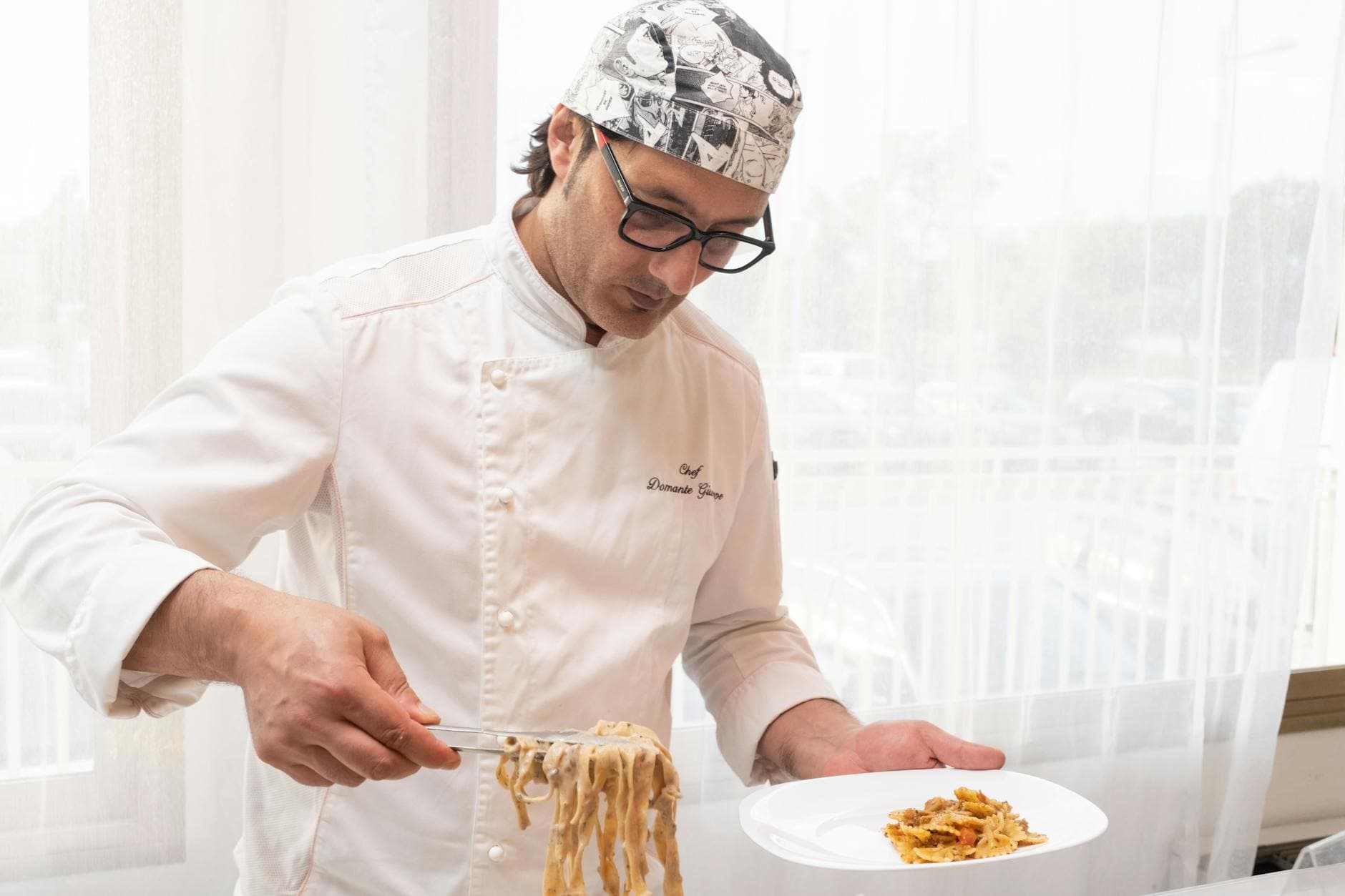
A Milan university study found that pasta did more than light up appetite centers. In a test of 40 adults, ages 25 to 55, pasta produced the strongest memory response among the stimuli tested, was the most engaging, and triggered positive emotions comparable to music and stronger than sport.
The work came from IULM University’s Behavior & Brain Lab in Milan, led by Prof. Vincenzo Russo, as part of a project titled “Pasta Experience - Neuromarketing Analysis.” The sample included 20 women and 20 men, all without food allergies or intolerances. Participants were shown, tasted and ate pasta while researchers tracked EEG, heart-rate and BVP activity, skin conductance, and facial expressions through FaceReader, then paired those readings with questionnaires.
That matters because the study was not just asking people whether they liked pasta. IULM says its lab studies cognition, memory and emotions through neurophysiological signals and survey methods, which makes this less a warm-food slogan than a measured response test. The headline version, “pasta makes you happier,” flattens the findings. What the lab actually registered was a stronger cognitive memory response, more engagement, and positive emotion levels that rose to music territory and stayed above sport.
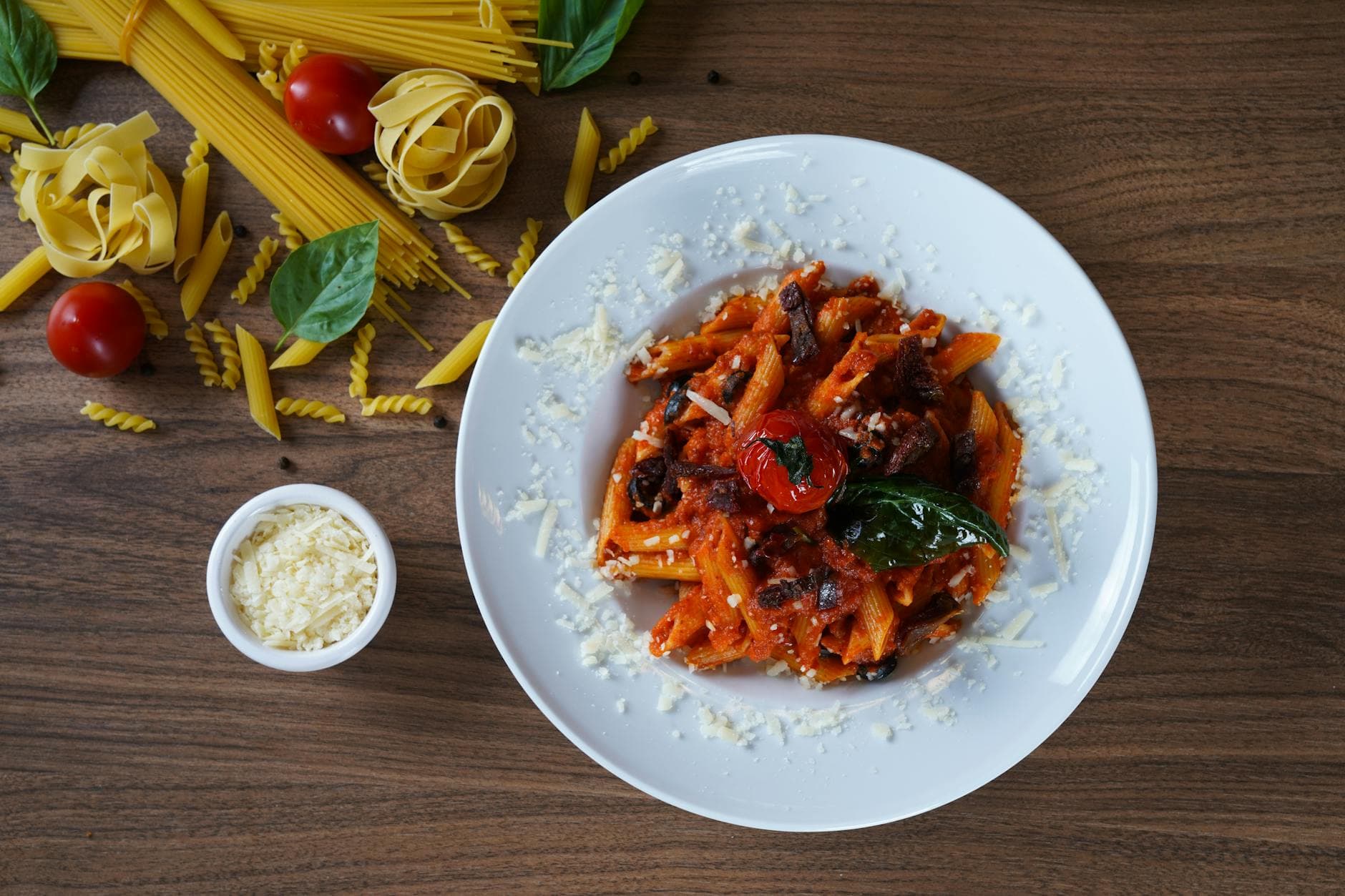
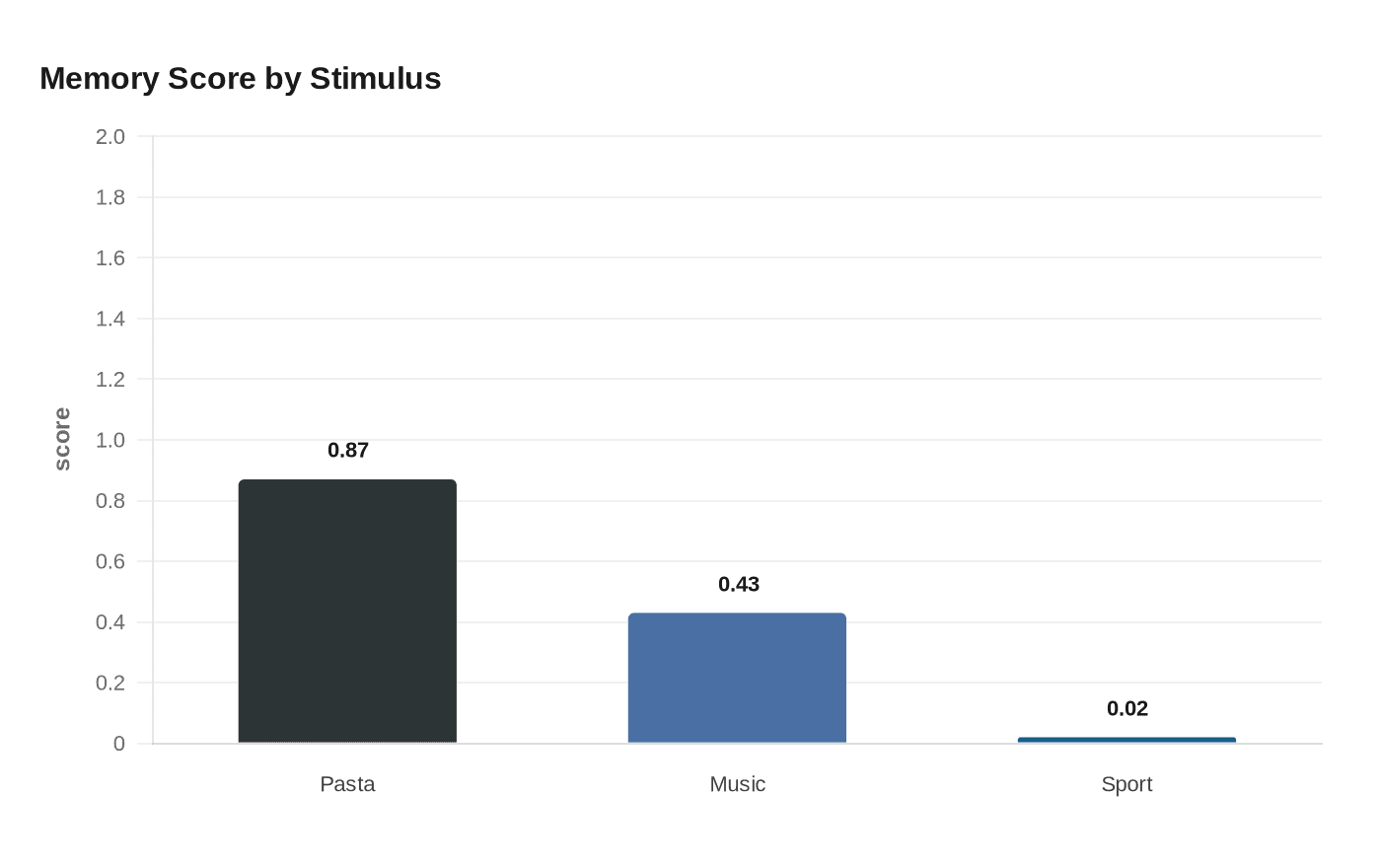
The numbers underline that point. In a summary later highlighted by the International Pasta Organisation on March 18, 2024, pasta’s memory score was listed at 0.87, compared with 0.43 for music and 0.02 for sport. The same summary framed the result as evidence for a previously unmeasured emotional and neurophysiological basis for the wellbeing people feel when eating pasta.
The idea also fit earlier academic framing. An IULM abstract presented on September 8, 2023 described pasta as a “food of memory” and said the work supported the long-standing sense that pasta sits inside personal recollection, not just on the plate. Participants linked it with happiness, family, friends and comfort-food memories, which helps explain why pasta can register as more than a meal.
The study does not prove a universal mood boost from every bowl. It does show that, in this Milan setup, pasta pulled harder on memory and emotion than sports did, and landed close to music in the kind of joy people actually feel. That is a sturdier claim, and a more revealing one, than any shorthand about pasta simply making everyone happier.
This article was produced by Prism’s automated news system from verified source data, official records, and press releases, then run through automated quality and moderation checks before publishing. The system is built and supervised by the people who set the standards it runs under. Read our full AI policy.
Did this article answer your question?