Pastaria Vivi’s pasta shop doubles expectations with subscription model
Pastaria Vivi is drawing pasta fans with a restaurant, market, and monthly box in one Encinitas address, and it is already running at more than double projections.

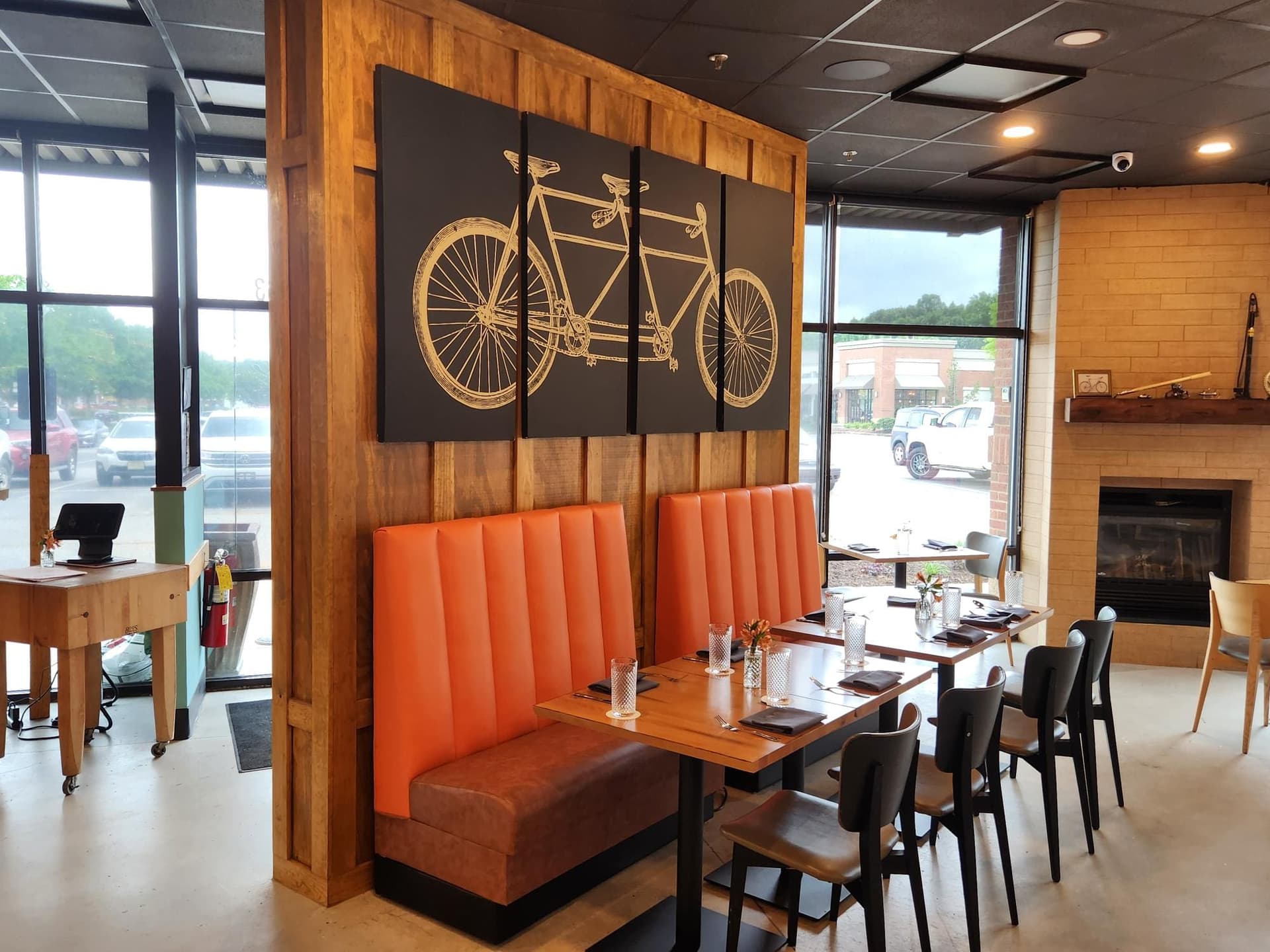
Pastaria Vivi makes its case as soon as you walk in: a pasta counter, retail market, dining room, and monthly box subscription all operate under one Encinitas roof. At 119 North El Camino Real, the shop is more than a place for dinner, giving pasta buyers a spot to eat, shop, and take home the components for another meal later in the week.
The Encinitas model
The business opened in the Encinitas Village Shopping Center on April 11, 2026. The concept is built to work as a full stop, not a quick pickup window. Pastaria Vivi is a fresh handmade pasta and Italian specialty market, and that phrasing fits the physical setup: diners sit down for service, then move past retail cases stocked with pasta, meats, cheeses, and other staples on the way out.
The weekly menu reinforces that idea of motion rather than repetition. The lineup changes each week, with fresh handmade pasta, sauces, seasonal selections, specials, and new menu items rotating through the space. That keeps the restaurant side from feeling static and gives the retail side a reason to keep drawing regulars back for something different each visit.
What lands on the plate and in the case
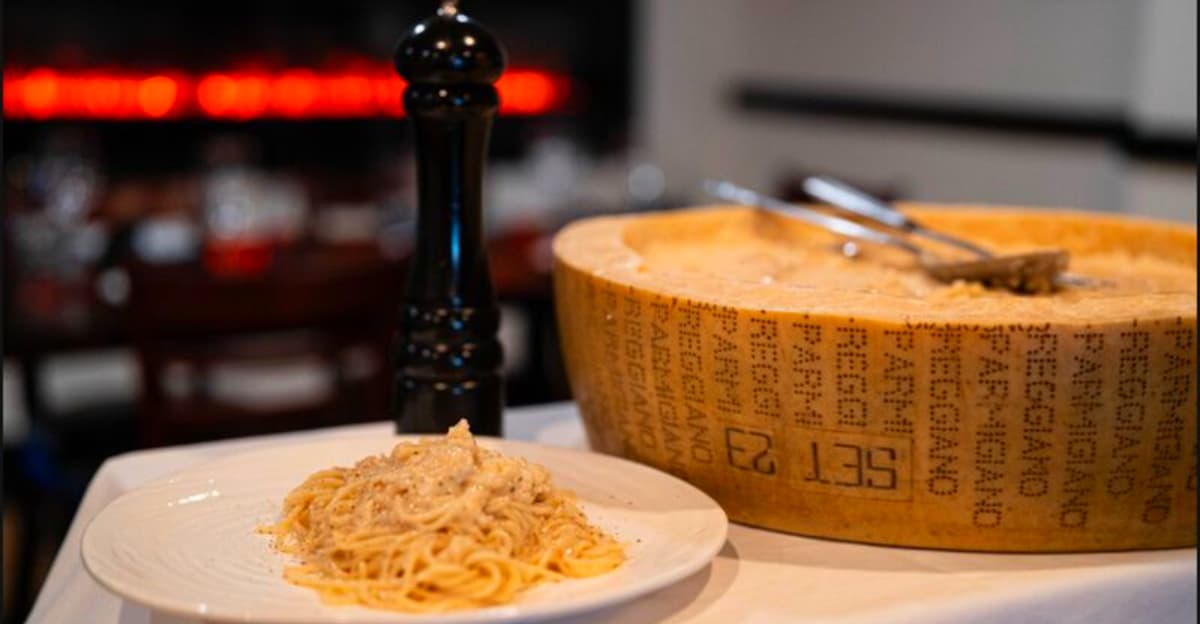
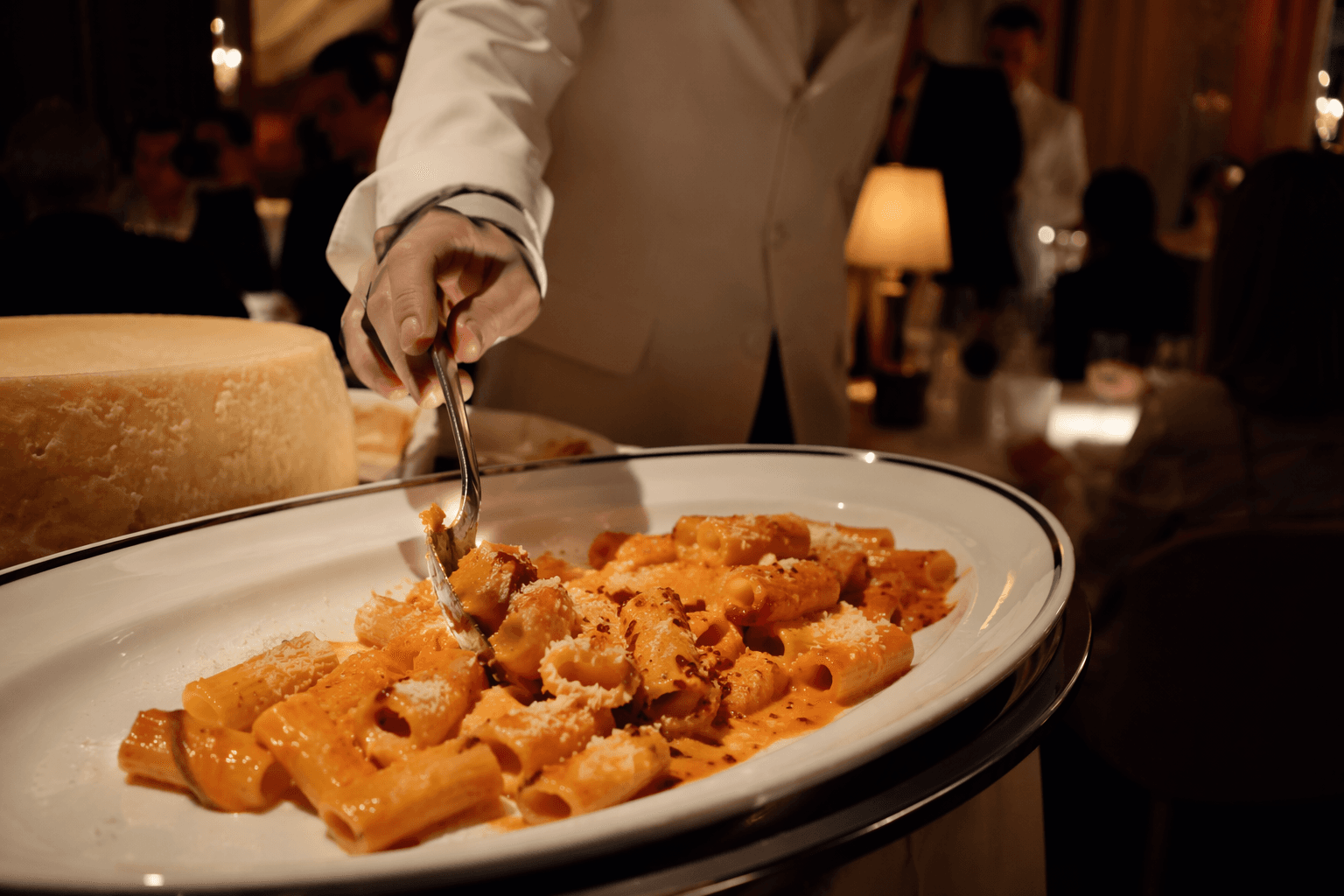
The dining room is anchored by the kind of dishes that make a pasta shop feel serious without becoming precious. The menu includes house-made focaccia, burrata, pappardelle with rich bolognese, meatballs, ravioli, and lasagna, a mix that reads like a confident neighborhood menu rather than a one-note pasta counter. It is the sort of spread that lets a table go from bread and cheese to a fuller meal without leaving the pasta lane.
The take-home side is where Pastaria Vivi stretches beyond the usual trattoria format. The refrigerated cases offer more than 75 pasta-and-sauce combinations, and the shop also offers fresh shapes including tagliatelle, pappardelle, ravioli, tortellini, and farfalle. The market carries burrata, focaccia, imported olive oils, meats, cheeses, and ready-to-cook meals, with vegan extruded options also part of the mix for diners who want something plant-forward.
The place runs closer to an Italian market with a pasta room than a conventional restaurant. You can sit down for a plate of pappardelle, pick up a tray of ravioli for later, and leave with olive oil, cheese, or a fresh sauce to finish the meal at home. One trip can cover dinner tonight, dinner tomorrow, and the pantry in between.
The people behind the operation
The kitchen pedigree behind Pastaria Vivi helps explain why the concept lands as chef-driven rather than generic. Brandon Jennings and William Treff first met while working at No. 9 Park in Boston under the Barbara Lynch Group, and their careers also run through Lazy Bear in San Francisco and Mille Fleurs in Rancho Santa Fe. Jennings is company head of operations and Treff is head of food and beverage, while Harrison Axelrod rounds out the founding chef team after previously succeeding Jennings at Mille Fleurs.
The menu has the structure of a refined kitchen, but the format is intentionally everyday: handmade pasta, rotating sauces, and an Italian market that makes it easy to leave with food in hand. The result is a hybrid that carries restaurant credibility while staying useful for a weeknight.
A subscription box built for repeat visits
Pastaria Vivi extends the model with a subscription. The Vivi Monthly Pasta Box is built around seasonal handmade fresh pastas, housemade sauces, and artisan ingredients. Instead of treating pasta as something tied only to a meal out, the subscription turns it into a recurring pantry ritual, with a box that extends the brand beyond the dining room.
The subscription is not separate from the shop’s identity. It reflects the same logic as the weekly menu and the take-home cases: give customers a way to bring the kitchen home. For a pasta business, that means the relationship does not end when the check is paid. It continues in the fridge, the pantry, and the next dinner.
Hospitality as part of the business model
Pastaria Vivi also treats labor and service as part of the customer experience. The restaurant encourages guests to leave a positive review instead of tipping and says employees receive a livable wage and benefits. In a category where tipping is usually baked into the bill, that approach marks the business as different before a plate even lands on the table.
Jennings said the operation has exceeded his original projections by more than double.
This article was produced by Prism’s automated news system from verified source data, official records, and press releases, then run through automated quality and moderation checks before publishing. The system is built and supervised by the people who set the standards it runs under. Read our full AI policy.
Know something we missed? Have a correction or additional information?
Submit a Tip