Trattoria Bugatti brings handmade pasta and a modern Dallas spin
Trattoria Bugatti keeps the Bugatti name but trades white-tablecloth gravity for a neighborhood trattoria built around handmade pasta, lunch, and a looser room.
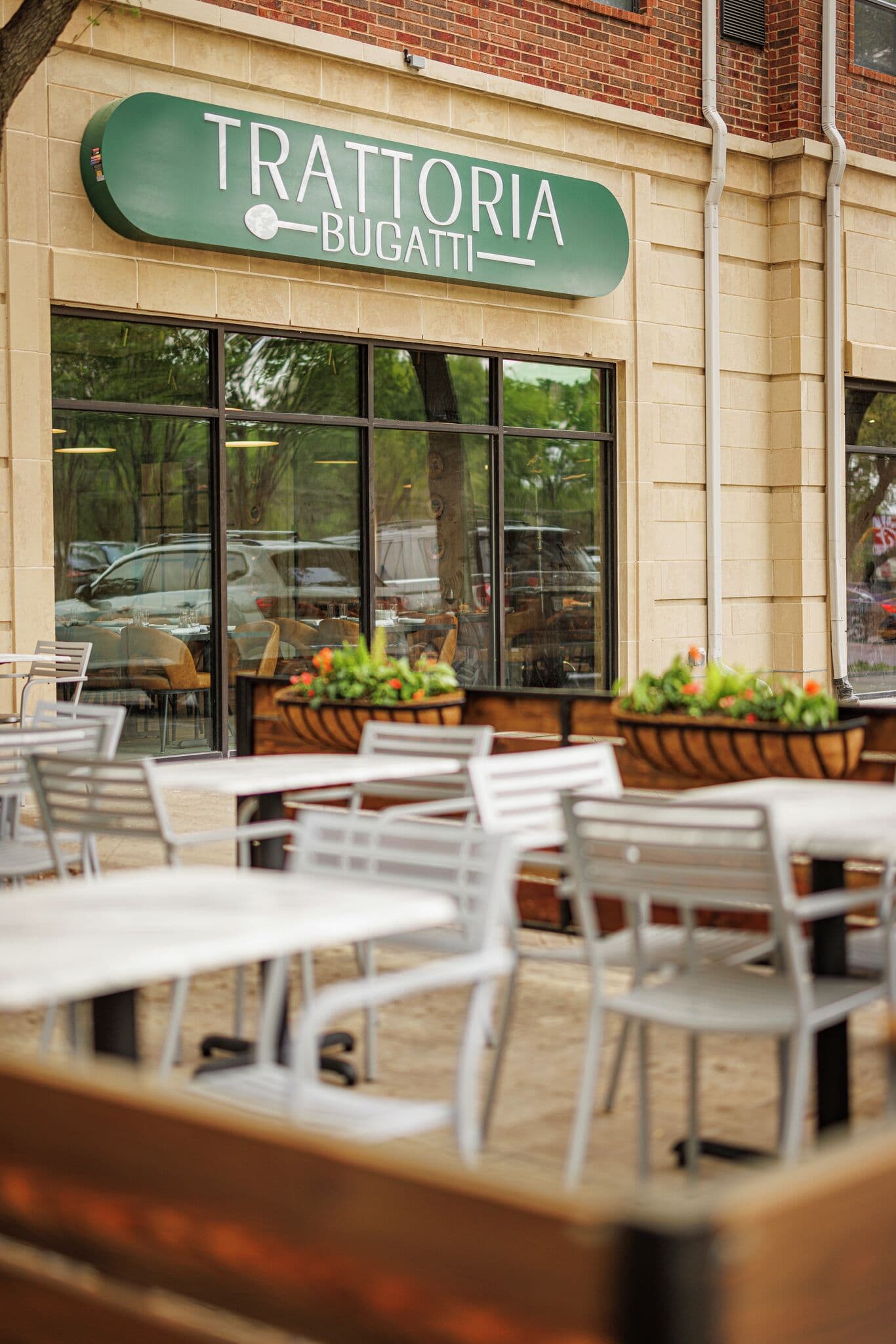
Trattoria Bugatti is not trying to erase Dallas’ Bugatti memory so much as retune it for a different night out. In the new room at the Shops at Bluffview, the old name comes wrapped in green walls, dark wood, tan leather seats, and a pace that feels polished without feeling stiff. That shift is the point: the restaurant keeps the family hospitality that made Bugatti a Dallas fixture, but it frames pasta, pizza, and aperitivo culture as something more casual, more local, and easier to return to often.
A legacy name, stripped of the formality
Bugatti Ristorante has been part of Dallas dining since 1980, and the family’s own history places the original location on Bachman Lake in the 1980s. Local coverage also traces the old Bugatti address to Northwest Highway near Love Field and Bluffview before the move to Farmers Branch in late 2024. That arc matters because Trattoria Bugatti is not a completely new brand so much as a deliberate reworking of a name that already carried decades of recognition.
The difference shows up in the dining room before it shows up on the menu. The original Bugatti identity was built on classic dishes and attentive, old-school service, the kind of restaurant where white-tablecloth expectations came with the territory. Trattoria Bugatti keeps the service standard but drops the formal staging, aiming instead for a neighborhood restaurant that still feels cared for. It is the same family tree, but the branch is bending toward a more relaxed Dallas rhythm.
What changed inside the room
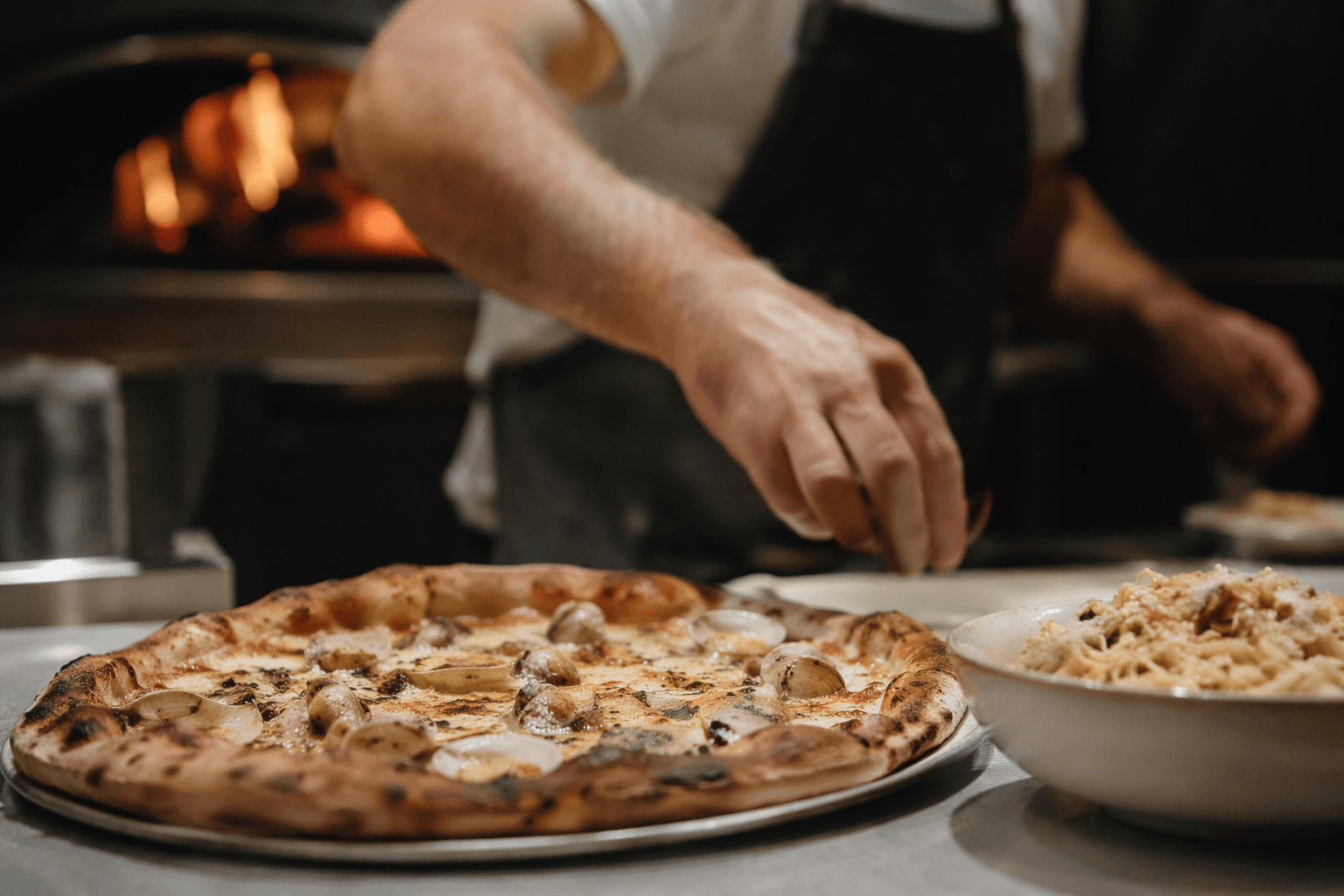
The new address, 3850 W. Northwest Hwy., Suite 1190, places Trattoria Bugatti in Midway Hollow near Bluffview, close enough to the family’s former Northwest Highway footprint to make the reset feel geographically intentional. It opened on April 20, 2026, and the setting is built to encourage lingering rather than rushing through a meal. Staff carrying bowls of handmade pasta and wood-fired pizzas from the kitchen reinforce that sense of movement and craft without creating theater out of it.
Ashley Odeh has described the concept as more modern, more neighborhood-oriented, and more casual, while still preserving Bugatti’s hospitality. That is a meaningful distinction in Dallas, where many legacy restaurants either double down on prestige or chase trendiness too hard. Trattoria Bugatti appears to be aiming for the middle ground: familiar enough to reassure longtime diners, contemporary enough to feel like a place you can drop into on a weeknight. The room’s finishes, from the dark wood to the tan leather, do that work visually before the first plate lands.
Handmade pasta as the new center of gravity
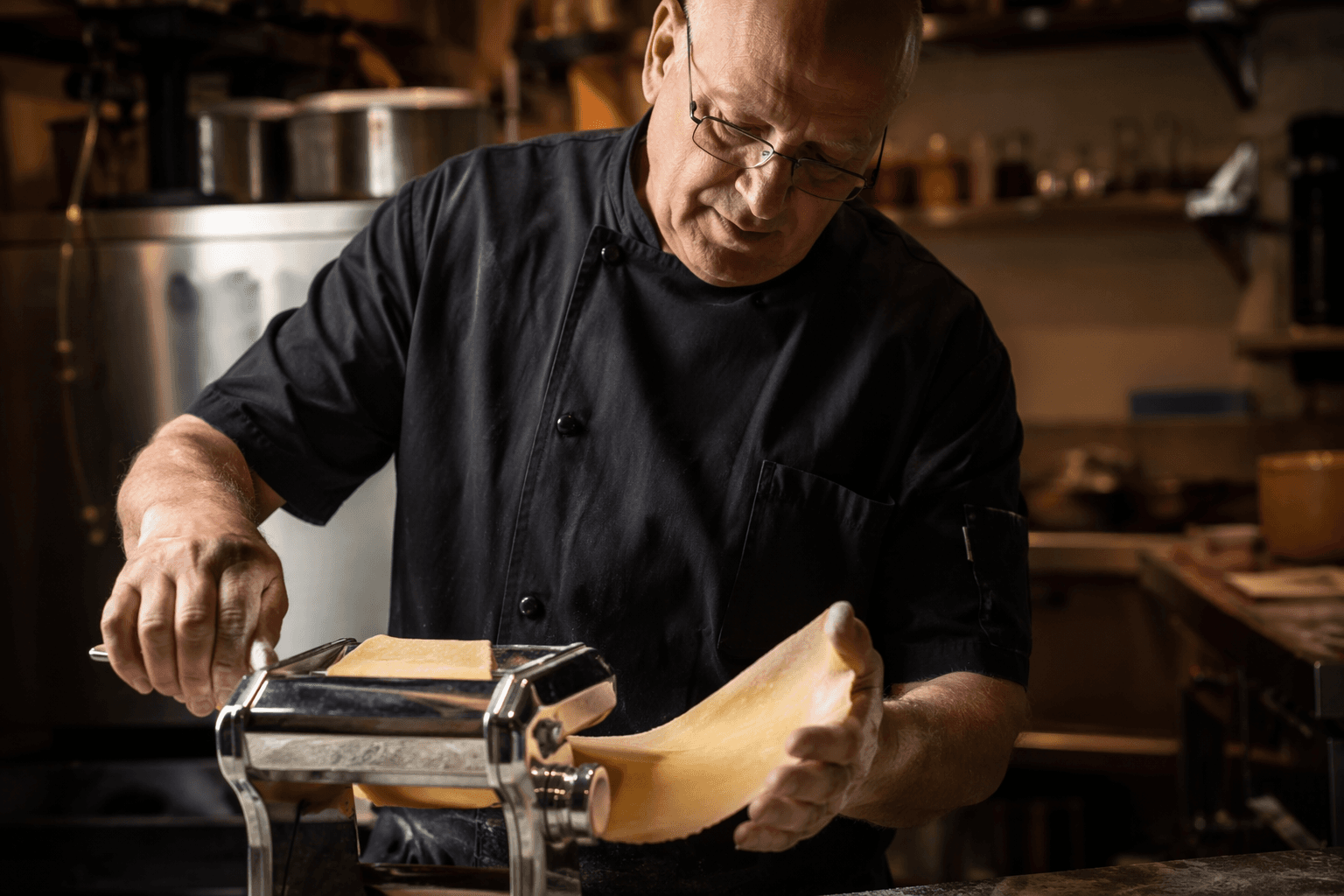
The clearest sign of reinvention is the pasta program. Handmade pasta is not a side note here, it is central to the restaurant’s identity, and the menu is built to give it room to breathe alongside lunch, dinner, dessert, and an apertivo menu. A May 2026 dining feature highlighted an authentic Roman fettuccine Alfredo, which tells you a lot about the intended balance: recognizable, deeply Italian, and specific enough to distinguish the kitchen from a generic red-sauce trattoria.
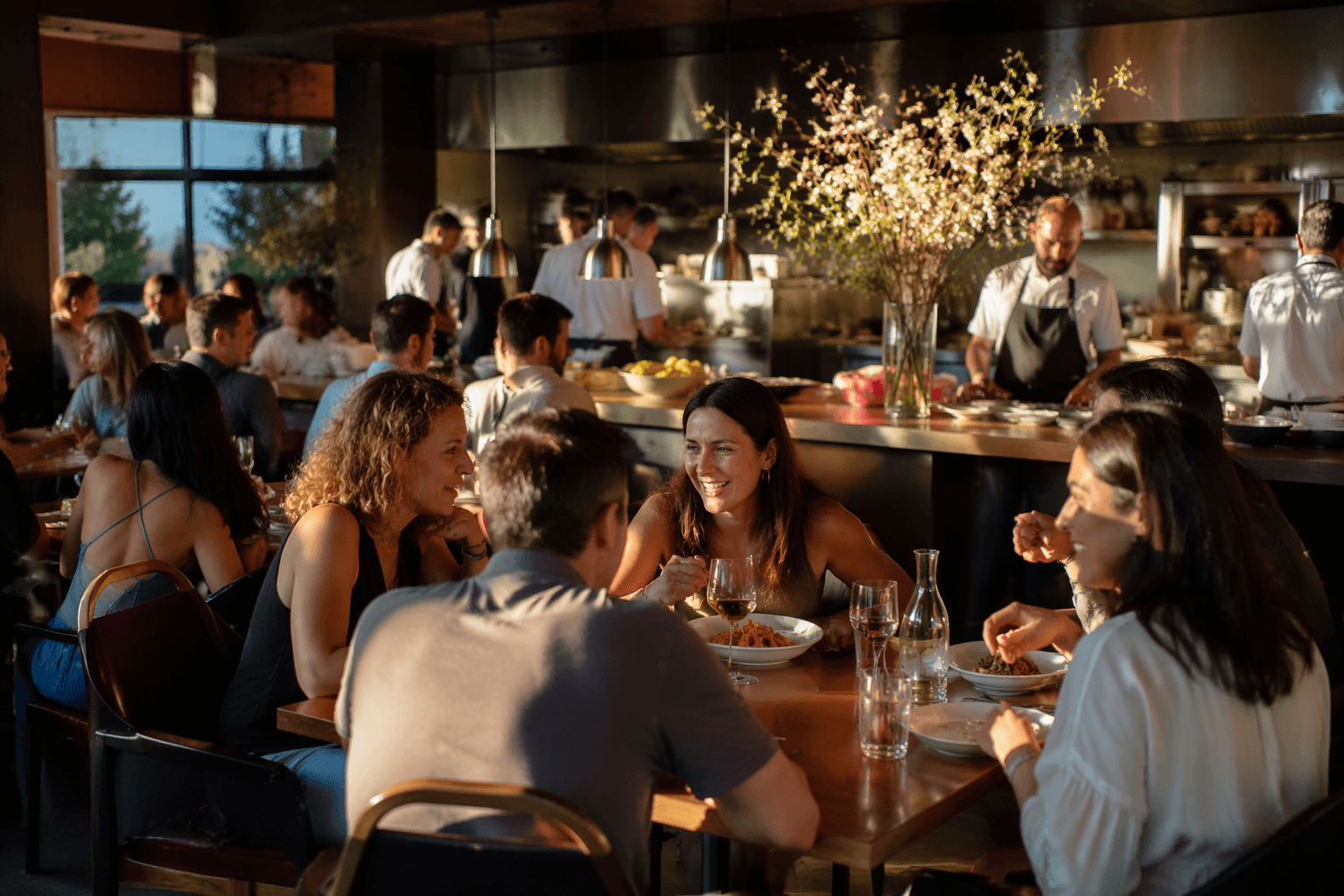
That specificity matters because it gives the new Bugatti concept a distinct culinary argument. The old restaurant was known for the steadiness of its classics; the new one is presenting itself as a place where pasta is both the comfort and the statement. Add wood-fired pizza and a lively but unhurried atmosphere, and the restaurant becomes less about formal occasion dining and more about repeatable neighborhood dining with a craft-focused core.
The people shaping the reset
The partnership behind Trattoria Bugatti brings together the Bugatti family and Odeh Restaurant Group, which helps explain why the restaurant feels both rooted and newly packaged. Michael Bugatti remains part of the family legacy, while Ashley Odeh has been central in describing the new direction. Bassam Odeh and Zee Aziz are also tied into the broader family and restaurant circle around the concept, underscoring that this is a true team effort rather than a nostalgia exercise built on a logo alone.
Executive chef Erin Willis gives the kitchen another layer of credibility. She is a James Beard Award nominee and the former chef-owner of RM 12:20 Bistro, and the restaurant’s own site says she learned recipes in Italy. That combination matters because it shifts the menu from brand memory to actual kitchen authorship. The result is not just Bugatti name recognition, but a pasta program led by someone with enough range to make the old name feel newly useful.
Why the reset works for Dallas dining
Trattoria Bugatti’s strategy is clear when you look at the practical details a diner feels first: the restaurant opens with a lighter, more flexible mood; it serves lunch, dinner, dessert, and aperitivo; and it leans hard into handmade pasta instead of the formal trappings that once defined the Bugatti experience. That is a different promise from the one longtime patrons may remember, and it is also a smarter fit for the neighborhood restaurant model Dallas diners keep returning to.
The restaurant also functions as a teaching kitchen, helping younger staff learn Italian techniques while maintaining standards. That is a quieter but important part of the reset, because it suggests the concept is designed to sustain itself, not just trade on inherited goodwill. If Bugatti Ristorante was the version of the name that built trust over decades, Trattoria Bugatti is the version trying to keep that trust alive by making the room easier to live in and the pasta easier to come back for.
That is what makes the change feel less like nostalgia repackaged and more like a real strategic turn. The Bugatti name still carries history from Bachman Lake to Northwest Highway to Farmers Branch, but at 3850 W. Northwest Hwy. it now lives in a room built for handmade pasta, easier company, and a Dallas dinner that does not need a white tablecloth to feel like a destination.
This article was produced by Prism’s automated news system from verified source data, official records, and press releases, then run through automated quality and moderation checks before publishing. The system is built and supervised by the people who set the standards it runs under. Read our full AI policy.
Did this article answer your question?