US Slashes Proposed Tariffs on Italian Pasta Imports After Review
Triple-digit duties on Italian pasta fell to low single digits, easing pressure on importers and keeping Barilla, La Molisana and Garofalo within reach.
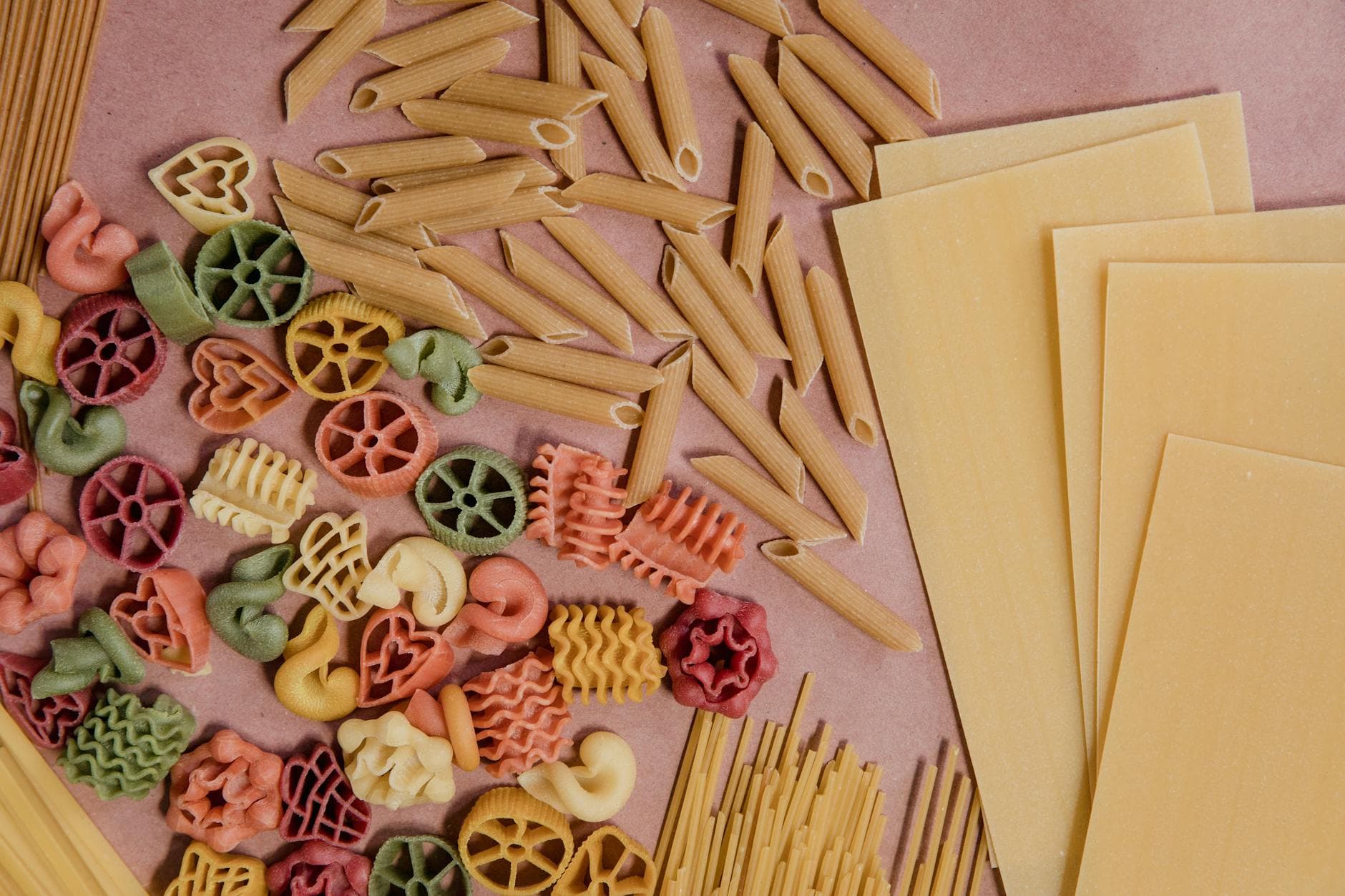
Italian pasta importers, specialty grocers and restaurant buyers got the break they had been waiting for: the United States cut proposed duties that had threatened to push landed costs on major Italian brands to punishing levels, replacing the worst-case 107% burden with final antidumping rates in the low single digits for the biggest named exporters.
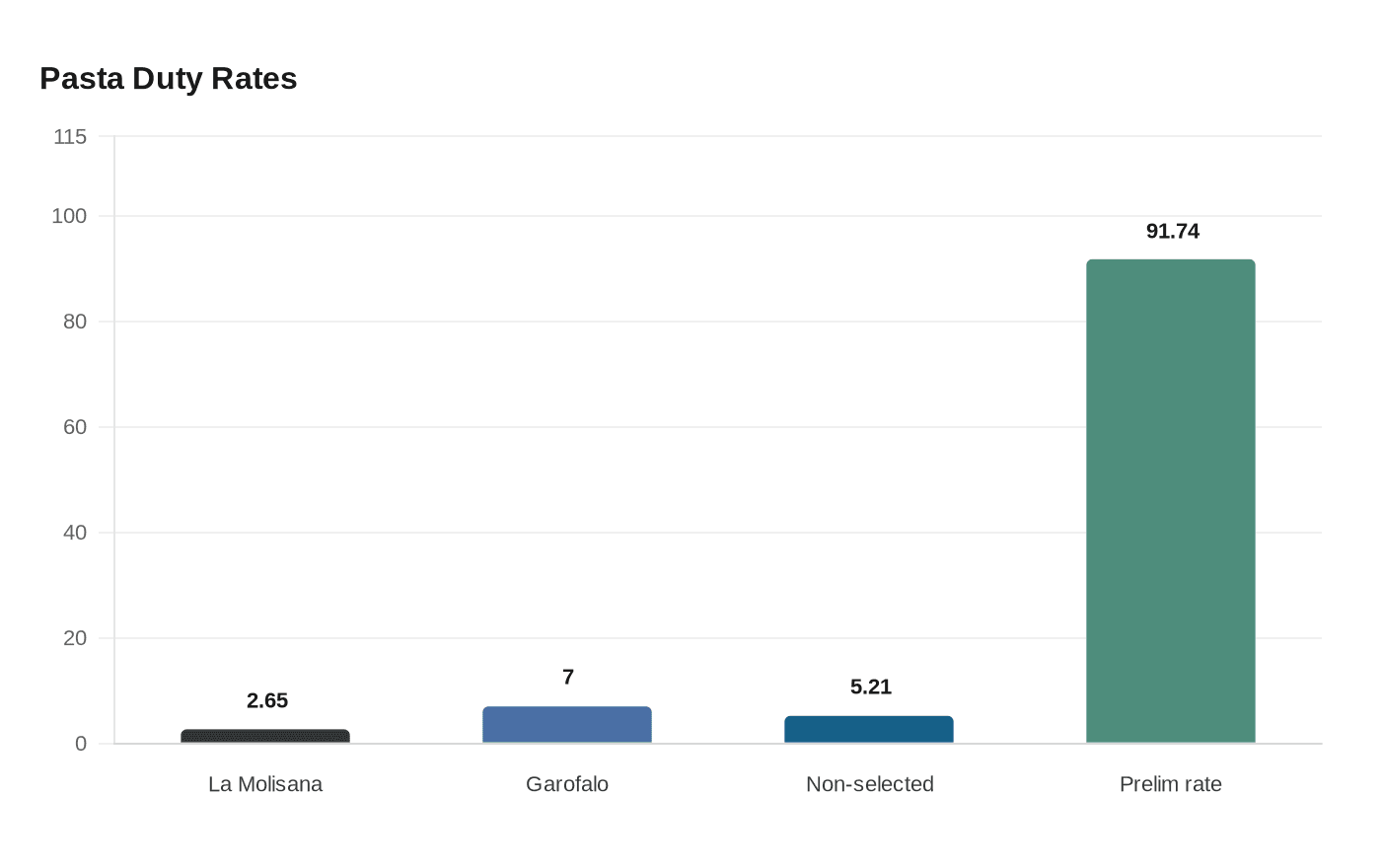
The U.S. Department of Commerce announced final results of its review on March 12, 2026, covering pasta entered between July 1, 2023, and June 30, 2024. The agency set margins at 2.65% for La Molisana, S.p.A., 7.00% for Pastificio Lucio Garofalo S.p.A., and 5.21% for non-selected companies. Those numbers landed far below the preliminary 91.74% rate that had alarmed the industry and, when paired with a separate 15% tariff on most European Union imports, had implied a total levy of nearly 107%.
Commerce said the case was part of a long-running trade dispute over Italian pasta that dates back to the original antidumping duty order on July 24, 1996. The current administrative review began on August 14, 2024, after requests from interested parties, and preliminary results were published on September 4, 2025. In its preliminary ruling, Commerce found that La Molisana and Garofalo had sold pasta at less than normal value during the review period and rescinded the review for some companies.
The recalculation matters well beyond the trade lawyers. The United States is one of Italy’s most important pasta markets, with Coldiretti citing nearly €671 million in U.S. exports in 2024, while other reporting put the market value near $800 million for Italian exporters. The targeted companies included Barilla, La Molisana, Garofalo and Rummo, names that fill supermarket shelves and restaurant supply orders across the country.
Industry reaction had been fierce when the preliminary rates surfaced. Coldiretti warned the tariffs would “virtually wipe out” pasta exports to the U.S. Italy’s foreign ministry later said the revised calculation showed U.S. authorities recognized the companies’ “constructive willingness to cooperate.” For importers and buyers, the practical effect is immediate: the biggest fear was a shelf-price shock, and the final duties sharply reduce the odds that premium dried pasta from Italy disappears from everyday baskets and menu builds.
This article was produced by Prism’s automated news system from verified source data, official records, and press releases, then run through automated quality and moderation checks before publishing. The system is built and supervised by the people who set the standards it runs under. Read our full AI policy.
Did this article answer your question?