New GMs Guide to Running Your First Pathfinder Society Scenario
Running your first Pathfinder Society scenario is simpler than it looks; this 10-step checklist covers everything from chronicle sheets to table safety.

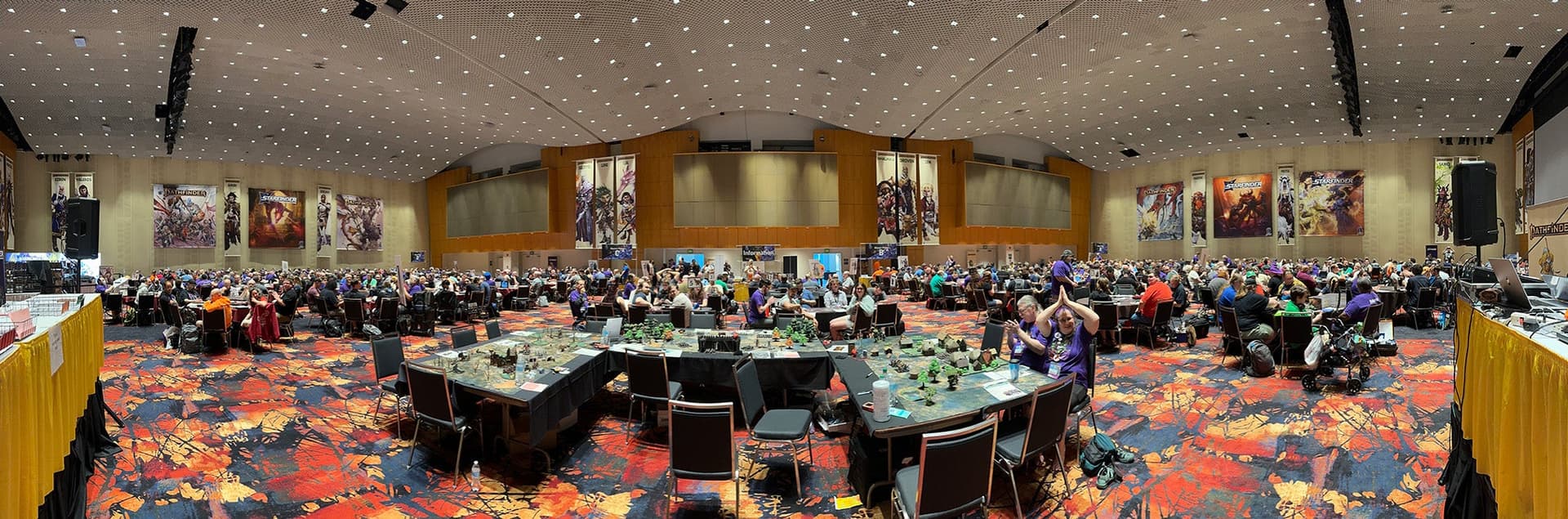
Organized Play is one of the most powerful on-ramps into the Pathfinder ecosystem, but the administrative layer sitting between "I want to GM" and "everyone had a great time and got their chronicle sheet" can feel overwhelming the first time you sit behind the screen. Whether you're running a sanctioned table at your local game store, debuting at a convention, or hosting a virtual session on a virtual tabletop, the prep framework is largely the same. What follows is the practical, table-facing checklist that gets you from scenario PDF to session wrap cleanly and confidently.
Before You Open the Book: Understanding What You're Running
Pathfinder Society scenarios are sanctioned organized play content published by Paizo, meaning there are rules beyond the rules: reward triggers, chronicle sheets, level brackets, and reporting expectations that exist independently of whatever narrative the scenario is telling. Understanding this dual layer, story plus admin, before you crack the PDF is the single most important mindset shift a new GM can make. You're not just a storyteller; you're also a record-keeper for a living, persistent campaign that players carry from table to table. Respect both roles equally and the session almost runs itself.
The 10-Step Prep Checklist
1. Acquire and read the scenario fully
Read the whole thing at least once before you prep anything else. Identify the major beats, key NPCs, and the two or three most likely combat encounters. You'll forget details under table pressure; a first full read gives you the skeleton you'll hang everything else on.
2. Timebox the session
Decide upfront whether you're running a standard 2-4 hour session or a compressed lunch-table format, and mark the breakpoints where you'll stop if time runs short. Scenarios are written with natural act breaks; know which one is your escape hatch before the clock starts.
3. Verify level brackets and prepare pre-gens
Check the scenario's tier and confirm that any pre-generated characters you're bringing match the scenario's rank. Prepare at least one backup pre-gen; someone will show up without a character, and a prepared GM doesn't lose 20 minutes to that problem.
4. Download the chronicle sheet and know the rewards
Print or download Paizo's official chronicle sheet for the scenario and read it before the session. Know the XP triggers, renown awards, and any boon conditions so you're not squinting at reward language while players stare at you. Consulting the official Paizo Organized Play pages for the most current templates is standard practice, since Paizo's remaster updates and errata can change how certain rewards are structured.
5. Set table tone and run a safety check
Open every session with a brief lines-and-veils call. Ask players upfront how they want social or mature themes handled, clarify expected table behavior, and give everyone a low-friction way to flag discomfort mid-session. This takes three minutes and prevents the kind of table friction that derails an otherwise excellent scenario.
6. Prepare maps, miniatures, and handouts
Build a simple tactical map for each major combat encounter, even if it's just a hand-drawn grid. Print or prepare any handouts the scenario uses, whether that's an NPC's written note, an inscription, or a riddle. Physical props speed play and keep players from asking you to re-read flavor text five times.
7. Build a rules adjudication plan
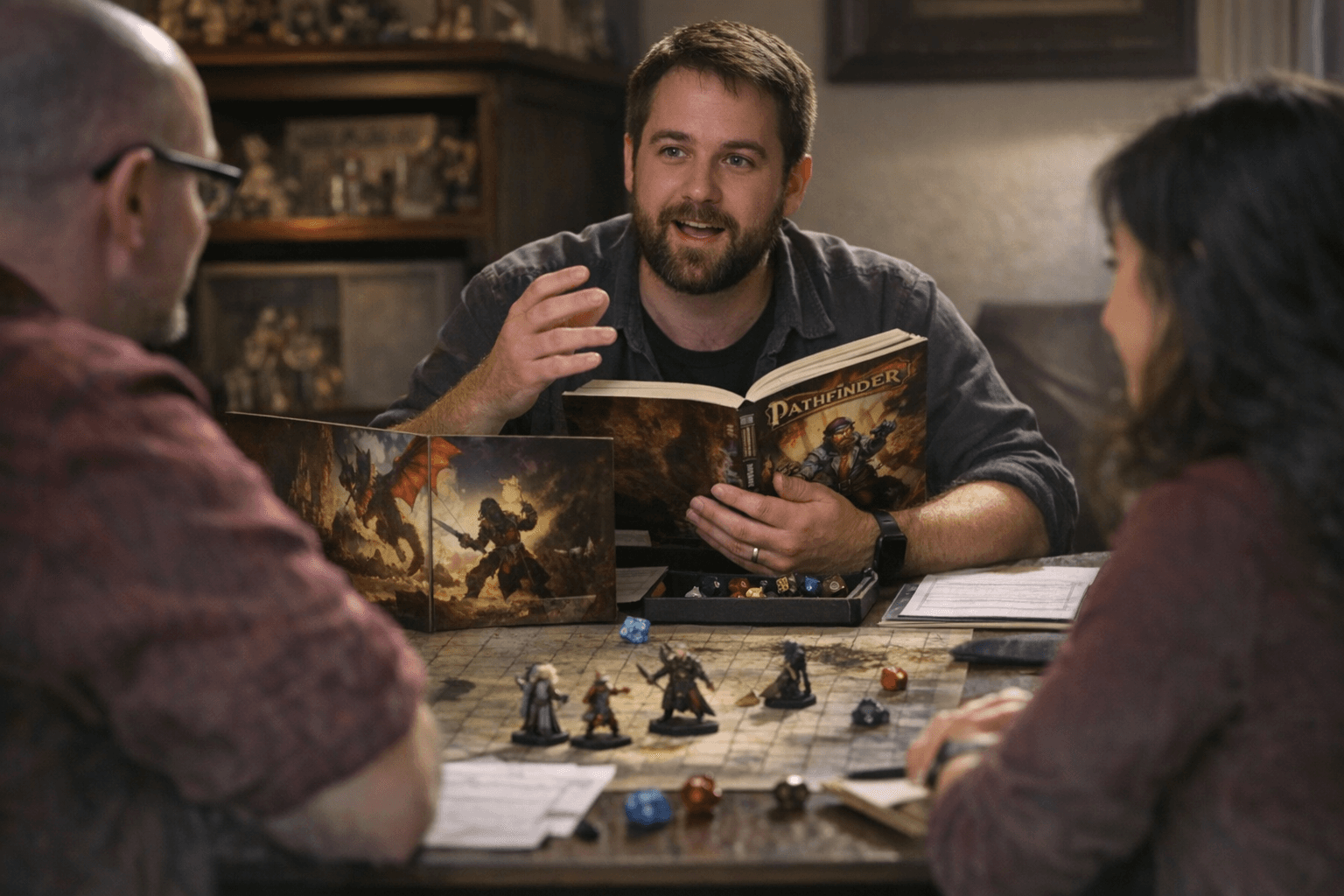
Before the session, identify the rules most likely to spark debate at your specific table: attacks of opportunity, area effect targeting, resistance and weakness interactions. Decide on a consistent ruling for each and stick to it for the full session. Note that Paizo's ongoing remaster and errata cycle may affect how specific rules should be handled, so cross-referencing current guidance before the session avoids mid-table surprises.
8. Confirm event logistics
For in-person play, lock down the room, start time, seat count, and any store-specific sign-in or payment requirements before the day arrives. For online play, confirm your virtual tabletop platform, voice and video setup, and how you'll handle chat moderation. These details feel minor until they eat the first 30 minutes of your session.
9. Reserve 10 minutes for the session close
At the end of the session, before anyone packs up, spend 10 minutes filling out the chronicle sheet correctly and walking players through their awards. Answer questions about boons, future scheduling, and any outcome-dependent rewards. This is the moment players decide whether they're coming back; a clean, unhurried close communicates professionalism.
10. Post an after-action recap
After the session, post a short recap and learning notes to your store's event page or Discord. It doesn't need to be long; a few sentences about what ran well and what you'd adjust next time signals to future players that this table is worth attending and helps you grow as a GM.
When Time Is Not on Your Side
Conventions and lunch tables will test your ability to cut without killing the story. If you're running short, run the first act fully and cut the second encounter, then save it as the hook for a continuation. Rather than re-reading stat blocks mid-combat, build a single reference page before the session: note each minion's drop threshold (something in the 10-15 HP range works for most low-tier scenarios) and flag the boss's phase transition at half HP. Keep that page in front of you and combat moves at a pace that doesn't lose the room.
Transparency is also a speed tool. If you make a mechanical ruling that softens or adjusts a rule for table flow, say so out loud at the start. Players, especially experienced Society players, adapt quickly when you tell them what you're doing. What they don't adapt well to is discovering mid-session that the rules they've been playing by aren't the ones everyone else assumed.
Why This All Matters
A well-run Society table does something that a casual home campaign rarely does: it creates a repeatable, scalable community event. For stores, consistent sanctioned tables drive repeat attendance and generate the kind of social proof that convinces a curious new player to sit down for the first time. For GMs, a standardized prep routine reduces last-minute scramble and maintains the fair, consistent rulings that veteran players carry expectations about from table to table. For players, it means their time and their character's rewards are respected.
Pathfinder Society has always been the part of the hobby where the community is the product. Every GM who runs a clean, well-prepped scenario adds one more reason for players to stay in the ecosystem, bring a friend next time, and keep the calendar full. The checklist above won't make you a perfect GM immediately, but it will make sure that your first table, and your tenth, starts and ends with the players feeling like their session was worth showing up for.
Know something we missed? Have a correction or additional information?
Submit a Tip