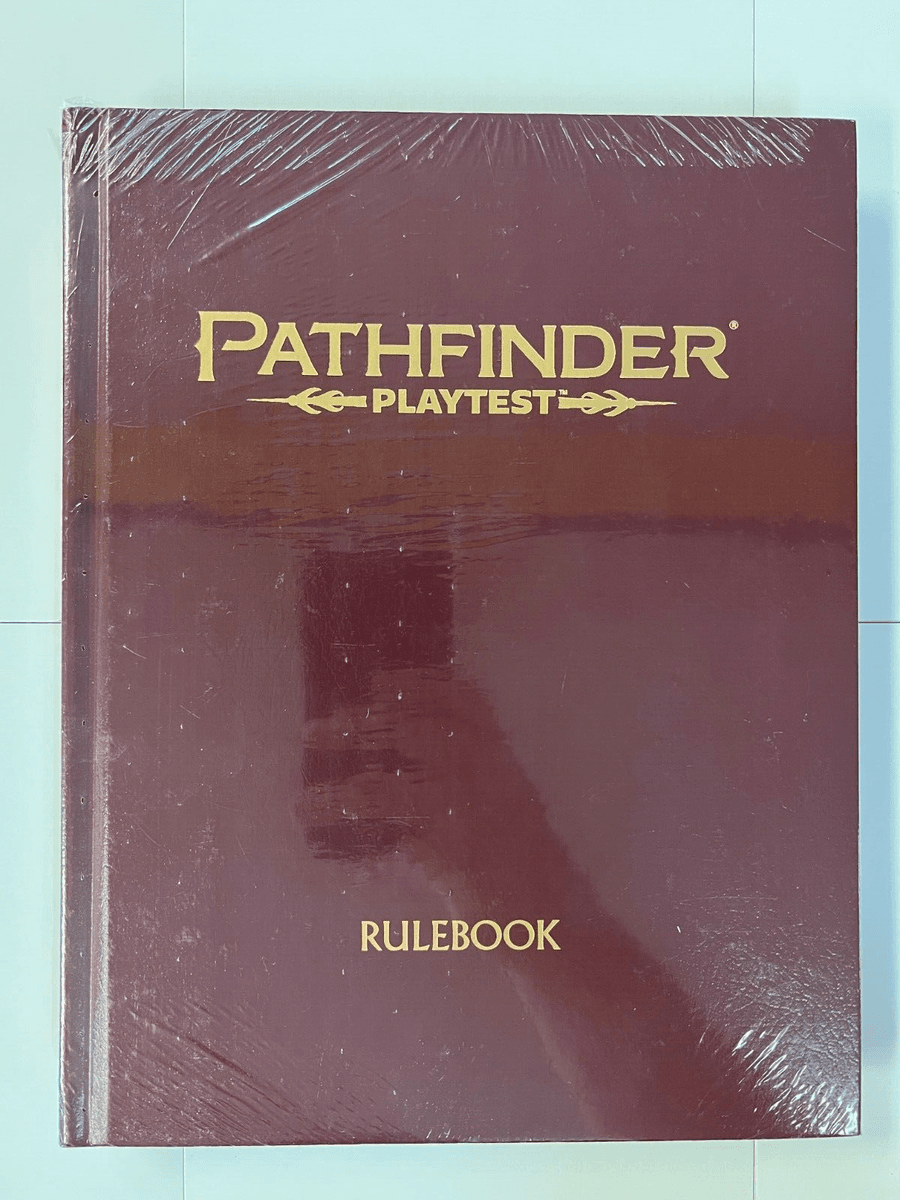
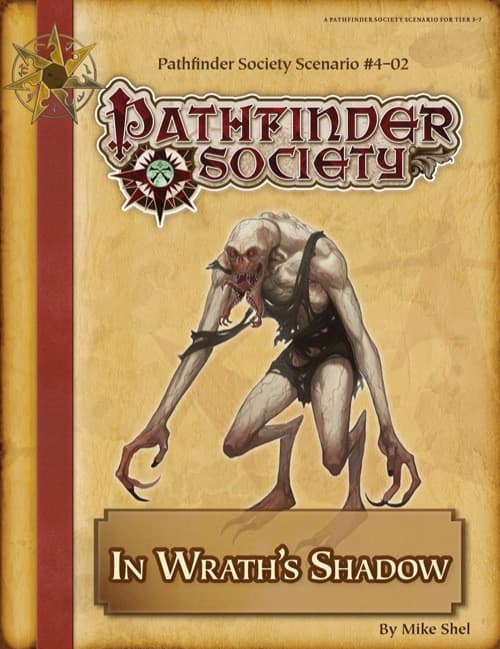
Paizo's Pathfinder Second Edition conversion guide helps bridge older campaigns
Paizo’s conversion guide still tells you what to port, what to rebuild, and when older Pathfinder material is better left in its original rules.
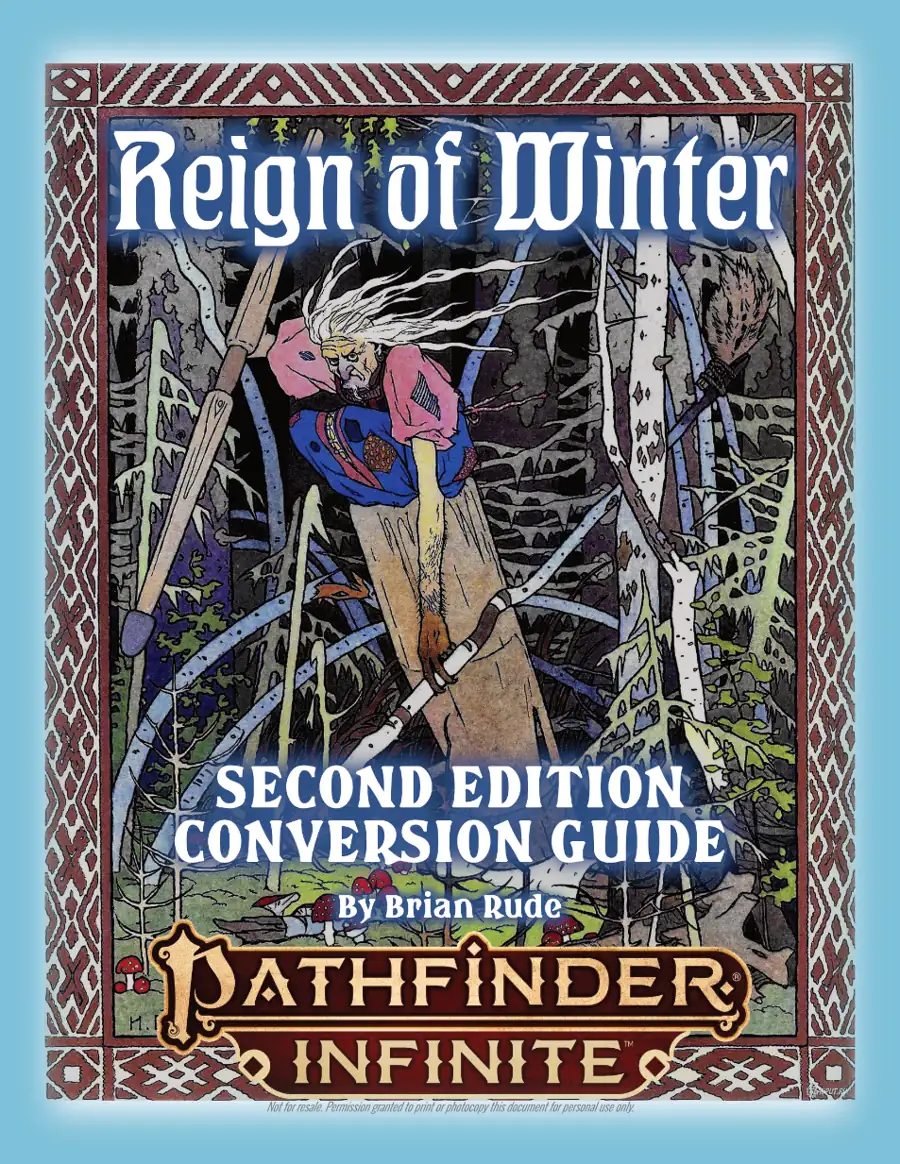
When you are staring at a Pathfinder 1e campaign and wondering whether to drag it into Second Edition or rebuild it from scratch, Paizo’s Conversion Guide is still the cleanest place to start. Published on August 12, 2019, just after Pathfinder Second Edition launched on August 1, it was built for the exact problem tables were already facing: how to move favorite characters, spells, magic items, and monsters without turning prep into guesswork.
What the guide was built to do
Paizo did not frame the Conversion Guide as a lore handout or a rules teaser. It was written because the company knew groups wanted help moving ongoing games into the new system, and it promised “tips, tricks and a mountain of advice” to make that transition less painful. That matters because Pathfinder Second Edition was not a quick redesign. Paizo says it took more than three years of development and feedback from tens of thousands of playtesters before launch, which tells you the guide sits at the end of a long design shift, not a cosmetic rules pass.
The practical value is in the scope. The guide does not wander across every corner of the ruleset looking for things to say. It calls out conversion notes for characters, spells, magic items, and monsters, which are the exact places where a table feels edition friction first. If you have an old campaign on the shelf, that four-part focus gives you a workable checklist instead of a vague invitation to “adapt as needed.”
Where conversion is easiest, and where it gets sticky
The best conversions are the ones tied to specific campaign identity: a signature hero, a favorite villain, a set piece monster, or a magic item the whole table remembers. Those are the parts the guide is clearly aimed at, because they are the pieces players actually care about preserving when a campaign crosses from Pathfinder Roleplaying Game territory into Pathfinder Second Edition. Character concepts are often worth saving when the role at the table matters more than exact number-by-number fidelity.
The friction shows up when the old material depends on the math of another edition to do its work. That is why monsters and spells sit so high on the list. A monster can be a simple carryover in story terms and still need GM judgment in table terms, while a spell may preserve its concept even if its exact interaction with the newer rules needs a rethink. The guide gives you a bridge, but it does not remove the need to decide whether a conversion should be light, medium, or effectively a rebuild.
That is the most useful way to read it: not as a command to translate everything, but as permission to be selective. If an older adventure is carrying a strong story hook and a small set of memorable enemies, the guide helps you keep the parts that matter. If the material lives and dies by old mechanics, you may be better off rebuilding the encounter or the concept in native Second Edition terms.
How to decide whether to convert or rebuild
The guide is most valuable when it helps you answer a blunt table question: is this worth the effort? For a long-running home campaign, the answer is often yes, because the emotional investment is already there and the guide gives you a place to start with the numbers. For a one-off dungeon or a campaign that has become a pile of highly tuned 1e math, rebuilding in 2e can save time and preserve the feel better than a line-by-line port.
A simple way to use the guide at the table is to sort the material before you touch the rules.
- Convert when the campaign depends on a named PC, a favorite monster, or a signature magic item you want to keep alive.
- Convert when the story is already working and only the mechanical chassis needs help.
- Rebuild when the old stat block is doing most of the creative work and the concept is more important than the exact numbers.
- Rebuild when you are already changing the encounter structure, because that usually means you are halfway to a new design anyway.
That decision-making value is why the guide still matters for older adventures and legacy home games. It is not there to prove that everything can be made compatible. It is there to help you spot the cases where the old material can be rescued cleanly and the cases where you will waste less time starting fresh.
Why the remaster did not make the guide obsolete
Paizo’s current Pathfinder getting-started page still points to the Pathfinder Remaster Project as a fresh entry point, and it also says the remaster remains compatible with existing Pathfinder Second Edition products. That is the key reason the conversion conversation never really disappears. If the game had been replaced by a hard reset, old conversion advice would have aged out fast. Instead, Paizo kept the underlying continuity intact.
The remaster itself came in four hardcover books: Pathfinder Player Core and Pathfinder GM Core in November 2023, Pathfinder Monster Core in March 2024, and Pathfinder Player Core 2 in July 2024. Paizo’s remaster FAQ is explicit that this does not fundamentally change the core system design and is not a new edition. In other words, the company has kept building transition tools instead of forcing tables to choose between total abandonment and blind continuity.
That continuity is exactly why the 2019 Conversion Guide still has a place in the ecosystem. It was written for the first big transition into Pathfinder Second Edition, but the logic behind it still fits the way Paizo handles updates: keep the system readable, keep the old material useful, and give tables a path forward instead of making them solve everything alone.
The larger Pathfinder ecosystem around conversion
Paizo still maintains a dedicated Pathfinder Second Edition Conversions forum, which is a useful signal all by itself. This is not a dead topic with a single official answer. It is a living category of table problems, and the forum exists because people are still trying to move content across edition lines while keeping their campaigns intact.
That forum context also shows why some groups skip conversion entirely. In August 2023, a forum post noted that there were already 12 Pathfinder Second Edition Adventure Paths in print, plus 8 Pathfinder Second Edition Adventures, 21 Bounties, and 4 One-Shots. If the thing you want to run already exists in native Second Edition form, there is a strong case for using published PF2 material instead of hauling a legacy AP across the gap. The guide becomes the fallback plan when the newer catalog does not already cover the story you want.
Paizo still promotes the Conversion Guide on its Pathfinder landing pages as advice for converting a world or character, which keeps it in the same practical lane it occupied in 2019. That is the real story here: the guide is useful because Pathfinder has accumulated enough history that tables now face a regular choice between preserving old material and rebuilding it for the current rules.
When you are standing in front of a shelf full of old Pathfinder notes, that choice is the whole game. The Conversion Guide does not erase the work, but it gives you a sharper answer to the question that matters most: what is worth carrying forward, and what is better left behind.
This article was produced by Prism’s automated news system from verified source data, official records, and press releases, then run through automated quality and moderation checks before publishing. The system is built and supervised by the people who set the standards it runs under. Read our full AI policy.
Did this article answer your question?