Pathfinder Adventure Card Game turns tabletop progression into deck building
If your group can’t keep a weekly campaign alive, this is the Pathfinder game that turns leveling, loot, and teamwork into a faster, tactile deck-building loop.
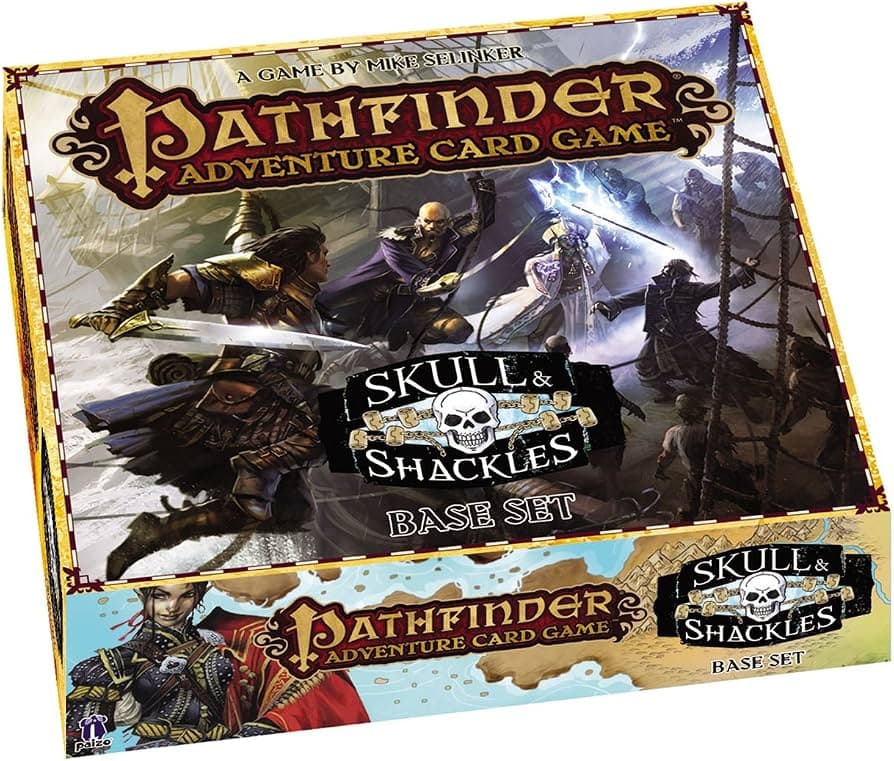
If your Pathfinder table keeps stalling because nobody can commit to a full campaign every week, the Pathfinder Adventure Card Game solves the exact problem. It keeps the co-op, the monster-fighting, and the character growth, but it moves progression into a personal deck of gear, spells, allies, and powers that changes in front of you instead of living on a character sheet.
Why this version of Pathfinder clicks for busy groups
The biggest reason this game works is that it is still unmistakably Pathfinder, just compressed into a format that respects limited time. Paizo describes it as a cooperative strategy game for 1 to 6 players, and each player runs a unique character with a deck that gets stronger as the adventure continues. That means you are not trying to hold a six-month story arc together through scheduling chaos; you are opening a box, picking a character, and making visible progress every time you play.
That physical progression is the whole trick. Instead of abstract bookkeeping, upgrades show up as cards you can see, shuffle, and carry forward, which makes every reward feel earned. For groups that like the tactical side of Pathfinder but do not have the bandwidth for a traditional RPG schedule, that is a better use of table time than launching another campaign that will fade out after three sessions.
The box is built like a real game platform, not a one-shot experiment
The Core Set is the cleanest entry point because it is not just a starter product, it is the hub of the line. It includes The Dragon’s Demand Adventure Path storybook and cards, and it is built to support repeated runs with a modular core that lets you tune difficulty and speed rather than accept a fixed challenge. That matters if your group wants a game that can stretch from casual nights to more demanding sessions without needing a new ruleset every time.
The physical footprint is substantial, too. Retail listings describe the Core Set as 440 cards, 12 character pawns, 5 dice, and 63 tokens, which tells you this is a tabletop system with real presence, not a lightweight filler game wearing a fantasy skin. Paizo also positions the line as a fantasy cooperative strategy game that expands through adventure paths, class and add-on decks, promo cards, accessories, and more, so the Core Set behaves like a living platform rather than a dead-end box.
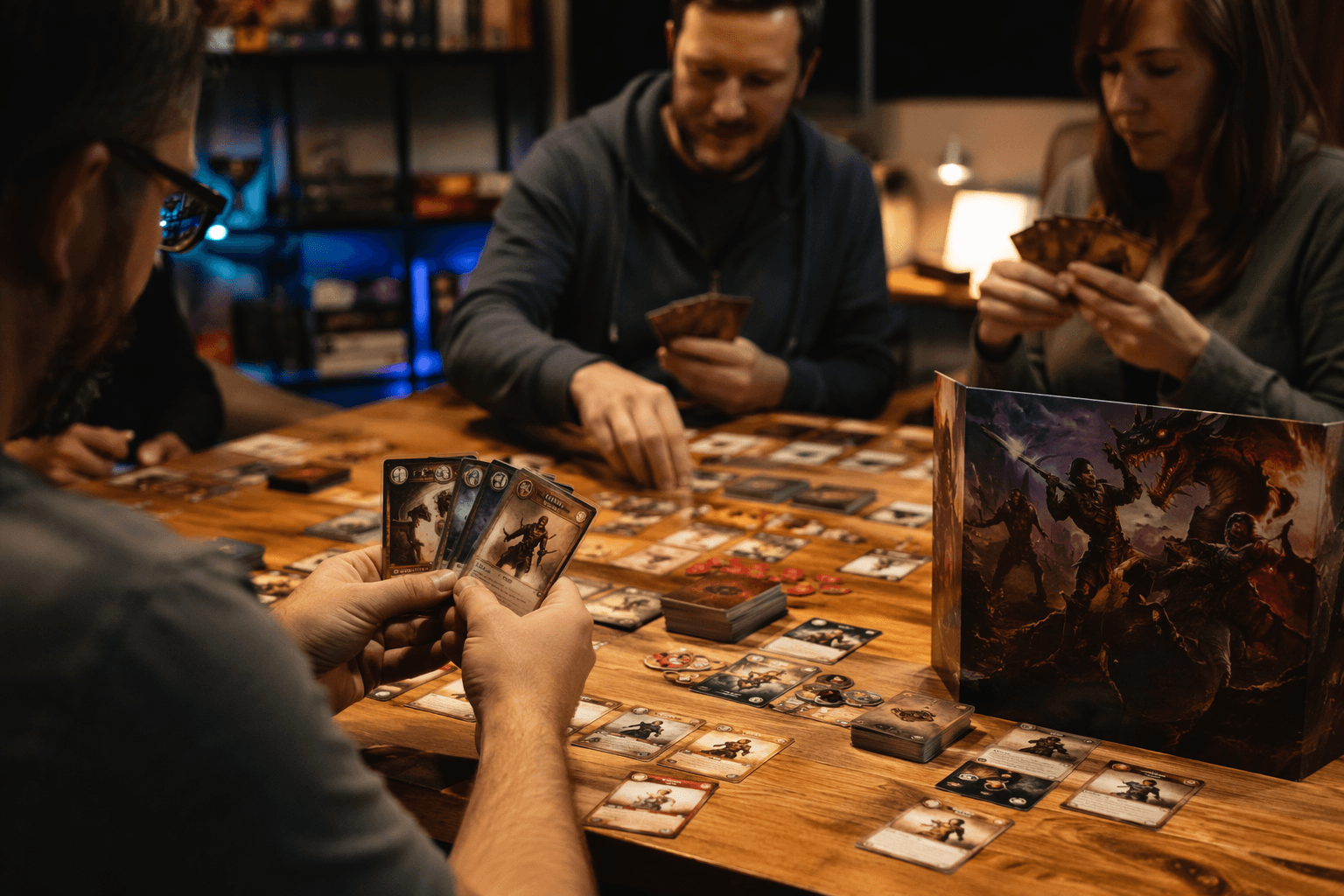
A few practical things make that platform appealing:
- You can start with the Core Set and keep going without rebuilding from scratch.
- The game supports both speed and difficulty adjustments, which is useful when the table only has a short window.
- It stays close to Pathfinder’s class-and-loot identity while turning advancement into deck construction.
It launched with the kind of demand most spin-offs never see
The original Pathfinder Adventure Card Game: Rise of the Runelords Base Set debuted at Gen Con Indy 2013 and sold out in less than 4 hours. That kind of launch says a lot about the appetite for a Pathfinder game that did not require a long-form GM commitment, because it hit a sweet spot between familiar setting, co-op play, and a system that looked easy to table on a busy night.
Paizo later said the design team had finished the base set by the GAMA Trade Show of 2013, which shows how quickly the line moved from development to release. The speed matters because it helps explain why the game arrived with enough polish and momentum to become more than a novelty. It was not just a brand extension, it was a fully formed answer to a very specific table problem: how do you get Pathfinder-style progression without needing the same full campaign infrastructure every week?
How the organized play layer kept it alive
The game did not stop at boxed adventures. Pathfinder Adventure Card Society was Paizo’s worldwide organized play campaign, built around seasons and scenarios, with each season made up of numerous adventures set across exotic Pathfinder locations. Paizo says the campaign added hundreds of new scenarios written by the team behind the card game, which gave regular players a steady stream of content instead of a single finite box.
The structure was also friendly to shorter sessions. Paizo’s store pages describe scenarios as built around two-hour play sessions, while standalone adventures are listed at one to two hours. PathfinderWiki places the Adventure Card Society’s debut on October 1, 2014, and community documentation says it officially ended in 2021, but the important takeaway is that the game had an organized-play backbone for years, not months.
That makes a difference when you are choosing what to bring to the table. If your group wants the social rhythm of organized play, the card game had it. If your group wants to stay home and just progress through Adventure Paths on its own schedule, the Core Set and its expansions still support that style of play cleanly.
Who gets the most value from it
This is the Pathfinder game for the group that keeps saying, “We need something easier to run.” It fits players who want co-op play, shorter sessions, and a real sense of advancement without the overhead of a traditional RPG campaign. It also makes sense for tables that like Pathfinder’s class identities and fantasy loot, but want those elements expressed through decks, scenarios, and modular content rather than through a long GM prep cycle.
If you are comparing it to launching yet another full campaign, the value is obvious. The Pathfinder Adventure Card Game gives you Pathfinder feel, visible progression, and enough structure to keep a table moving even when everyone’s calendar is a mess. That is why the original box sold out so fast, and why the line still makes sense whenever you need Pathfinder to fit the time you actually have.
This article was produced by Prism’s automated news system from verified source data, official records, and press releases, then run through automated quality and moderation checks before publishing. The system is built and supervised by the people who set the standards it runs under. Read our full AI policy.
Did this article answer your question?