Pathfinder NEXUS remaster keeps legacy books and characters usable
Pathfinder NEXUS lets you keep legacy books and characters while moving to Remaster rules, so mixed-era tables can upgrade without rebuilding.
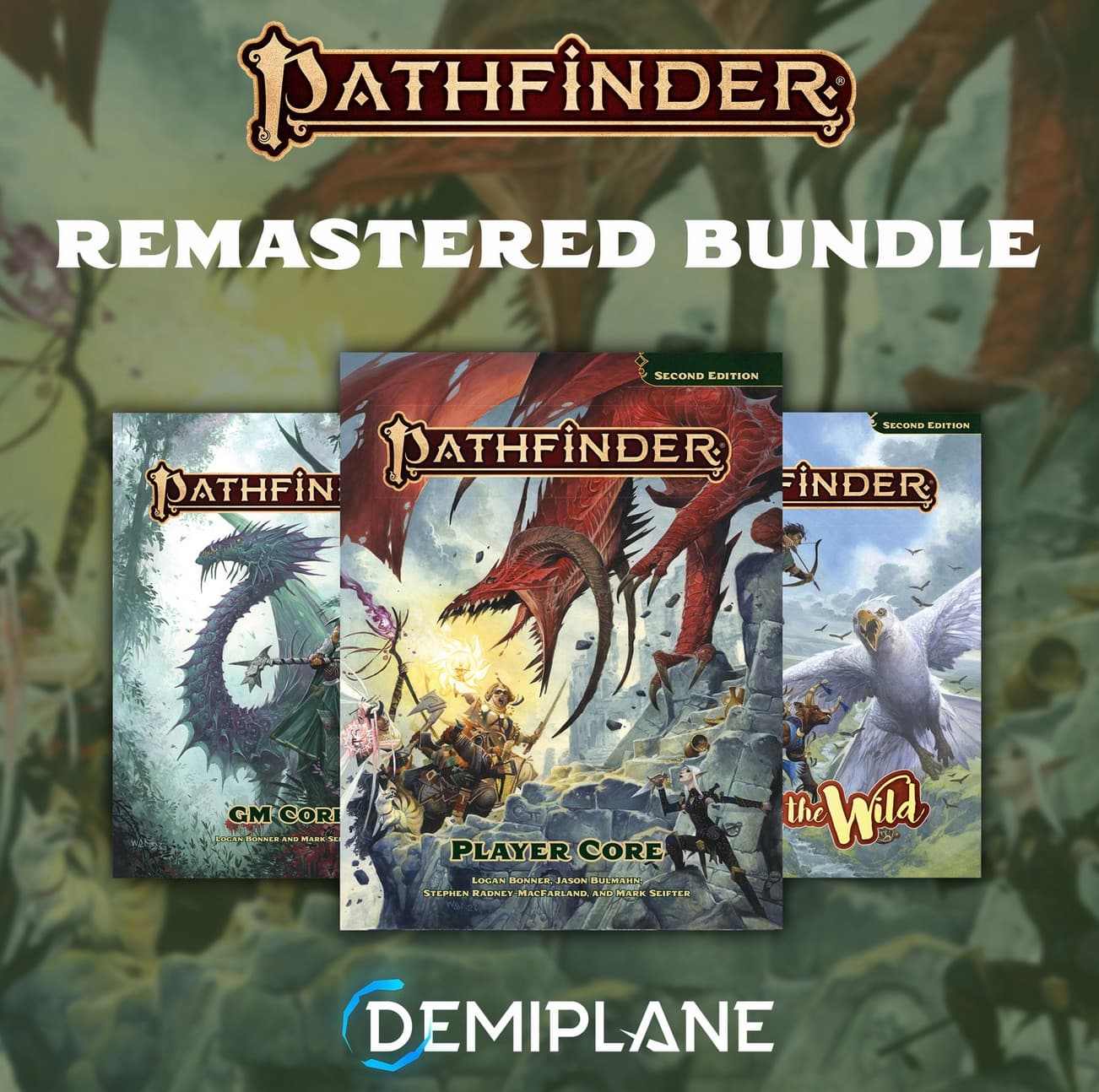
Pathfinder NEXUS solves the part of the Remaster transition that actually hits a table: keeping old characters, old books, and new rules in the same orbit. Demiplane says the platform will support Remaster rules from day one while still preserving legacy 2nd Edition books and characters, which means a group does not have to pick between its current campaign and the newer Pathfinder books. That matters when a home game is halfway through a story arc, a GM is still using older monsters, or one player has upgraded and the rest have not.
The point is continuity, not a forced restart
Paizo’s Remaster Project was announced in 2023 as four hardcover books: Pathfinder Player Core, Pathfinder GM Core, Pathfinder Monster Core, and Pathfinder Player Core 2. Paizo said Player Core and GM Core were slated for November 2023, Monster Core for March 2024, and Player Core 2 for July 2024. Just as important, Paizo said the Remaster does not alter Pathfinder’s fundamental core system design and is not a new edition, which is why old and new material can live side by side instead of replacing each other overnight.
That framing is the backbone of Pathfinder NEXUS’s remaster support. Demiplane’s message is simple: keep playing your way. In practice, that means a table can move into the updated rules without deleting the campaigns, characters, and purchases already in use. For a game that often runs for months or years, that is the difference between an orderly transition and a frustrating rebuild.
How the upgrade path works for buyers
The most useful piece of the program is the way it handles ownership. Demiplane says users can get a free upgrade to Player Core if they own or buy Core Rulebook, and a free upgrade to GM Core if they own or buy Gamemastery Guide, when those items are added to the cart at the same time. That makes the digital decision much easier for anyone trying to figure out whether to rebuy core material.
The promotion later expanded beyond the first two books. Demiplane forum posts said Monster Core and Player Core 2 were folded into the special program as well, and users who owned the Bestiary or Advanced Player’s Guide could receive corresponding remaster upgrades. For a Pathfinder library that already stretches across multiple hardcovers, that is a practical way to avoid paying twice for the same conceptual shelf space just because the rules language moved forward.
The value here is not abstract. If you already own the Core Rulebook digitally, you are not starting from zero when Player Core arrives in the remaster path. If your table still relies on Gamemastery Guide material, you do not have to abandon it to stay current. The system is built to reduce the usual pain of edition-adjacent updates: comparing old and new printings, wondering whether a character option survived, and deciding whether a fresh purchase is worth it.
What this means at the table
For players, the big win is preserving character continuity. A legacy character does not need to be rebuilt just because the Remaster version of a class or option exists in Pathfinder NEXUS. That is especially helpful in campaigns where a build was made around older wording, older feat access, or a specific option that still functions in the older rules environment.
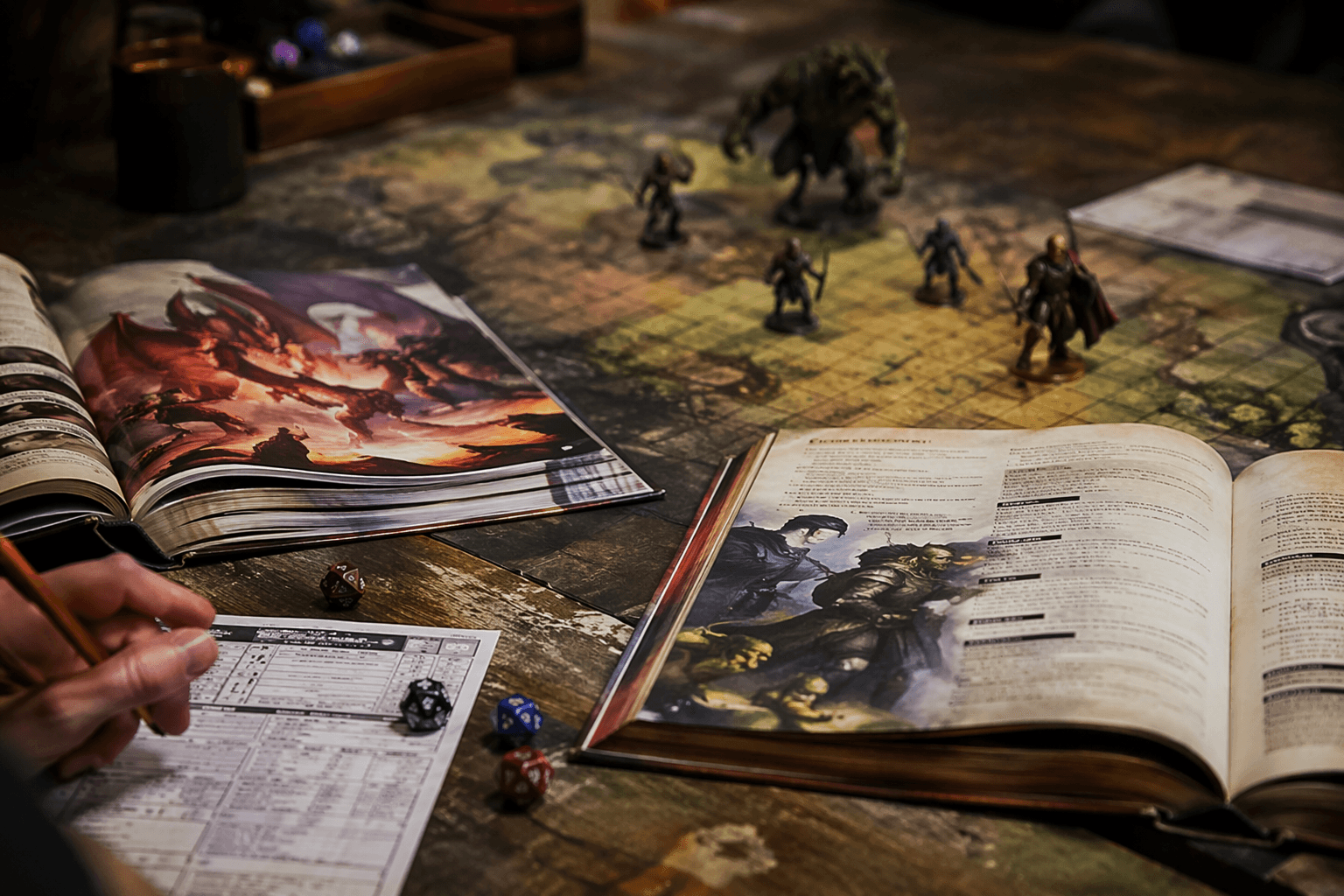
For GMs, the platform is even more useful as a working reference. You can keep a current table moving while older encounters, NPCs, and campaign notes remain usable in the legacy rules space. If you need to check a renamed spell, compare class wording between versions, or verify whether a pre-Remaster option still exists in the new presentation, having both sides available in one digital ecosystem cuts down the usual friction.
That kind of mixed-era support also helps when a party updates unevenly. One player can be looking at the remastered presentation while another is still running off an older character sheet, and the campaign does not have to grind to a halt. Demiplane’s official pitch is that the platform is an official digital toolset and game companion created through a multi-year licensing agreement with Paizo, so this is not just a fan-made workaround. It is meant to be the bridge between Paizo’s publishing schedule and the reality of actual home campaigns.
Why the official support matters
This is where Pathfinder NEXUS stands out from a simple digital archive. Demiplane’s remaster page and FAQ position the service as an official place to manage the transition, not merely store PDFs or mirror books. The platform’s job is to keep rules searchable, keep ownership meaningful, and make remastered access feel automatic when the newer version exists.
That also explains why the remaster remains a live issue in 2025 and 2026 rather than a one-time conversion. Demiplane’s Pathfinder blog has continued to list remaster-related updates and errata, which shows the company still treats this as ongoing support work. For anyone maintaining a long-running table, that is the reassuring part: the transition is being handled as a process, not a cliff.
The practical takeaway for Pathfinder groups
If you are running mixed-era Pathfinder content, Pathfinder NEXUS is built to spare you the worst part of a rules transition. You can keep legacy books and characters usable, adopt remastered rules when you are ready, and use the official digital path to decide whether a purchase should upgrade rather than duplicate your library. That matters for new campaigns, but it matters even more for the ones already in motion.
The Remaster changed the presentation of Pathfinder, not the basic structure underneath it. Pathfinder NEXUS is the tool that makes that distinction matter at the table, where continuity is worth more than a clean slate.
This article was produced by Prism’s automated news system from verified source data, official records, and press releases, then run through automated quality and moderation checks before publishing. The system is built and supervised by the people who set the standards it runs under. Read our full AI policy.
Did this article answer your question?