Pathfinder: Wrath of the Righteous and Its 232 Subclasses Earn PC Gamer Praise
PC Gamer dubbed Wrath of the Righteous the ultimate buildcrafting RPG thanks to 232 subclasses, including a Ranger who mounts a griffon from level 1.
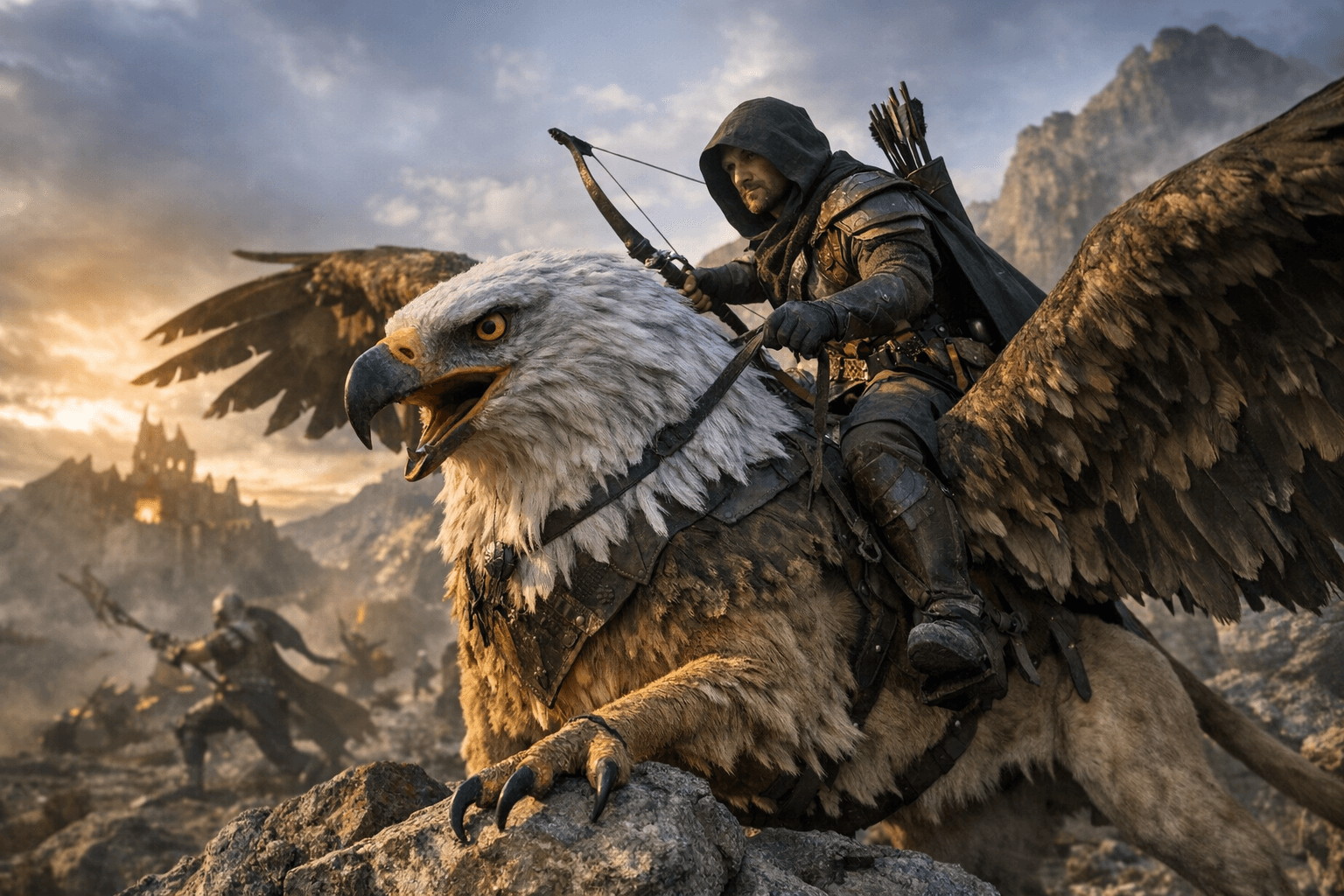
Two hundred and thirty-two subclasses. That is the number PC Gamer landed on when it crowned Pathfinder: Wrath of the Righteous "the ultimate RPG for buildcrafting freaks," and it is the kind of figure that makes any build-obsessed player stop scrolling. The outlet singled out one subclass above all others: an "overpowered Ranger" who gets to ride a griffon from level 1, not as some late-game reward, but as a session-one power fantasy.
That number is worth unpacking for anyone coming to the game fresh. Wrath of the Righteous draws from the sprawling rules of Pathfinder First Edition, translating its base classes, archetypes, and prestige class options into a CRPG framework that lets players stack customization in ways even many tabletop veterans have not fully explored. Two playthroughs can feel mechanically unrecognizable from each other, and the replayability loop that generates is precisely what gives the game its longevity with build-focused communities.
For the Pathfinder tabletop community, that visibility matters. Every Ranger player who discovers the griffon-mounted build in Wrath is, consciously or not, one step away from the source material. If the mounted power fantasy hooked you, the Beastmaster archetype in Pathfinder Second Edition delivers comparable companion-focused depth in tabletop form, built around the same core fantasy of a mobile hunter whose animal partner scales alongside them. If the Wrath Kineticist caught your eye, Paizo folded a fully redesigned version into PF2e with the Rage of Elements release. Wrath's inquisitor builds, blending divine authority with martial edge, find their closest PF2e counterparts in the Thaumaturge and Champion.
For players drawn to the denser mechanical texture that makes Wrath feel so bottomless, Pathfinder First Edition is the direct ancestor. The Skirmisher and Freebooter ranger archetypes in PF1e scratch exactly the same itch as Wrath's most versatile Ranger builds, and the Synthesist Summoner, a PF1e archetype conspicuously absent from the CRPG adaptation, represents precisely the kind of wild build-space experiment that makes the tabletop game a natural next destination for anyone who ran out of Wrath characters to try.
What the PC Gamer feature captures is where a significant slice of the wider gaming audience is encountering Pathfinder right now: not through a Paizo product launch or an organized play event, but through Owlcat's CRPG and its sheer mechanical generosity. Two hundred and thirty-two is not just a marketing number. It is the count of distinct starting identities available before a single ability score is assigned, a figure that communicates the system's depth more immediately than any rulebook summary.
The griffon at level 1 is the hook. The tabletop is the rabbit hole.
This article was produced by Prism’s automated news system from verified source data, official records, and press releases, then run through automated quality and moderation checks before publishing. The system is built and supervised by the people who set the standards it runs under. Read our full AI policy.
Did this article answer your question?