PF2e Sheet Link helps Pathfinder players manage linked actor sheets in Foundry
Sheet Link trims the Foundry clutter that slows summon-heavy turns, keeping linked PF2e sheets in step when every second at the table matters.
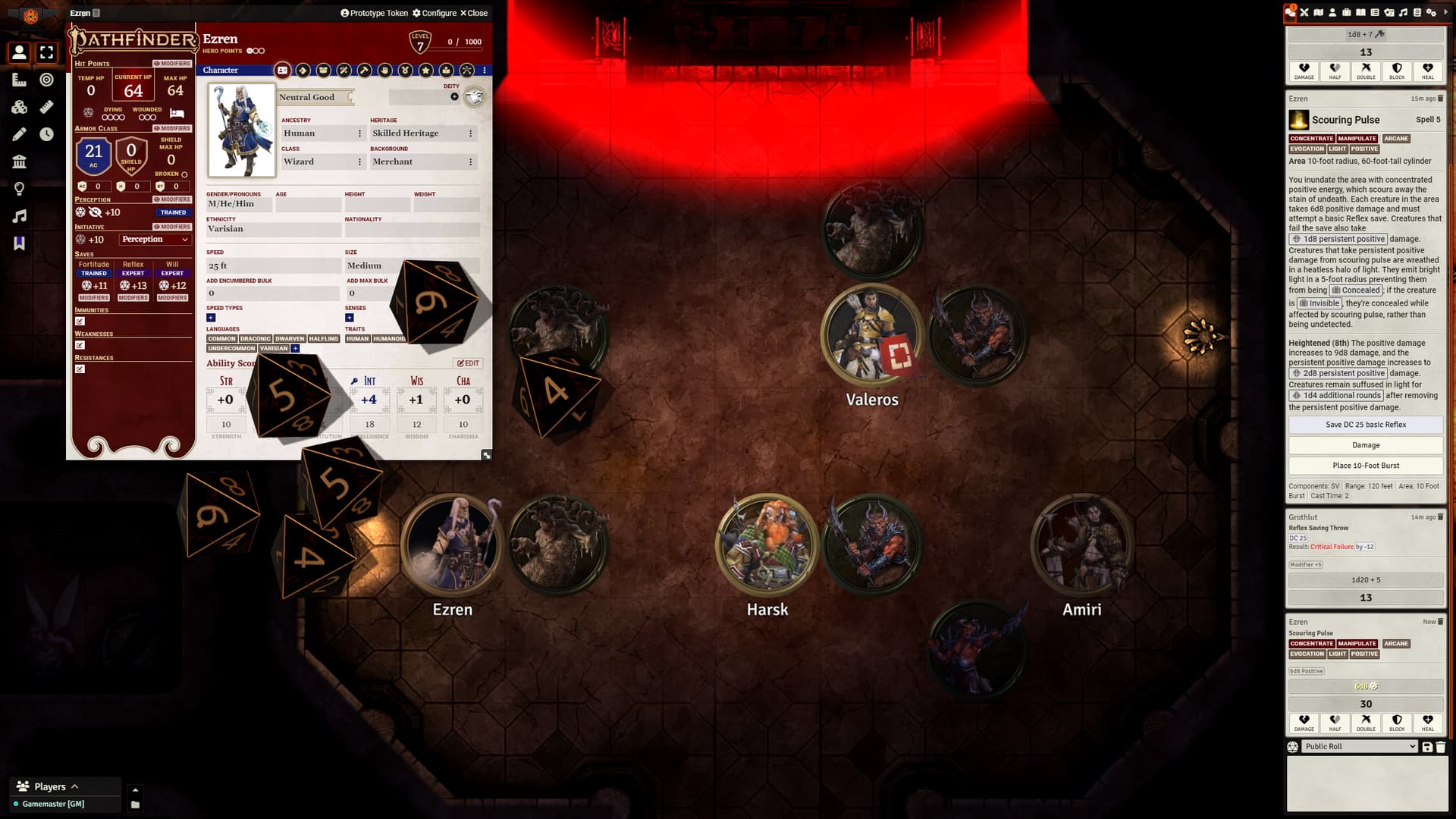
Sheet Link turns actor-sheet chaos into a working layout
Sheet Link is the kind of Foundry module you only really appreciate once a turn starts to sprawl. Instead of making you bounce between separate windows for a character, an eidolon, a familiar, or a companion, it gives Pathfinder Second Edition tables a way to keep related actor sheets together and easier to reach.

That matters because Foundry play lives and dies on screen space. When you are already tracking conditions, spell slots, reactions, and initiative, a pile of scattered sheets becomes friction fast. Sheet Link is built to cut that friction down to something a player or GM can manage without losing the flow of the encounter.
Rolodex keeps the right sheets in one place
The first half of the module is Rolodex, a window that works like a filing system for actor sheets. You add a sheet to it by clicking the “Rolodex” option in the actor sheet header, then collect the sheets you want to keep tied to the same task, character, or encounter.
That is a simple idea, but it solves a very real problem for PF2e tables. A summoner can keep a character sheet and an eidolon sheet grouped together, and a GM can do the same for linked creatures, companions, or other multi-actor setups. The module even has a recent quality-of-life change in its project repository, where version 2.1.1 adds an option to auto-populate the Rolodex on combat start, which means the window can prepare itself right when a fight begins.
For tables that run multiple active entities, that automatic start-of-combat behavior is more than convenience. It reduces the awkward first round where someone is still hunting for the right sheet while everyone else is already acting.
Tablink keeps tabs synchronized across linked sheets
The second half of Sheet Link is Tablink, and this is where the module starts to feel especially smart for Pathfinder play. Tablink lets two or more tab-based sheets share the same active tab, no matter which sheet you are interacting with at the moment.
The practical effect is easy to picture. If you are looking at a spell tab on one linked sheet, the other linked sheet can stay on that same tab instead of drifting to a different part of the interface. The module’s own example makes the use case obvious: a summoner can keep a character sheet and an eidolon sheet aligned so both always track the same active tab.
That synchronization removes one of the quiet annoyances of multi-sheet play. You are not just keeping pages open, you are keeping them on the same page, which means less backtracking and fewer little moments where you have to stop and reorient yourself before making a decision.
Why this matters in live play
Sheet Link is not trying to be flashy. Its value shows up in the middle of a session, when every extra click feels longer than it should and the table is waiting on you to finish a turn. By turning sheet management into a workspace instead of a pile of floating windows, it helps both players and GMs stay focused on the encounter instead of the interface.
The players who benefit most are the ones with complex character setups: summoners, anyone running companions or familiars, and players whose builds regularly ask them to swap between multiple actors. GMs get a similar payoff when they are managing linked NPCs, summoned allies, or encounter pieces that need to stay close at hand without swallowing the whole screen.
The clutter it removes is specific and familiar. Fewer detached windows. Less dragging and resizing. Less tab drift between related sheets. Most importantly, fewer moments where the right actor is open somewhere, but not where you need it during the active round.
Compatibility and current maintenance window
The Foundry package listing places PF2e Sheet Link squarely in the Pathfinder Second Edition ecosystem and lists Latest Version 8.1.0. It is verified for Foundry VTT 13.347 and supports Foundry VTT 12+, which keeps it useful across the current range of Foundry tables.
The listing also shows that it was last updated 2 days and 23 hours ago, which is exactly the kind of freshness that makes a utility module easier to trust. For a tool that sits inside the rhythm of play, recent maintenance matters, because the whole point is to stay out of the way while still doing work.
The project repository, eryon/sheet-link, adds another useful detail: the latest release is 2.1.1, and the roadmap notes that rolodex support will be added for 5e. That suggests the author is thinking beyond a single system, even if Pathfinder Second Edition is the clearest home for the feature set right now.
A small module inside a much bigger PF2e workflow
Sheet Link also fits into a larger pattern in the Pathfinder ecosystem. The PF2e Foundry system itself is volunteer-developed and supported by an official partnership between Paizo Inc. and Foundry VTT, which means the day-to-day experience of playing Pathfinder online depends heavily on community-built quality-of-life tools like this one.
That broader ecosystem is still evolving around companion-style play. Archives of Nethys posted on May 6, 2026 that companions, familiars, and eidolons were reorganized to create a cleaner interface on the Classes page, and eidolons are now linked from the Summoner class page. In other words, the same pressure Sheet Link addresses inside Foundry is showing up across the PF2e space: linked entities need clearer handling, faster access, and less tab hunting.
That is why Sheet Link feels more important than a surface-level UI tweak. It does not change the rules, but it changes how quickly you can actually use them, and for summon-heavy or multi-actor Pathfinder play, that speed is the difference between a smooth turn and a stalled one.
This article was produced by Prism’s automated news system from verified source data, official records, and press releases, then run through automated quality and moderation checks before publishing. The system is built and supervised by the people who set the standards it runs under. Read our full AI policy.
Did this article answer your question?